Core Rehab for Lower Back Pain Relief explores targeted strategies for recovery. Discover new paths to mobility, healing, and personalized care.

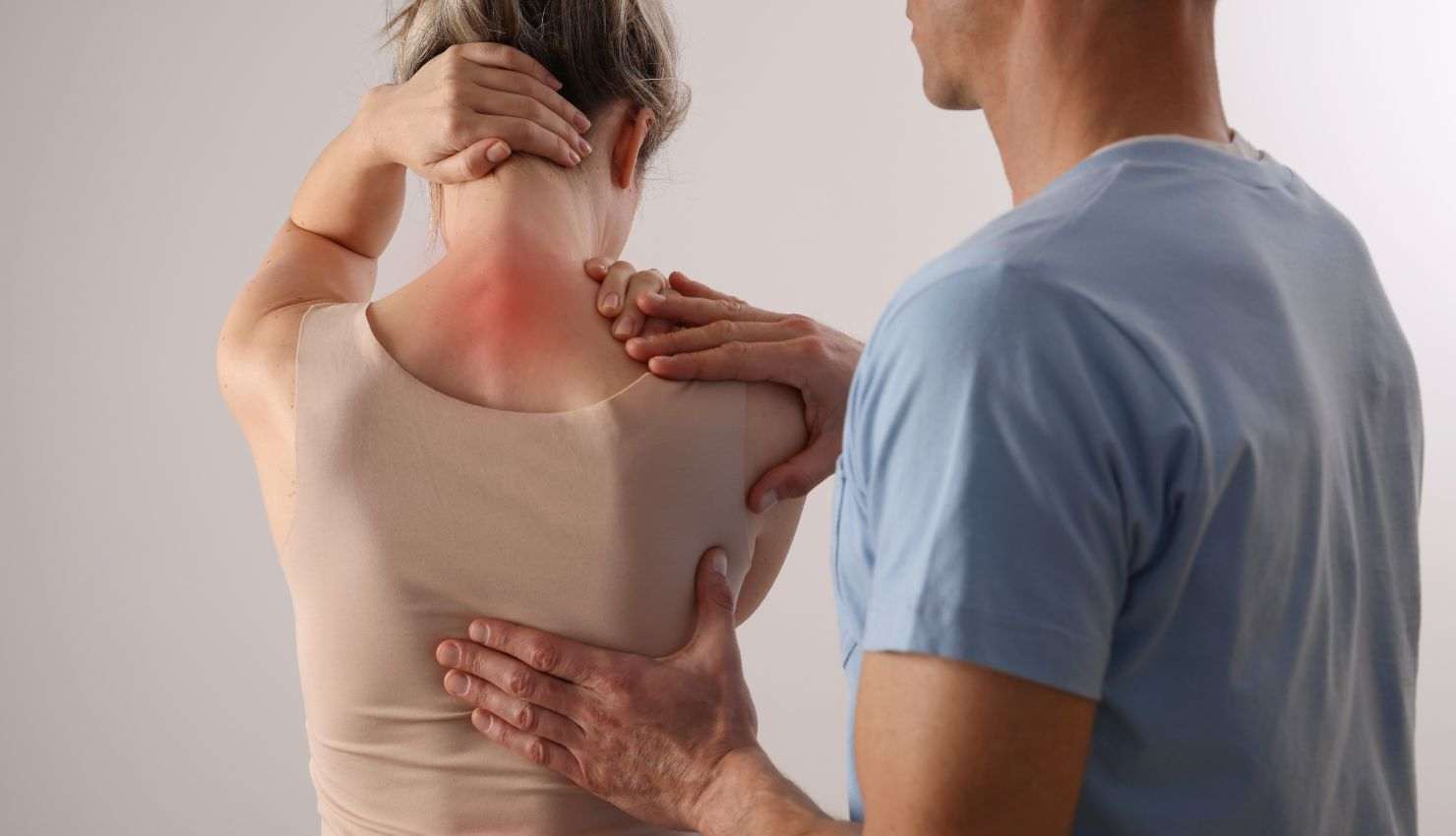
Lower back pain can feel like an obstacle to everythingworking, exercising, even getting a good nights sleep. And while quick fixes like medication or rest might provide short-term relief, they dont solve the problem. At YourFormsUX Canada, we specialize in long-term, sustainable solutions for lower back pain, and at the heart of those solutions is core rehabilitation.
Core rehab is more than just crunches or planksits a targeted program that strengthens the deep stabilizing muscles of your core to provide support, balance, and protection for your spine. When done right, it addresses the root cause of most lower back issues and restores the bodys ability to move with ease and without pain.
Understanding the Link Between Core Weakness and Back Pain
Your spine doesnt work in isolation. Its supported by a network of muscles that wrap around your torsocommonly referred to as the core. This includes:
Transverse abdominis your bodys natural weight belt
Multifidus tiny muscles along the spine that provide segmental stability
Diaphragm and pelvic floor essential for intra-abdominal pressure
Obliques and rectus abdominis assist with rotation and flexion
Glutes and hip stabilizers control movement of the pelvis and lower limbs
When these muscles are weak, imbalanced, or poorly coordinated, the spine takes on more load than it should. Over time, this results in discomfort, stiffness, inflammation, and pain.
Why Core Rehab Is Different from Regular Exercise
Many people think theyre working their core by doing traditional exercises like sit-ups or leg lifts. But in core rehab, the focus shifts to functional, controlled, and purposeful movement. The goal isnt just strengthits stability, alignment, and muscle activation.
Rehab targets deep muscles that are often underused and overlooked, retraining them to support the spine efficiently. It also corrects movement patterns and postures that contribute to chronic pain.
The Core Rehab Process at YFS Canada
Our team at YourFormsUX follows a step-by-step approach thats customized to your condition, pain level, and movement capabilities. Heres what core rehab for lower back pain looks like in practice:
1. Comprehensive Evaluation
Before beginning any exercises, we assess:
Posture and spinal alignment
Core activation and breathing patterns
Flexibility and joint mobility
Muscle imbalances or weaknesses
Pain triggers during movement
This helps us identify the exact nature of your back pain and determine which core muscles are underperforming or compensating.
2. Pain Management and Muscle Release
If your pain is acute, we may begin with physiotherapy techniques such as:
Soft tissue mobilization
Electrical stimulation
Dry needling
Myofascial release
These therapies reduce inflammation and prepare your body for safe movement.
3. Activation of Deep Core Muscles
The foundation of core rehab lies in waking up the muscles closest to the spine. Exercises at this stage include:
Pelvic tilts
Diaphragmatic breathing
Abdominal bracing
Transverse abdominis holds
Youll learn how to engage your core without moving your spinean essential skill before progressing to more dynamic exercises.
4. Progressive Strength and Stability Training
As your pain subsides and your deep core muscles engage properly, we introduce more dynamic and functional exercises:
Dead bug and bird-dog excellent for coordination and spinal stability
Bridges and glute activation drills key for pelvic control
Side planks target lateral stabilizers
Standing balance work promotes core stability during daily activities
Cable or band resistance exercises simulate real-life movement
Each movement is taught with precision. We monitor posture, breathing, and core engagement to ensure safety and effectiveness.
5. Integration with Daily Function
Once your core is strong and active, we focus on applying those skills to daily life. This may involve:
Lifting technique training
Ergonomic coaching for sitting or standing at work
Walking and stair-climbing drills
Flexibility and mobility for hips and hamstrings
By the end of the program, youll have tools you can use outside the clinicensuring long-term back health and pain prevention.
Benefits of Core Rehab for Back Pain
Heres what patients at YFS Canada typically experience with consistent core rehabilitation:
Reduced or eliminated lower back pain
Improved posture and spinal alignment
Greater mobility and flexibility
Increased balance and coordination
More confidence in movement
Lower risk of reinjury or chronic pain recurrence
These benefits are long-lasting because theyre built on retraining your bodys foundational systems.
Is Core Rehab Right for You?
If youre living with:
Ongoing lower back pain
A sedentary job that contributes to poor posture
Recurring injuries during workouts or lifting
A diagnosis like disc herniation, spinal stenosis, or spondylolisthesis
then core rehab may be the missing piece in your recovery plan.
You dont need to wait until the pain becomes debilitating. Early intervention with core rehab not only relieves current discomfort but also prevents future spinal degeneration.
Take the First Step Toward a Stronger Back
At YourFormsUX Canada, we take a collaborative, patient-centered approach to core rehabilitation. Well guide you through each stepstarting from pain relief and progressing toward lasting spinal stability and functional movement.
Our clinicians are here to help you regain strength, improve posture, and get back to the things you lovewith a core that supports you every step of the way.
Dont let lower back pain dictate your life. Take control with a personalized core rehab plan and rediscover what pain-free movement feels like.