Core Rehab for Managing Spinal Tension and Pain explores targeted strategies for recovery. Discover new paths to mobility, healing, and personalized care.

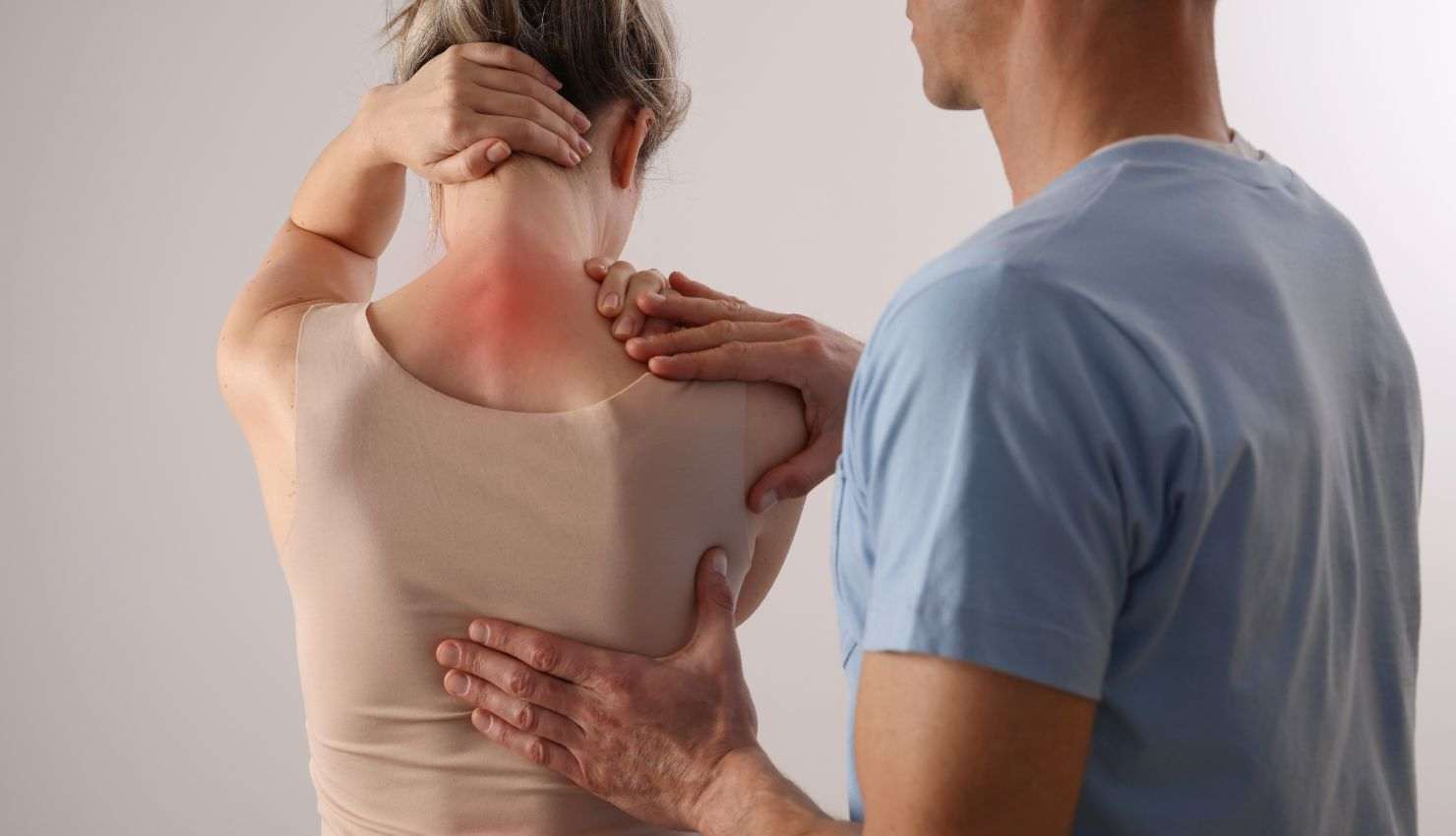
Spinal tension and pain can disrupt your daily life, affecting everything from your ability to sit comfortably to your overall mobility. One of the most effective ways to manage and relieve this discomfort is through core rehabilitation a physiotherapy approach designed to strengthen the muscles that support and stabilize your spine.
In this blog, well discuss how core rehab works to reduce spinal tension, alleviate pain, and promote long-term spine health.
What Causes Spinal Tension and Pain?
Spinal tension often results from muscle imbalances, poor posture, repetitive strain, or injury. When certain muscles become overactive or tight, they pull unevenly on the spine, causing discomfort and restricted movement. Weak core muscles can worsen this tension because they fail to provide adequate support.
Over time, unresolved spinal tension can lead to chronic pain, muscle fatigue, and even nerve irritation.
The Role of Core Muscles in Spinal Health
Your core muscles include the deep stabilizers around your abdomen, lower back, pelvis, and hips. These muscles act as a natural brace, supporting your spine and maintaining proper alignment. When these muscles are strong and balanced, they help reduce stress on spinal joints and prevent excessive tension.
Core rehabilitation targets these muscles to restore strength, coordination, and endurance essential factors in managing spinal tension.
How Physiotherapy Core Rehab Works
A physiotherapist will begin with a thorough evaluation to identify muscle imbalances, posture issues, and movement dysfunctions contributing to your spinal tension. Based on this assessment, a customized core rehab program is developed.
Key components include:
Strengthening Exercises: Focused on deep core muscles like the transverse abdominis and multifidus, these exercises improve spinal stability.
Stretching Tight Muscles: Releasing tension in overactive muscles helps restore balance.
Postural Training: Teaching proper alignment during daily activities to prevent further strain.
Breathing Techniques: Enhancing diaphragmatic breathing supports core engagement and relaxation.
Functional Movement Practice: Applying core stability to everyday tasks and exercise.
Benefits of Core Rehabilitation for Spinal Tension and Pain
Pain Relief: Strengthening and balancing muscles reduces abnormal spinal loading and discomfort.
Improved Posture: Correct alignment eases tension on muscles and joints.
Enhanced Movement: Greater spinal stability allows for smoother, pain-free motion.
Injury Prevention: A strong core protects against strains and recurrent pain.
Better Quality of Life: Reduced pain and improved function lead to increased activity and well-being.
Why Choose Physiotherapy for Core Rehab in Canada?
Canada offers expert physiotherapy services that focus on individualized care. At YourFormsUX, core rehabilitation is tailored to your specific needs, combining the latest evidence-based techniques with compassionate guidance.
Whether youre recovering from an injury or managing chronic pain, physiotherapy can help you regain control over your spinal health.
Final Thoughts
Spinal tension and pain dont have to control your life. Core rehabilitation through physiotherapy provides an effective way to manage discomfort, strengthen supporting muscles, and improve posture all critical steps toward lasting relief.
Reach out to YourFormsUX in Canada to learn how core rehab can help you reduce spinal tension, alleviate pain, and restore mobility for a healthier spine.