Core Rehabilitation explores targeted strategies for recovery. Discover new paths to mobility, healing, and personalized care.

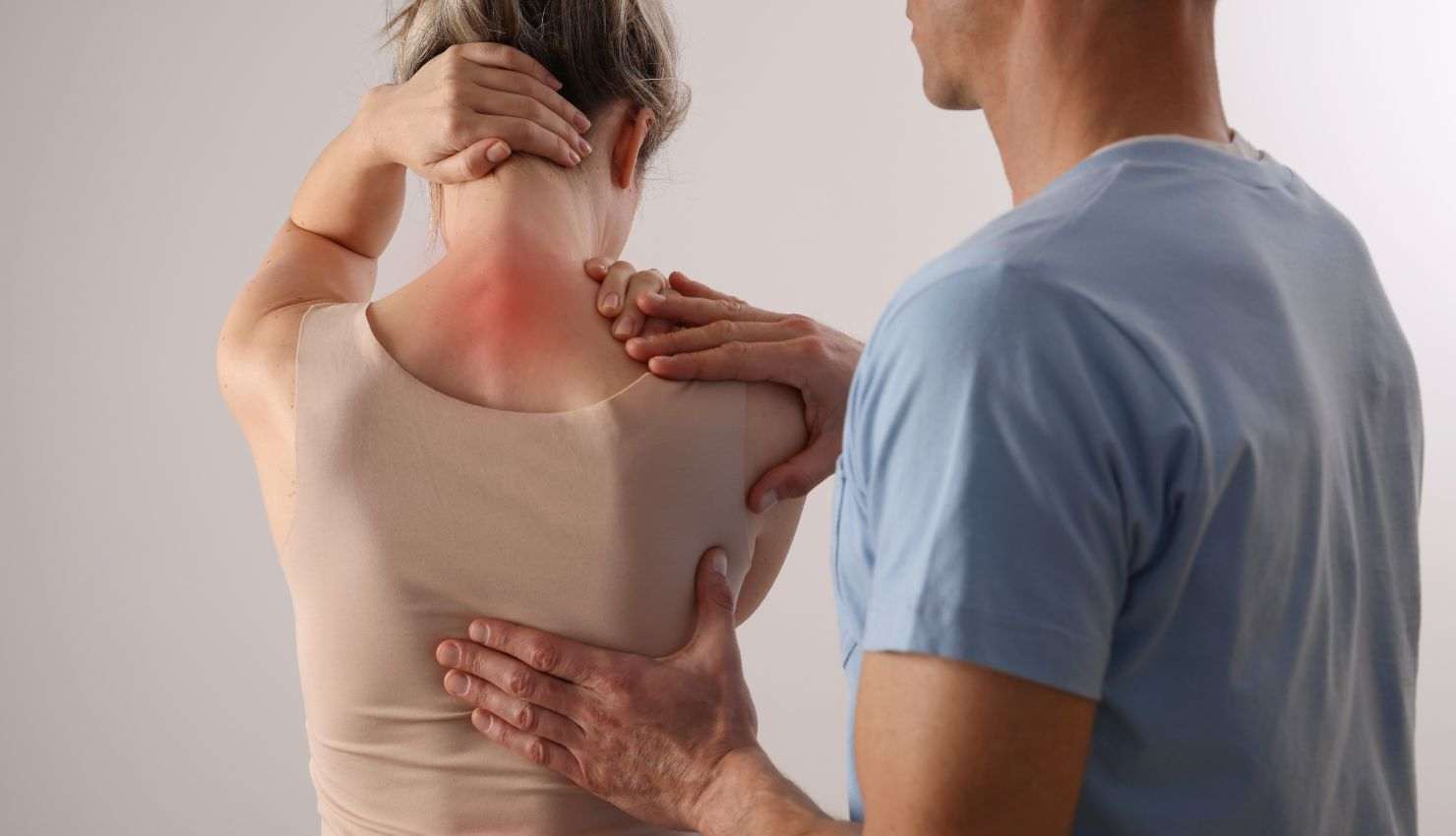
When it comes to maintaining a healthy spine, core rehabilitation through physiotherapy is one of the most effective approaches available. At YourFormsUX.com, we understand how crucial a strong, stable core is for spinal healthespecially when recovering from injury, managing chronic pain, or simply aiming to improve overall function.
In this blog, well dive into how physiotherapy-led core rehabilitation supports spinal health, helps reduce pain, and enhances mobility for Canadians of all ages.
What Is Core Rehabilitation?
Core rehabilitation is a specialized form of therapy that focuses on strengthening and retraining the muscles that support your spine and pelvis. These core muscles include the deep abdominals, pelvic floor, diaphragm, and back muscles that work together to stabilize the spine during movement.
Physiotherapy uses tailored exercises and manual techniques to restore proper muscle function, improve coordination, and reduce compensatory patterns that can lead to pain or injury.
Why Core Rehabilitation Matters for Spinal Health
The spine relies on a well-functioning core for stability and protection. When core muscles are weak or uncoordinated, the spine becomes vulnerable to abnormal movements, increased mechanical stress, and potential injury.
Core rehabilitation addresses these issues by:
Enhancing muscle strength and endurance around the spine
Improving neuromuscular control to support smooth, safe movements
Reducing muscle imbalances that contribute to pain and dysfunction
Promoting better posture and spinal alignment
How Physiotherapy Guides Core Rehabilitation
Physiotherapists assess your spinal condition and core muscle function to design a personalized rehabilitation program. This may include:
Muscle Activation Training: Teaching you how to engage deep core muscles correctly, such as the transverse abdominis, which is often underused in people with back pain.
Strengthening Exercises: Gradually progressing exercises that build core stability without exacerbating pain.
Manual Therapy: Hands-on techniques to release tight muscles and improve joint mobility, facilitating more effective exercise performance.
Movement Retraining: Coaching you on proper movement patterns and posture to protect your spine during daily activities.
Common Core Rehabilitation Exercises in Physiotherapy
Here are some examples of exercises commonly used in core rehabilitation:
Abdominal Drawing-In Maneuver: A gentle contraction of the deep abdominal muscles, often the starting point for core rehab.
Bridges: Strengthening gluteal and lower back muscles that support the spine.
Bird-Dog: Encourages balance and core stability by extending opposite arm and leg.
Pelvic Tilts: Helps improve lumbar spine mobility and core activation.
Modified Planks: Builds endurance in core muscles while minimizing strain.
Each exercise is tailored to your abilities and gradually advanced to restore strength and function safely.
Benefits of Core Rehabilitation for Spinal Health
Reduced Pain: Strengthening the core stabilizes the spine, decreasing pressure on discs and joints.
Improved Function: Better muscle control enhances your ability to perform everyday tasks comfortably.
Enhanced Mobility: Increased flexibility and core strength lead to smoother movement.
Injury Prevention: A stable core protects against falls and sudden strains.
Long-Term Health: Core rehabilitation supports lasting spinal health and quality of life.
YourFormsUX.coms Role in Supporting Core Rehabilitation
At YourFormsUX.com, we provide valuable resources and guidance for Canadians seeking to improve their spinal health through core rehabilitation. Our expert-backed content helps you understand the benefits of physiotherapy and encourages safe, effective exercises to complement professional care.
Tips for Maximizing Your Core Rehabilitation Success
Follow your physiotherapists instructions carefully.
Practice exercises consistently, even on days without appointments.
Maintain good posture throughout the day.
Avoid activities that aggravate your pain during recovery.
Communicate openly with your physiotherapist about your progress and challenges.
Final Thoughts
Core rehabilitation through physiotherapy is a powerful tool to support spinal health, reduce pain, and restore function. By focusing on strengthening and coordinating the core muscles, physiotherapy helps you build a resilient spine capable of handling daily demands and reducing injury risk.
If youre experiencing back pain or want to proactively care for your spine, consider core rehabilitation with physiotherapy as a cornerstone of your plan. YourFormsUX.com is here to provide expert advice and resources to guide you toward a stronger, healthier back.