Choose Ergonomic Furniture Chair

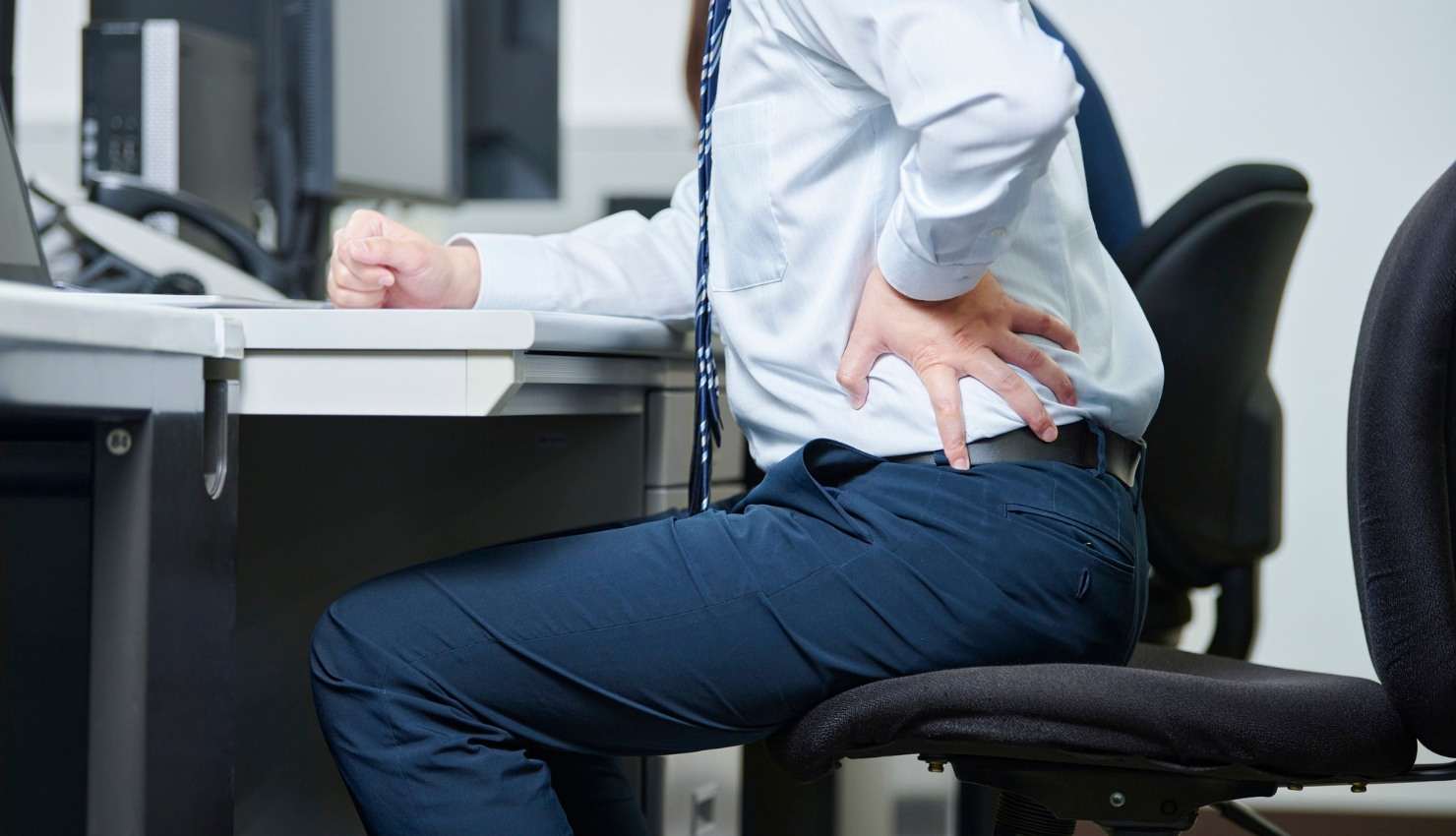
Choose Ergonomic Furniture
Chair
Opt for a chair with lumbar support.
Adjust height so your feet are flat and knees are at hip level or slightly below.
Use a pillow or rolled towel if lumbar support is missing.
Desk
The height should allow arms to rest at a 90100° angle.
Avoid surfaces that force you to hunch or reach up/down for long periods.
?? 2. Position Your Screen for Neck & Eye Health
Top of screen should be at or slightly below eye level.
Distance: About arms length away.
Align the screen directly in front of you, not off to the side.
If using a laptop, use a laptop stand + external keyboard and mouse.
?? Tip: Prevent forward head posture (text neck) by keeping your chin level with the ground.
?? 3. Align Keyboard & Mouse
Keyboard should be at elbow level, with wrists flat, not bent.
Keep mouse close to the keyboard to avoid overreaching.
Consider using a wrist rest to maintain a neutral wrist position.
?? 4. Optimize Foot and Leg Support
Feet should rest flat on the floor or a footrest.
Avoid sitting with legs crossed this can twist your spine and pelvis.
Ensure enough clearance under your desk for movement.
?? 5. Sit, Stand, and Move Regularly
Alternate between sitting and standing if using a sit-stand desk.
Take short movement breaks every 3060 minutes.
Practice micro-movements: shoulder rolls, ankle pumps, seated marches.
? Try: The 20-8-2 Rule: Sit for 20 minutes, stand for 8, move for 2.
?? 6. Stretch & Strengthen Daily
To counteract long hours at the desk:
Do thoracic extensions, hip flexor stretches, and hamstring stretches.
Include core strengthening exercises like planks or bridges to support your spine.
?? 7. Pay Attention to Lighting & Environment
Use natural light when possible, or position a desk lamp to reduce eye strain.
Avoid screen glare by using blinds or an anti-glare filter.
Keep your workspace clutter-free to reduce mental stress and encourage proper movement.
? Bonus: Ergonomic Add-ons
Monitor risers to raise screen height.
Standing mats for support if using a standing desk.
Blue light filters for screens to reduce eye strain.
?? Final Tip from a Physiotherapy Perspective:
Your workspace should fit you, not the other way around. If you’re adjusting your body to suit your desk, it’s time to rethink your setup.