Custom Orthotics for Seniors explores targeted strategies for recovery. Discover new paths to mobility, healing, and personalized care.

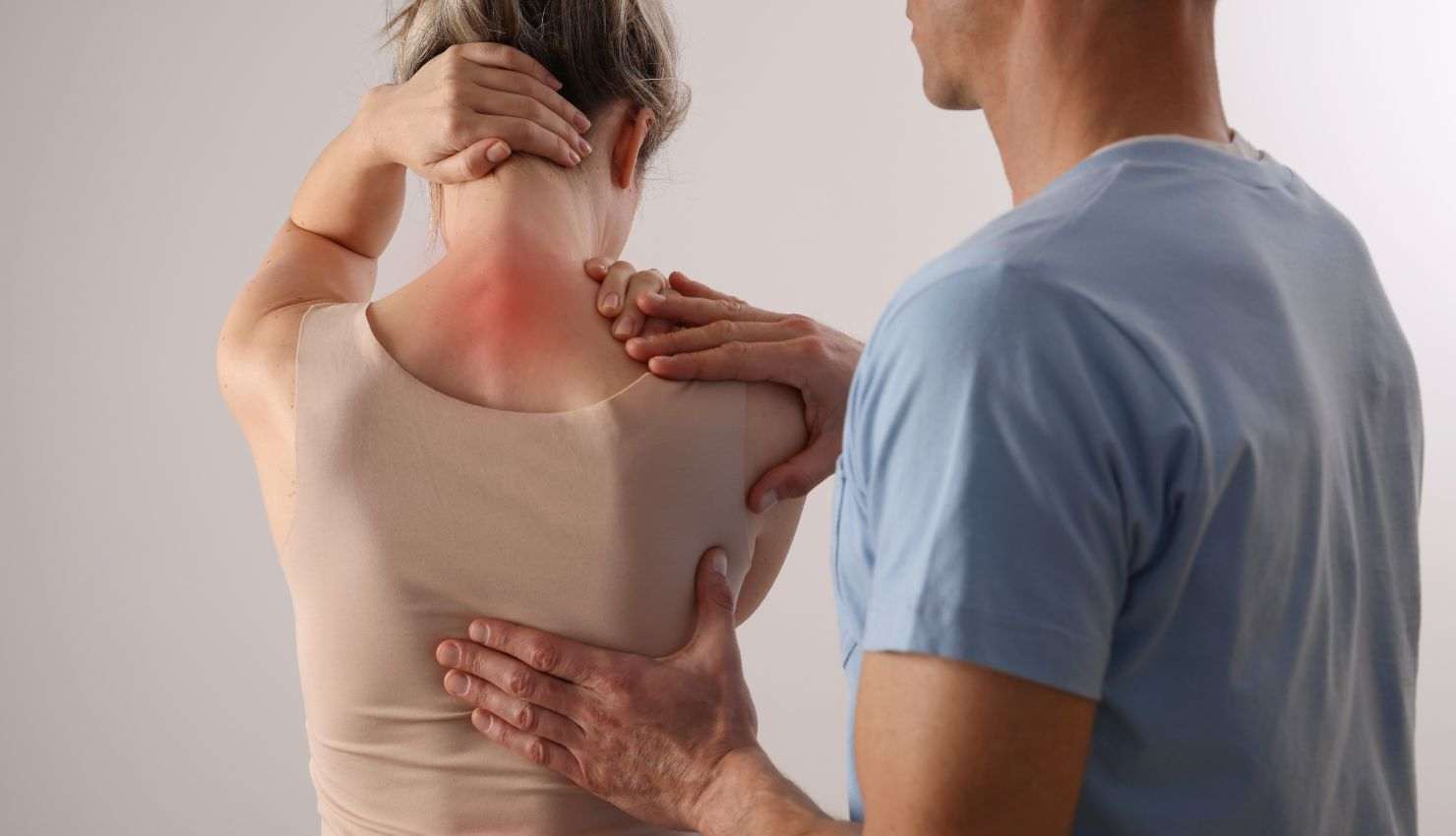
Postural imbalances can lead to chronic pain, decreased mobility, and increased risk of injury. Often, these imbalances originate from subtle issues in the way we moveour gait. Gait analysis is a powerful tool used by healthcare professionals to identify and address these imbalances, offering a pathway to improved posture, reduced pain, and better overall function. This blog explores how gait analysis helps diagnose and treat postural imbalances effectively.
What Are Postural Imbalances?
Postural imbalances refer to uneven alignment or muscle imbalances in the body that affect how we stand, walk, and move. Common examples include uneven shoulders, tilted hips, or excessive forward head posture. These imbalances can develop due to injury, habitual poor posture, muscle weakness, or structural issues in the feet and legs.
Left uncorrected, postural imbalances may cause pain in the neck, back, hips, knees, or feet, and contribute to conditions like scoliosis or degenerative joint disease.
The Role of Gait in Posture
Gait is the foundation of many postural patterns because it reflects how the body moves dynamically. A flawed gait pattern often reveals or contributes to postural problems. For example:
Overpronation of the feet can cause the knees to rotate inward, leading to hip misalignment.
Unequal stride length may indicate muscle weakness or leg length discrepancy, affecting pelvic balance.
Poor foot placement can affect spinal alignment and upper body posture.
Analyzing gait provides insight into these hidden causes of postural imbalance.
How Gait Analysis Diagnoses Postural Issues
During gait analysis, movement specialists use advanced tools like pressure sensors, 3D motion capture, and video to observe and measure:
Joint angles at the ankle, knee, hip, and pelvis during walking.
Pressure distribution and foot strike patterns.
Timing and symmetry between left and right limbs.
Muscle activation patterns.
This comprehensive evaluation detects abnormal movements and compensations linked to postural misalignments.
Using Gait Analysis to Guide Treatment
Once gait abnormalities are identified, targeted interventions can be designed to correct postural imbalances:
Custom Orthotics: These realign the feet, controlling excessive pronation or supination to improve lower limb and pelvic alignment.
Physiotherapy: Exercises focus on strengthening weak muscles and stretching tight ones to restore muscular balance.
Postural Training: Patients learn to adopt healthier postural habits during standing and movement.
Ergonomic Adjustments: Modifications in work or daily environments support better posture.
Regular Monitoring: Repeat gait assessments track progress and guide ongoing care.
This multifaceted approach addresses both the cause and symptoms of postural imbalance.
Benefits of Correcting Postural Imbalances Through Gait Analysis
Reduced Pain: Alleviating abnormal stresses on joints and muscles eases chronic pain.
Improved Mobility: Better alignment enhances range of motion and functional movement.
Injury Prevention: Balanced posture reduces risk of falls, strains, and overuse injuries.
Enhanced Athletic Performance: Proper biomechanics optimize efficiency and power.
Long-Term Health: Prevents development of degenerative conditions related to poor posture.
When to Seek Gait Analysis for Postural Problems
If you experience persistent neck, back, or joint pain; uneven wear on shoes; or difficulty maintaining balance, a gait assessment can be a key diagnostic step. Early intervention leads to more effective correction and lasting relief.
Achieving Balanced Posture with Gait Analysis
Postural imbalances often stem from unseen gait abnormalities that disrupt the bodys natural alignment. Through detailed gait analysis, healthcare providers can uncover these hidden issues and prescribe personalized treatments like custom orthotics and targeted therapy. This comprehensive strategy not only relieves pain but also restores balance, stability, and quality of life.