Custom Physiotherapy for Athletes with Shoulder Injuries explores targeted strategies for recovery. Discover new paths to mobility, healing, and personalized care.

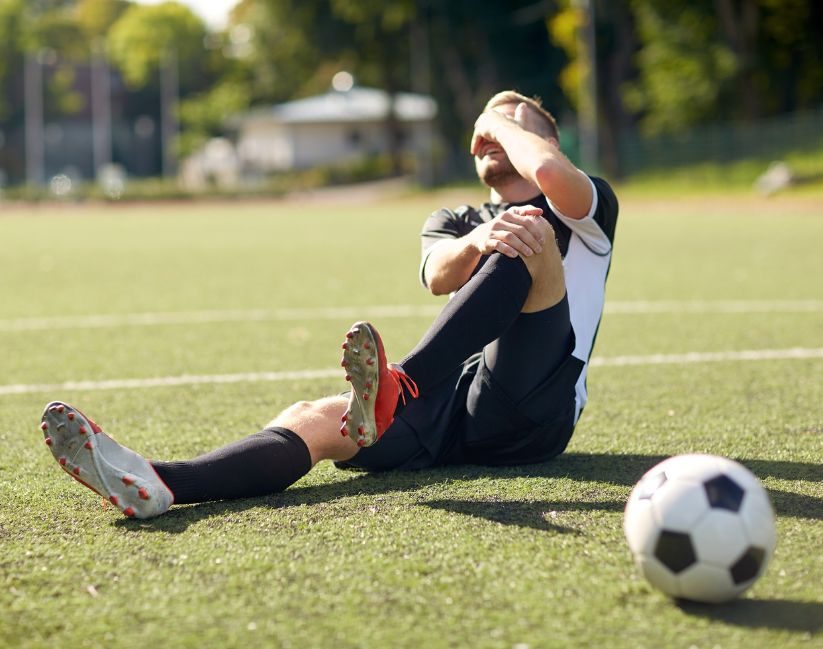
Recovering from surgery is a critical period for any athlete, filled with challenges and opportunities alike. The path back to full function and peak performance requires more than just restit demands carefully structured recovery programs designed to meet the unique needs of the athlete and their sport. This is where sports-specific recovery programs come in, providing tailored rehabilitation strategies that accelerate healing, prevent setbacks, and restore athletic ability efficiently.
In this blog, well dive into why sports-specific recovery programs are essential for post-surgery athletes, what they involve, and how they help athletes regain strength, mobility, and confidence on their journey back to competition.
Why Post-Surgery Recovery Needs to Be Sport-Specific
Every sport places different demands on the body. A soccer players recovery from knee surgery will look very different from a swimmers rehab after shoulder surgery. Generalized rehabilitation programs, while helpful for restoring basic function, often fall short in preparing athletes for the dynamic, sport-specific movements and stresses they will encounter once they return to play.
Sports-specific recovery programs tailor the rehabilitation process to address the specific movements, muscle groups, and performance goals relevant to the athletes discipline. This targeted approach leads to better outcomes in terms of functional recovery, injury prevention, and performance restoration.
Key Elements of Sports-Specific Recovery Programs
Comprehensive Assessment
Recovery begins with a thorough assessment by a physiotherapist trained in sports rehabilitation. This evaluation considers the nature of the surgery, the athletes baseline fitness, sport demands, and recovery goals. It includes tests for strength, flexibility, range of motion, and functional movement patterns.
Individualized Rehabilitation Plan
Based on the assessment, therapists design a recovery plan that prioritizes healing while progressively reintroducing sport-specific activities. This plan balances protection of surgical repairs with the gradual restoration of function.
Progressive Load Management
Proper load management is essential to avoid re-injury or complications. Recovery programs carefully control the intensity, duration, and frequency of exercises, gradually increasing load as healing progresses.
Sport-Specific Conditioning
As healing allows, the program integrates conditioning exercises that mimic the demands of the sportsuch as sprint drills for track athletes or rotational movements for golfers. This prepares the athletes body for the specific stresses of their sport.
Neuromuscular Training
Post-surgery athletes often experience altered movement patterns or proprioception. Neuromuscular training helps restore coordination, balance, and body awareness, reducing the risk of compensatory injuries.
Psychological Support
Surgery and rehabilitation can be mentally taxing. Sports-specific recovery programs may incorporate psychological strategies to build confidence and address fears related to re-injury.
How Sports-Specific Recovery Programs Help Different Types of Athletes
For Runners: Programs focus on restoring hip, knee, and ankle strength and stability. Gait retraining may be used to correct compensations developed post-surgery.
For Swimmers: Recovery targets shoulder mobility, rotator cuff strength, and core stability, with an emphasis on fluid, controlled movements.
For Contact Sports Athletes: Programs prioritize joint stability, reactive agility, and impact tolerance to prepare for the physicality of their sport.
For Golfers: Emphasis is placed on rotational strength, spinal mobility, and precision in movement patterns.
The Role of Physiotherapists in Guiding Recovery
Physiotherapists specializing in sports rehabilitation play a vital role in guiding athletes through recovery. Their expertise ensures that rehabilitation exercises are performed correctly, adjustments are made based on progress, and return-to-play decisions are evidence-based and safe.
They also provide education on injury prevention strategies, proper biomechanics, and self-care techniques to empower athletes in managing their recovery.
Benefits of Sports-Specific Recovery Programs
Faster Recovery: Tailored exercises target the exact areas that need strengthening and mobility, accelerating healing.
Reduced Risk of Re-Injury: By addressing sport-specific movement patterns, these programs prevent the common pitfalls that lead to repeat injuries.
Improved Performance: Conditioning focused on sport demands helps athletes return to or even surpass their pre-surgery performance levels.
Enhanced Confidence: Knowing the recovery plan is designed specifically for their sport boosts mental readiness and reduces anxiety.
Practical Tips for Athletes Undergoing Post-Surgery Recovery
Stay Committed: Adhering to the recovery program and attending all therapy sessions is critical for success.
Communicate Openly: Keep your physiotherapist informed about any pain, discomfort, or concerns.
Be Patient: Recovery timelines vary, and rushing the process can lead to setbacks.
Maintain a Healthy Lifestyle: Proper nutrition, hydration, and sleep support healing.
Focus on Mental Health: Utilize relaxation techniques, visualization, or counseling if needed.
Why Choose Your Forms UX Canada for Sports-Specific Recovery
At Your Forms UX Canada, we specialize in designing comprehensive, individualized sports-specific recovery programs for post-surgery athletes. Our team understands the physical and psychological demands of surgical recovery and offers expert guidance to help you return to your sport safely and confidently.
We combine the latest physiotherapy techniques with personalized care plans, ensuring every step of your recovery supports your athletic goals.
Final Thoughts
Surgery is a significant hurdle, but with the right recovery program, it doesnt have to be a career-ending event. Sports-specific recovery programs bridge the gap between healing and high-level performance, providing athletes with the tools and support they need to return stronger, safer, and more prepared than ever.
Investing in a sport-tailored recovery plan after surgery is one of the best decisions an athlete can make to protect their future in sport.