Cycle-Syncing for Better Performance explores targeted strategies for recovery. Discover new paths to mobility, healing, and personalized care.

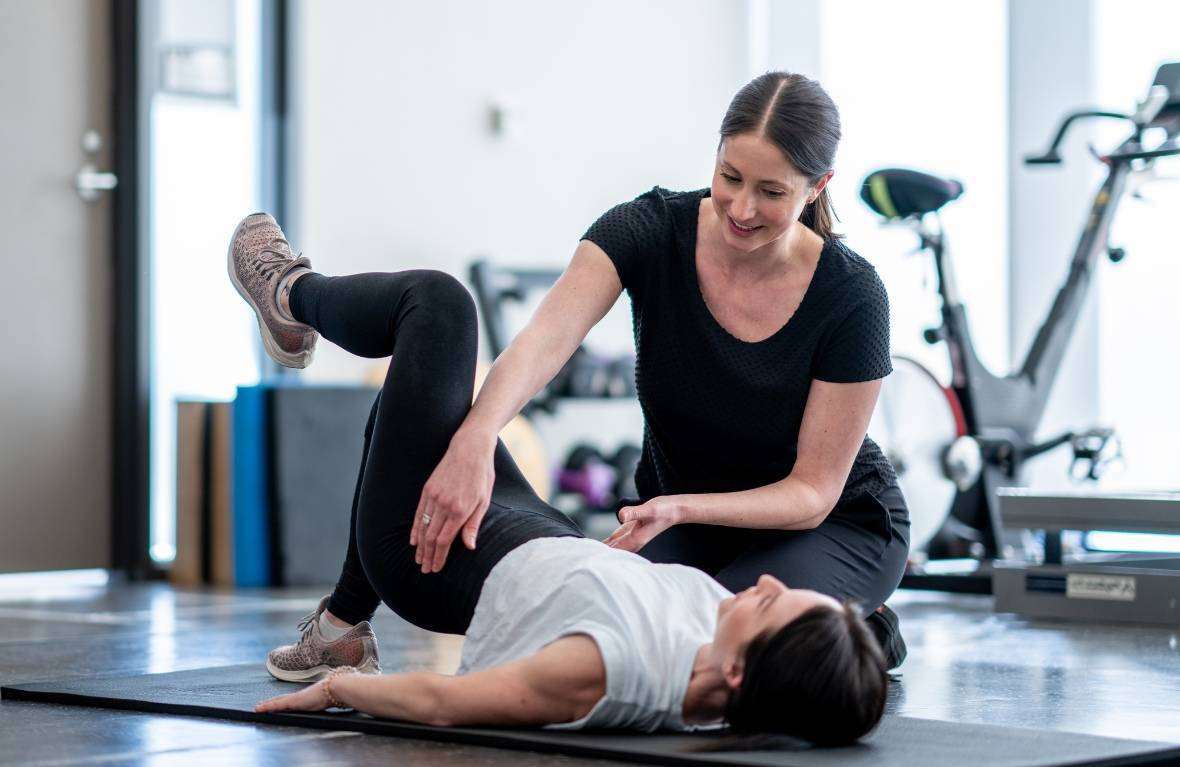
Womens bodies are incredibly dynamic, with hormonal fluctuations throughout the menstrual cycle influencing energy, strength, and recovery. Understanding these changes and adapting your training accordinglyknown as cycle-syncingcan unlock better athletic performance, reduce injury risk, and improve overall well-being.
Physiotherapy plays a vital role in guiding women through cycle-syncing with personalized strategies that optimize movement, prevent injuries, and support hormonal health. At Your Forms UX (YFS), were passionate about empowering women to listen to their bodies and harness their natural rhythms for peak performance.
What Is Cycle-Syncing?
Cycle-syncing involves aligning your workouts, nutrition, and recovery practices with the four phases of your menstrual cycle:
Menstrual Phase: Rest and recovery
Follicular Phase: Building strength and endurance
Ovulation: Peak power and performance
Luteal Phase: Focus on stability and moderate intensity
Each phase presents unique hormonal landscapes that influence your bodys response to training.
Physiotherapy Insights on Cycle-Synced Training
Menstrual Phase: Prioritize Rest and Recovery
During menstruation, progesterone and estrogen levels are low, and fatigue or cramps may occur. Physiotherapists recommend low-impact activities such as gentle stretching, yoga, or walking to aid circulation and reduce discomfort.
Follicular Phase: Build Strength and Endurance
As estrogen rises, your bodys capacity for muscle repair and energy utilization improves. This phase is ideal for physiotherapy-guided strength training, resistance exercises, and cardiovascular workouts tailored to your fitness level.
Ovulation: Leverage Peak Power
Around ovulation, estrogen peaks, enhancing muscle strength, reaction time, and pain tolerance. Physiotherapy can help you safely push your limits with high-intensity interval training (HIIT), plyometrics, and explosive movements while ensuring proper form to prevent injury.
Luteal Phase: Focus on Stability and Stress Reduction
Progesterone dominance can increase joint laxity and fatigue. Physiotherapists advise incorporating balance exercises, core stability work, and moderate aerobic activities. Mind-body techniques like Pilates or controlled breathing also support hormonal balance.
How Physiotherapy Supports Cycle-Synced Performance
Injury Prevention: Tailoring exercises to hormonal phases reduces ligament and muscle injury risk.
Movement Optimization: Physiotherapy assesses and corrects movement patterns that may change with hormonal fluctuations.
Recovery Strategies: Personalized recovery plans incorporating manual therapy and relaxation techniques enhance adaptation.
Education and Empowerment: Physiotherapists educate women on how hormones affect their bodies, helping them make informed choices.
Additional Tips for Successful Cycle-Syncing
Track your cycle and symptoms using apps or journals.
Adjust your workout intensity based on how you feel each day.
Prioritize sleep and nutrition to support hormonal health.
Consult a physiotherapist for tailored exercise and recovery guidance.
The YFS Commitment
Your Forms UX offers specialized physiotherapy services designed to integrate cycle-syncing principles into your fitness routine. We provide expert support to optimize your performance while honoring your bodys natural rhythms.
Final Thoughts
Cycle-syncing is more than a trendits a smart, science-backed approach to womens fitness. By syncing your workouts with your menstrual cycle and partnering with physiotherapy experts, you can enhance performance, reduce injury, and improve hormonal health.
Ready to take your training to the next level with cycle-syncing? Contact Your Forms UX and start your personalized physiotherapy journey today.