Alignment isn’t just about postureits about how your entire musculoskeletal system works together in harmony. But modern life, filled with…

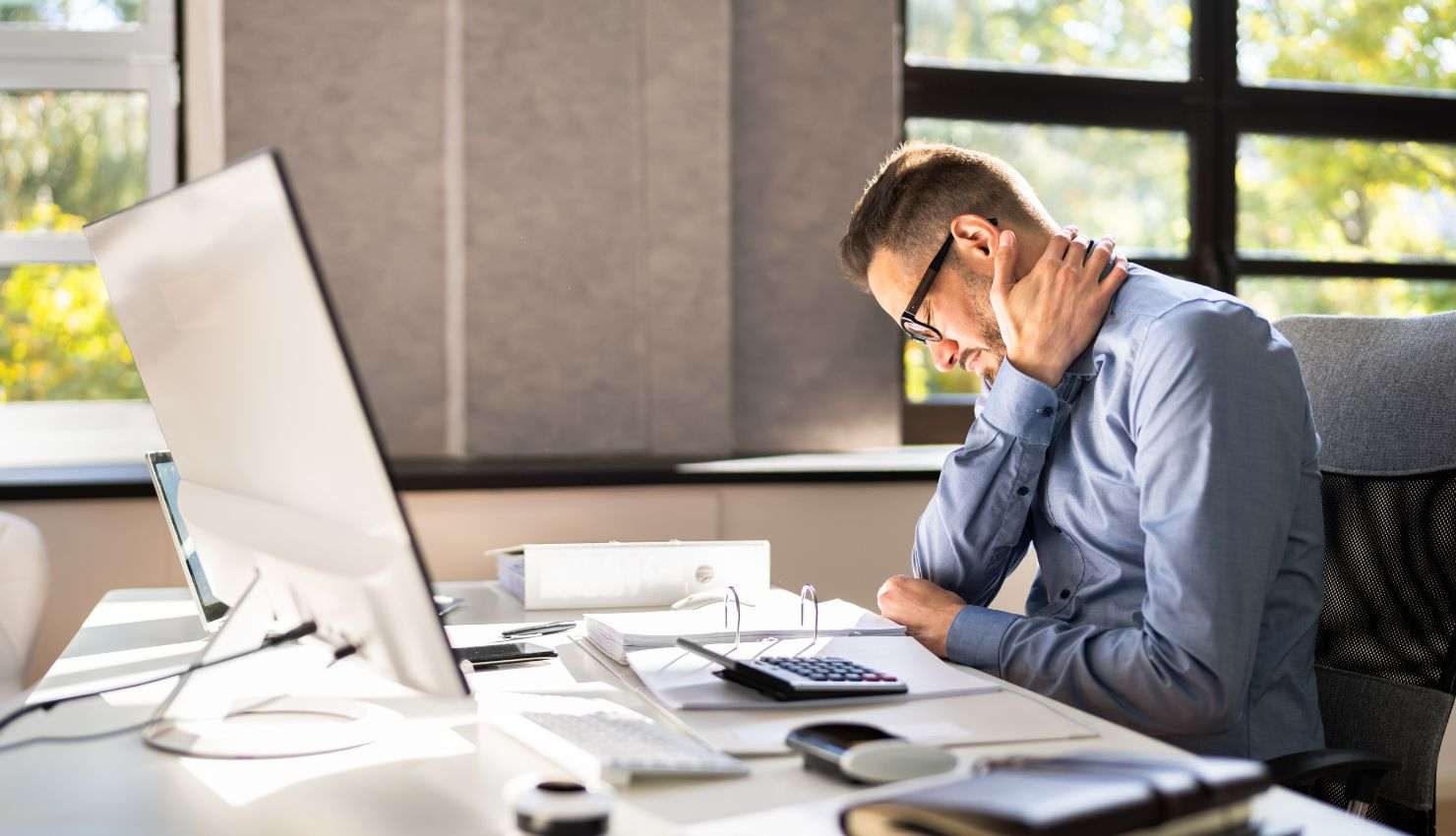
Alignment isn’t just about postureits about how your entire musculoskeletal system works together in harmony. But modern life, filled with sitting, repetitive movement, and stress, often leads to tightness, restricted mobility, and postural imbalance. Over time, these issues can contribute to pain, fatigue, and even pelvic floor dysfunction. One of the most powerful tools to counteract this? Daily self-massage.
At YourFormSux, we teach Canadian women how to use daily self-massage as part of their alignment and physiotherapy routine. Its not just about relaxationits about releasing tension, rebalancing the body, and helping muscles return to their natural resting length so the joints can align properly. The result? Less pain, better posture, and deeper body awareness.
Why Self-Massage Supports Alignment
When a muscle becomes tight or overworked, it can pull the body out of alignment. For example:
Tight hip flexors tilt the pelvis forward
Knotted upper traps elevate the shoulders
Stiff calves change ankle mechanics
Tense jaw or chest muscles affect head and neck posture
Daily self-massage helps:
Release muscle tension and fascial restriction
Improve circulation to aid in tissue recovery
Restore balance between overactive and underused muscles
Enhance range of motion and movement quality
Support nervous system regulationespecially when paired with breathing
Its an easy, cost-effective practice that empowers you to take control of your alignment and discomfort between physiotherapy sessions.
Tools You Can Use
You dont need professional equipment to startjust a few simple tools:
Massage ball or tennis ball for targeted pressure
Foam roller for broad muscle release
Small peanut roller or yoga tune-up balls for spine and feet
Massage stick or rolling pin for thighs and calves
Your own hands for neck, jaw, and chest tension
Daily Self-Massage Routine for Full-Body Alignment
You can complete this full-body sequence in 1015 minutes a day or focus on targeted areas as needed.
1. Feet and Calves (12 minutes per side)
Why it matters:
Tight feet and calves can affect how your pelvis and spine stack by changing your walking mechanics.
How to do it:
Roll a massage ball under the arch of your foot while seated or standing. Apply slow, steady pressure.
Use a foam roller or massage stick on your calves, moving slowly from ankle to knee. Pause and breathe on tight spots.
2. Quads and Hip Flexors (2 minutes per side)
Why it matters:
Tight front hip muscles can cause anterior pelvic tilt and core disengagement.
How to do it:
Lie face down with a foam roller or ball under your quads. Slowly roll from hip to knee.
Angle slightly outward to target the tensor fasciae latae (TFL) and front of the hip.
For deeper relief, pause on a tender point and breathe deeply.
3. Glutes and Piriformis (12 minutes per side)
Why it matters:
Tight or weak glutes affect pelvic stability and lower back alignment.
How to do it:
Sit on a massage ball placed under one buttock, ankle crossed over opposite knee.
Lean slightly into the ball and roll gently.
Target the glute medius and piriformistwo muscles that often carry asymmetrical tension.
4. Thoracic Spine (2 minutes total)
Why it matters:
A stiff mid-back leads to rounded shoulders, forward head posture, and limited core expansion.
How to do it:
Lie on your back with a foam roller under your upper back.
Support your head with your hands and gently extend over the roller.
Roll slowly up and down the upper spinedo not go into the lower back.
Add gentle side-to-side wiggles for more release.
5. Chest and Shoulders (1 minute per side)
Why it matters:
Tight chest muscles pull the shoulders forward, disrupting shoulder mechanics and core coordination.
How to do it:
Stand at a wall or corner. Place a massage ball between your chest and the wall, just under your collarbone.
Apply light pressure and slowly roll the ball in small circles.
Follow up with shoulder rolls and a few deep breaths to reset posture.
6. Neck and Jaw (12 minutes)
Why it matters:
Neck and jaw tension often result from stress and poor posture, leading to headaches and cervical misalignment.
How to do it:
Use your fingers to gently massage the base of the skull, jaw muscles (especially near the ears), and upper traps.
Use circular motions and slow pressure.
Combine with slow, diaphragmatic breathing to release deeper tension.
Breathing Integration: The Secret to Lasting Relief
While performing any of the above techniques, pair them with slow, intentional breaths:
Inhale through your nose, expanding the ribcage and abdomen
Exhale through pursed lips, softening tension in the area youre massaging
On each exhale, imagine the tissue relaxing or “melting” under the pressure
Breath and self-massage together regulate your nervous system and help your body shift from tension to easecrucial for resetting alignment.
When to Use Self-Massage
First thing in the morning to reduce stiffness and set your posture for the day
Midday reset during long work sessions to ease tension
Post-workout to aid muscle recovery and correct imbalances
Before bed to calm the body and release the days stress
Even 510 minutes a day can create noticeable improvement in how you feel, move, and stand.
Final Thoughts
Daily self-massage isnt a luxuryits a practical tool for postural maintenance, stress reduction, and full-body alignment. By releasing chronic tension and restoring mobility, you allow your muscles and joints to find their optimal resting position.
At YourFormSux, we support Canadian women in using self-massage as a bridge between physiotherapy sessions and real-life demands. Your body is capable of healing and alignmentbut only if you consistently give it the care it needs.