Dealing with Sore Muscles After Dance explores targeted strategies for recovery. Discover new paths to mobility, healing, and personalized care.

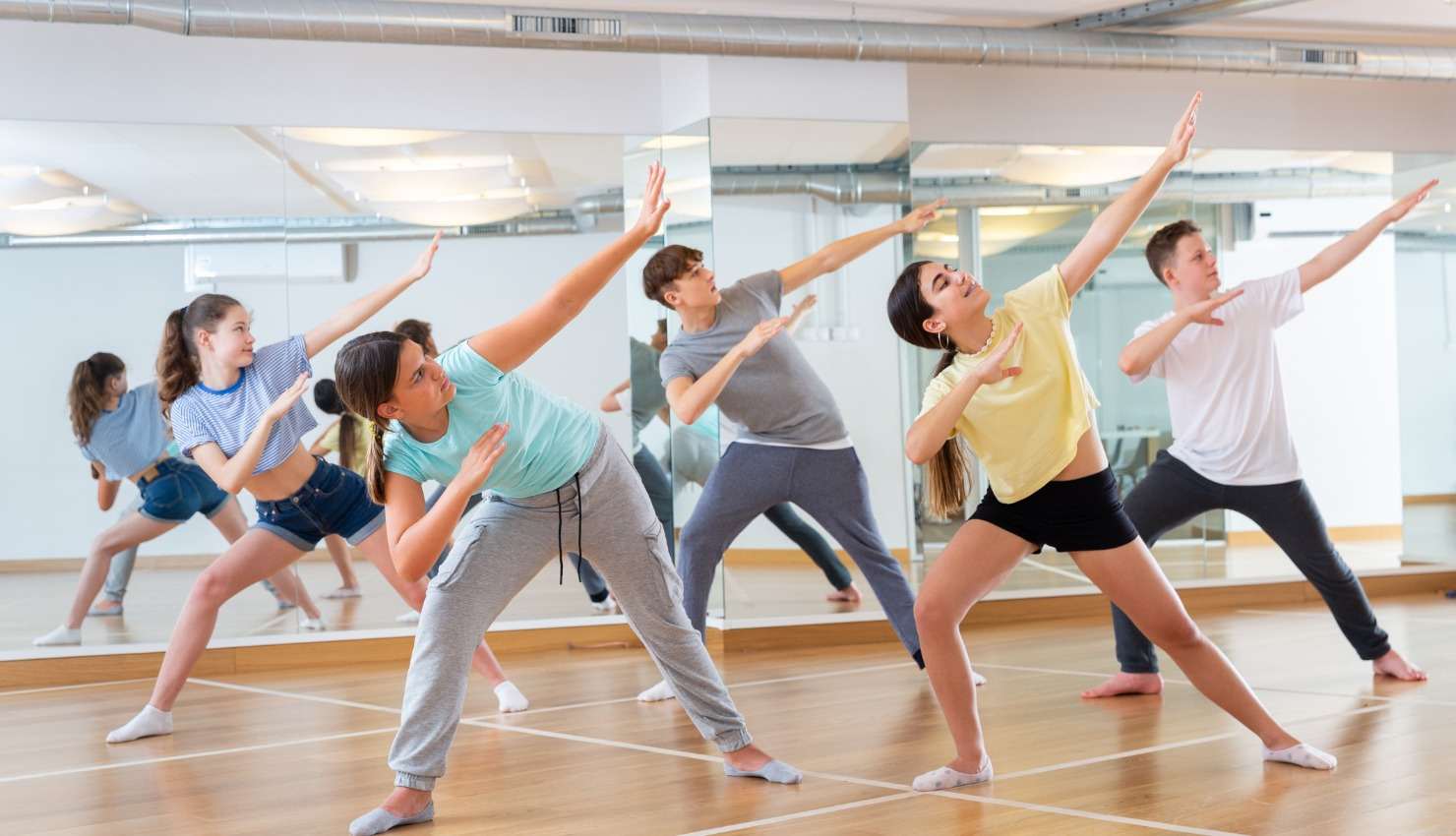
After a challenging dance rehearsal or performance, muscle soreness is commonespecially if youve pushed your body in new or demanding ways. This delayed onset muscle soreness (DOMS) typically peaks 2448 hours after exertion. While normal, soreness can limit movement, affect performance, and even lead to injury if not properly managed.
Fortunately, physiotherapy offers effective tools and strategies to recover faster, reduce discomfort, and return to dance stronger than before.
?? What Causes Muscle Soreness After Dance?
Micro-tears in muscle fibers from intense or unfamiliar movement
Build-up of metabolic byproducts like lactic acid
Inflammation as the body initiates the healing process
Overuse or fatigue of muscles lacking adequate support
Commonly affected areas include:
Calves and hamstrings after jumping
Quadriceps after pliés or lunges
Glutes from extensions and floorwork
Core after partnering, balances, or complex choreography
?? A Physiotherapy Approach to Soothing Sore Muscles
?? 1. Active Recovery > Complete Rest
Instead of lying still, physiotherapists recommend light movement to stimulate circulation and promote healing.
? Try:
Gentle walking or biking
Dynamic stretches (e.g., leg swings, arm circles)
Low-intensity dance combinations
?? Why it helps: Movement increases blood flow, flushes waste products, and reduces stiffness.
?? 2. Guided Stretching for Relief and Mobility
Targeted stretching helps lengthen tight musclesbut passive overstretching isnt the goal. A physiotherapist will guide you through safe techniques based on your soreness level.
? Focus on:
Hip flexors, hamstrings, and glutes
Calves and lower back
Upper traps and shoulders
?? Why it helps: Controlled stretches restore range of motion and reduce post-dance tightness.
?? 3. Manual Therapy and Massage Techniques
Physiotherapists may use:
Myofascial release to reduce adhesions
Trigger point therapy to ease specific muscle knots
Soft tissue mobilization to reduce swelling and tension
?? Why it helps: Hands-on techniques reduce soreness, improve circulation, and accelerate tissue repair.
?? 4. Hydrotherapy and Contrast Baths
Alternating between warm and cool water immersion is a time-tested method to reduce soreness and promote muscle relaxation.
? Home version: Alternate between hot and cold showers
? Studio version: Use cold packs after dance, then warm baths in the evening
?? Why it helps: This contrast stimulates blood flow and reduces inflammation in sore muscles.
?? 5. Topical Relief and Modalities
Physiotherapists may recommend:
Anti-inflammatory gels (arnica, menthol-based creams)
Ultrasound therapy for deep tissue healing
TENS therapy (Transcutaneous Electrical Nerve Stimulation) for pain relief
?? Why it helps: Local treatments can calm irritated tissues and reduce the sensation of soreness.
?? 6. Recovery Nutrition and Hydration
Dancers often underestimate how much post-exercise fuel their muscles need to recover.
? After dance:
Eat a small meal with protein + carbs within 3060 minutes
Stay hydrated with water + electrolytes
Include anti-inflammatory foods like berries, turmeric, leafy greens, and omega-3s
?? Why it helps: Fuels muscle repair and reduces systemic inflammation that worsens soreness.
??? 7. Sleep and Rest Optimization
Sleep is when most of your tissue recovery takes place. If you dance daily, quality sleep is your best injury prevention tool.
? Tips:
Aim for 79 hours of uninterrupted sleep
Use a foam roller or yoga session before bed
Avoid over-caffeinating late in the day
?? Why it helps: Deep sleep promotes hormone regulation and speeds up muscle repair.
?? When to Seek Physiotherapy
While general soreness is normal, you should consult a physiotherapist if:
Pain is sharp, localized, or worsening after 48 hours
You feel restricted in movement or function
Soreness affects only one side or joint
Swelling or bruising appears with no direct impact
Early intervention helps distinguish normal DOMS from a developing strain or overuse injury.
? Summary: Post-Dance Soreness Recovery Plan
Physiotherapy Tip How It Helps
Active recovery Increases circulation, reduces stiffness
Guided stretching Improves flexibility and releases tension
Manual therapy Eases knots and boosts blood flow
Contrast therapy Reduces inflammation and soothes muscles
Pain relief modalities Offers targeted support for recovery
Post-dance nutrition Fuels muscle repair and prevents fatigue
Sleep & rest Supports full-body healing overnight