Effective Core Rehab Techniques for Healthy Spine Function explores targeted strategies for recovery. Discover new paths to mobility, healing, and personalized care.

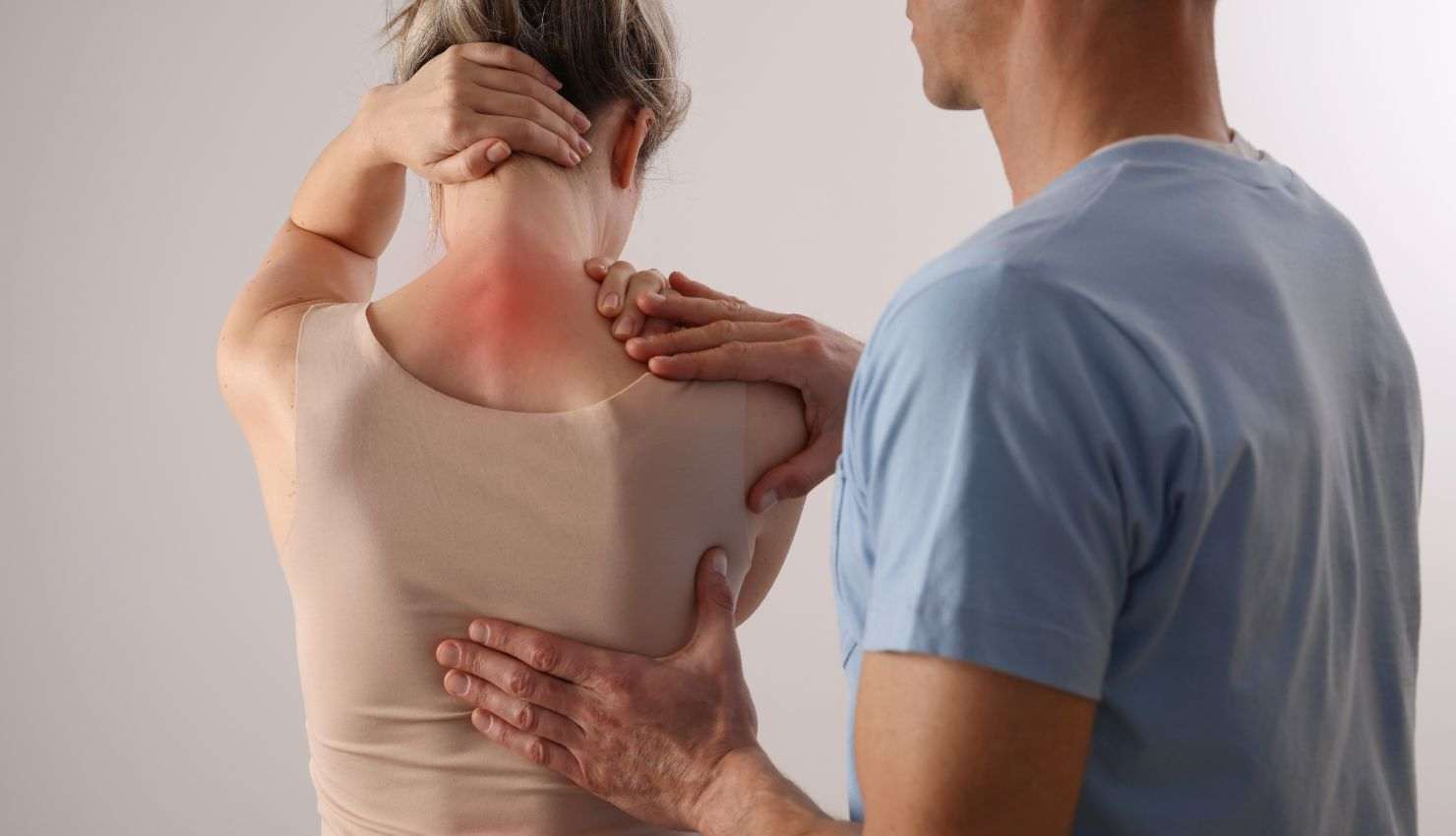
A healthy spine is essential for everyday movement, balance, and overall well-being. One of the foundational elements that support spinal health is a strong and well-conditioned core. In the world of physiotherapy, core rehabilitation plays a crucial role in restoring spine function, alleviating pain, and preventing future injuries. If youve ever wondered how core rehab techniques can help keep your spine healthy, youre in the right place.
What Is Core Rehabilitation?
Core rehabilitation refers to targeted exercises and therapies designed to strengthen the muscles around your trunk, including the abdomen, lower back, hips, and pelvis. These muscles act as a supportive girdle for the spine, promoting stability and controlled movement. When your core muscles are weak or imbalanced, your spine can become vulnerable to strain, misalignment, and injury.
Physiotherapists use core rehab techniques to retrain these muscles, improve their coordination, and enhance their endurance, which is essential for maintaining spine health during daily activities and physical exertion.
Why Core Strength Matters for Your Spine
Your core is much more than just the six-pack muscles visible on the surface. It includes deep muscles such as the transverse abdominis, multifidus, diaphragm, and pelvic floor muscles. Together, these muscles create a natural brace that supports the spine from all angles.
Strong core muscles:
Reduce spinal load: By distributing weight evenly and reducing pressure on spinal discs.
Enhance posture: Keeping the spine in a neutral, healthy alignment.
Improve movement efficiency: Supporting smooth and coordinated movements.
Prevent injuries: By stabilizing the spine during lifting, bending, or sudden movements.
In contrast, a weak or unbalanced core can lead to poor posture, chronic back pain, and an increased risk of disc herniation, muscle strains, or nerve irritation.
Key Core Rehab Techniques Used in Physiotherapy
Physiotherapy employs a variety of evidence-based techniques to strengthen the core and improve spine function. Here are some of the most effective ones:
1. Isometric Core Activation
Isometric exercises involve contracting core muscles without movement, helping to build stability. A physiotherapist might guide you through activating deep muscles such as the transverse abdominis while maintaining a neutral spine position. This technique is often the first step in core rehab, especially for individuals with pain or limited mobility.
2. Dynamic Core Strengthening
Once basic activation is mastered, dynamic exercises introduce controlled movements that challenge core muscles. Examples include pelvic tilts, bridges, or bird dog exercises. These movements improve muscle coordination and endurance, essential for everyday function.
3. Neuromuscular Re-education
This approach focuses on retraining your brain and muscles to work together efficiently. It can include balance exercises, proprioceptive training, and functional movement patterns that help restore optimal spine mechanics.
4. Progressive Resistance Training
As your core strength improves, physiotherapists may incorporate resistance bands, weights, or stability tools like exercise balls. These increase the challenge, promoting muscle growth and endurance.
Benefits of Core Rehab for Spine Health
The benefits of effective core rehabilitation go beyond just strengthening muscles. They include:
Pain reduction: Strong core muscles take pressure off painful spinal structures.
Improved mobility: Enhanced spine stability allows greater freedom of movement.
Better posture: Reduced slouching and spinal misalignment.
Faster recovery: For those recovering from spinal injuries or surgeries.
Injury prevention: By stabilizing the spine and improving body mechanics.
Integrating Core Rehab Into Your Daily Life
Physiotherapists dont just hand over exercises; they teach you how to integrate core strengthening into your daily activities. This includes ergonomic advice, posture correction during work, and safe movement strategies for lifting and bending.
Incorporating core rehab into your routine doesnt require hours in the gym. Often, just 15-20 minutes a day of targeted exercises can yield significant benefits over time.
Why Choose Physiotherapy for Core Rehab in Canada?
In Canada, physiotherapy is widely recognized as a first-line treatment for spinal issues. With a focus on non-invasive, personalized care, physiotherapists tailor rehab programs to meet your unique needs and goals. Whether youre dealing with chronic back pain, recovering from an injury, or just want to boost your spinal health, professional guidance ensures your rehab is safe, effective, and sustainable.
At YourFormsUX (YFS), we support physiotherapists and patients alike by providing easy access to essential forms and resources, streamlining your rehab journey and making care more efficient.
Final Thoughts
A strong, stable core is the foundation of a healthy spine. Through targeted physiotherapy core rehab techniques, you can improve spine function, relieve pain, and reduce your risk of injury. The path to better spinal health begins with understanding the importance of your core and committing to a rehab program designed just for you.
Dont wait until back pain limits your life take proactive steps with physiotherapy to strengthen your core and support your spine for years to come.