Enhancing Agility and Coordination in Athletes through Sports-Specific Therapy explores targeted strategies for recovery. Discover new paths to mobility, healing, and personalized care.

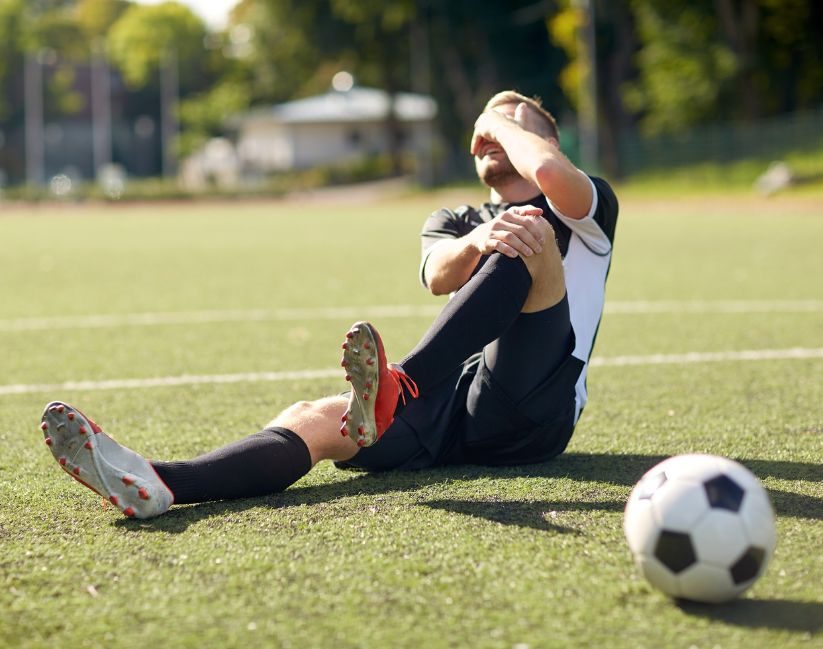
In the competitive world of sports, agility and coordination are two of the most valuable physical attributes an athlete can develop. Whether youre sprinting down the field, dodging opponents, or performing complex movements, having sharp agility and precise coordination can elevate your performance and give you a winning edge. Yet, these skills dont just appearthey require dedicated training, often guided by sports-specific physiotherapy programs designed to meet the unique demands of each athletes sport.
This blog explores how sports-specific therapy helps athletes enhance agility and coordination, reduces injury risk, and supports peak athletic performance. Well delve into the science behind agility and coordination, key physiotherapy interventions, and practical ways athletes can incorporate these principles into their training.
What Are Agility and Coordination?
Before diving into how physiotherapy can help, its essential to understand what agility and coordination entail:
Agility refers to the ability to quickly change direction or speed in response to a stimulus. It combines speed, balance, and reflexes.
Coordination involves the harmonious functioning of muscles and joints to execute smooth, controlled movements. Its about timing, rhythm, and precision.
Both are critical in sports ranging from soccer, basketball, and rugby to tennis and martial arts. Poor agility or coordination can lead to decreased performance and increased injury risk, especially during rapid, multidirectional movements.
Why Athletes Need Sports-Specific Therapy for Agility and Coordination
Generic fitness training can build strength and endurance but often falls short in developing sport-specific neuromuscular control and movement efficiency. Sports-specific therapy bridges this gap by:
Tailoring exercises to mimic the exact demands of the athletes sport.
Addressing imbalances or weaknesses that impair agility.
Improving reaction time through drills that stimulate the nervous system.
Enhancing motor learning and muscle memory for faster, safer movements.
How Physiotherapy Enhances Agility
Neuromuscular Training
Physiotherapists use neuromuscular training to improve the communication between the nervous system and muscles. This training enhances reaction time and the ability to execute complex movements quickly and safely. Examples include ladder drills, cone drills, and reactive shuttle runs.
Balance and Proprioception Exercises
Balance training on unstable surfaces like wobble boards challenges the bodys proprioceptive systemthe sense of joint position and movement. This helps athletes maintain control during sudden changes in direction.
Strength and Power Conditioning
Developing lower body strength, particularly in the hips, glutes, and calves, supports explosive starts and quick stops. Plyometric exercises such as jump squats and bounding improve power output essential for agile movements.
Flexibility and Mobility Work
Tight muscles and limited joint range of motion restrict agility. Physiotherapy includes targeted stretching and mobilization techniques to ensure joints move freely and muscles can lengthen effectively.
Enhancing Coordination through Physiotherapy
Motor Control Training
Physiotherapists use drills that emphasize fine motor skills and precise movement patterns. This training can include ball handling, rhythm exercises, and movement sequencing drills to develop better timing and muscle activation.
Functional Movement Patterns
Therapy focuses on strengthening functional patterns that replicate sport-specific tasks, such as cutting, jumping, and reaching. This builds muscle memory and reduces compensatory movements that lead to injury.
Visual-Motor Integration
Some sports-specific therapy integrates visual tracking and hand-eye coordination drills, which are vital for sports like baseball, tennis, and hockey.
Injury Prevention Benefits
Enhanced agility and coordination reduce the likelihood of injuries by improving an athletes ability to control movements and absorb impact forces safely. For example:
Better balance and proprioception prevent ankle sprains.
Improved reaction time reduces awkward landings and knee injuries.
Corrected movement patterns decrease repetitive strain injuries.
Real-World Applications: How Athletes Benefit
Athletes who engage in sports-specific therapy report improvements such as:
Faster change of direction in soccer or basketball.
Quicker reflexes in combat sports.
Better timing and precision in racket sports.
Enhanced ability to avoid tackles or collisions.
Incorporating Sports-Specific Therapy into Training
To maximize benefits, athletes should:
Work with a physiotherapist to assess current agility and coordination levels.
Follow a customized program that evolves with their progress.
Combine therapy with regular sports training and proper rest.
Use video feedback and performance tracking for ongoing improvement.
Final Thoughts
Agility and coordination are foundational for athletic success but require focused, sport-specific training. Physiotherapy offers tailored interventions that enhance neuromuscular control, strength, balance, and motor skills. By investing in sports-specific therapy, athletes not only improve performance but also reduce injury risk and increase career longevity.
If you want to sharpen your agility and coordination for your sport, consulting a physiotherapist experienced in sports-specific therapy is a smart first step toward reaching your athletic goals.