Enhancing Your Health by Syncing Your Exercise Routine with Your Hormonal Cycle explores targeted strategies for recovery. Discover new paths to mobility, healing, and personalized care.

Have you ever felt like your workouts just arent matching how you feel throughout the month? Maybe some days youre full of energy and ready to push hard, while other days you just want to take it easy. What if I told you that syncing your exercise routine with your hormonal cycle could be the game-changer you need to boost your health, improve your mood, and even optimize your fitness results? At YourFormsUX in Canada, were all about empowering you with science-backed strategies, and cycle-synced exercise is a powerful way to do just that.
What Is Cycle-Synced Exercise?
Cycle-synced exercise means tailoring your workouts to the natural fluctuations in your hormones across your menstrual cycle. Instead of following a rigid, one-size-fits-all plan, you adjust the type, intensity, and duration of your workouts according to the four phases of your cycle: menstruation, follicular phase, ovulation, and luteal phase. Each phase brings hormonal changes that affect your energy, strength, endurance, and recovery.
Why Hormones Matter in Exercise
Your hormonesmainly estrogen and progesteronedont just regulate your reproductive system; they also influence your metabolism, muscle function, mood, and energy levels. For example:
Estrogen tends to peak before ovulation and supports muscle recovery and endurance.
Progesterone rises after ovulation and can make you feel more fatigued and slower to recover.
By listening to these shifts and syncing your exercise accordingly, you work with your body, not against it.
The Four Phases and How to Exercise During Each
Menstruation (Days 1-5): Rest and Gentle Movement
During menstruation, estrogen and progesterone levels are low. You might experience cramps, fatigue, or mood changes. This is the perfect time to focus on gentle, restorative activities like yoga, walking, or light stretching. Physiotherapy can help manage any menstrual pain or discomfort, ensuring you stay comfortable and active.
Follicular Phase (Days 6-14): Build Strength and Endurance
As estrogen rises, energy levels increase, and your body is primed for more intense workouts. This phase is great for strength training, high-intensity interval training (HIIT), and cardio sessions. Your muscles recover faster, so you can push harder and see gains in strength and endurance.
Ovulation (Around Day 14): Peak Performance
Ovulation marks the peak of estrogen. Many women feel their best during this phasestrong, energetic, and motivated. This is an excellent time to challenge yourself with your hardest workouts. Just be mindful of injury risk, as ligaments may be slightly more lax due to hormonal changes.
Luteal Phase (Days 15-28): Focus on Recovery and Low-Impact Workouts
Progesterone rises, making you feel more tired and sometimes bloated or moody. Your body might not recover as quickly. Opt for moderate cardio, pilates, swimming, or lower-impact activities. Prioritize rest days and listen to your bodys needs.
How Physiotherapy Supports Cycle-Synced Exercise
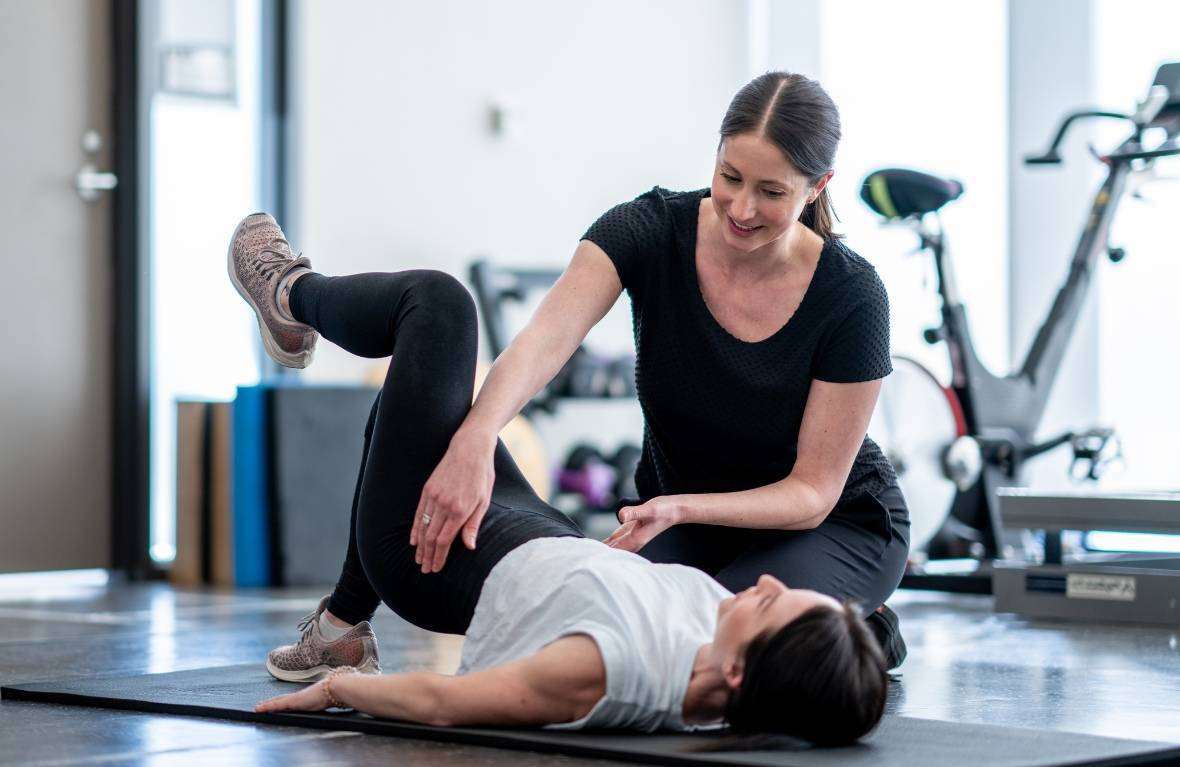
Integrating physiotherapy into your cycle-synced routine can maximize benefits and minimize injury risk. Heres how:
Customized Movement Plans: Physiotherapists tailor exercises to your cycle phase, addressing your bodys strengths and vulnerabilities.
Pain and Discomfort Management: If you experience cramps, pelvic pain, or hormonal-related discomfort, physiotherapy techniques like manual therapy and pelvic floor exercises offer relief.
Improved Body Awareness: Physiotherapy helps you tune into subtle changes in your body, making it easier to adjust your workouts mindfully.
Injury Prevention: By focusing on posture, muscle balance, and joint stability, physiotherapy reduces the risk of injuries, especially during vulnerable phases like ovulation.
Benefits of Syncing Exercise with Your Hormones
Increased Energy and Motivation: Working with your hormonal highs and lows means youre less likely to feel burned out or exhausted.
Enhanced Fitness Gains: Matching workout intensity with your bodys capacity leads to better strength, endurance, and fat metabolism.
Reduced PMS and Menstrual Symptoms: Regular cycle-aware exercise can ease cramps, mood swings, and bloating.
Better Recovery and Sleep: Hormone-synced activity helps regulate sleep patterns and recovery processes.
Practical Tips to Start Syncing Your Exercise Routine
Track your cycle using apps or journals to understand your unique patterns.
Plan your weekly workouts around your current phase.
Include physiotherapy sessions to customize your approach and address any pain or imbalances.
Stay flexiblesome months may vary, so listen to your body and adjust as needed.
Final Thoughts
Syncing your exercise routine with your hormonal cycle is more than just a trendits a smart, science-backed way to enhance your health, boost your mood, and respect your bodys natural rhythms. At YourFormsUX, we believe in empowering you to live your best life through personalized care that includes physiotherapy and wellness strategies tailored just for you.
Ready to experience the benefits of cycle-synced exercise? Start tuning into your body today and make your workouts work for you.