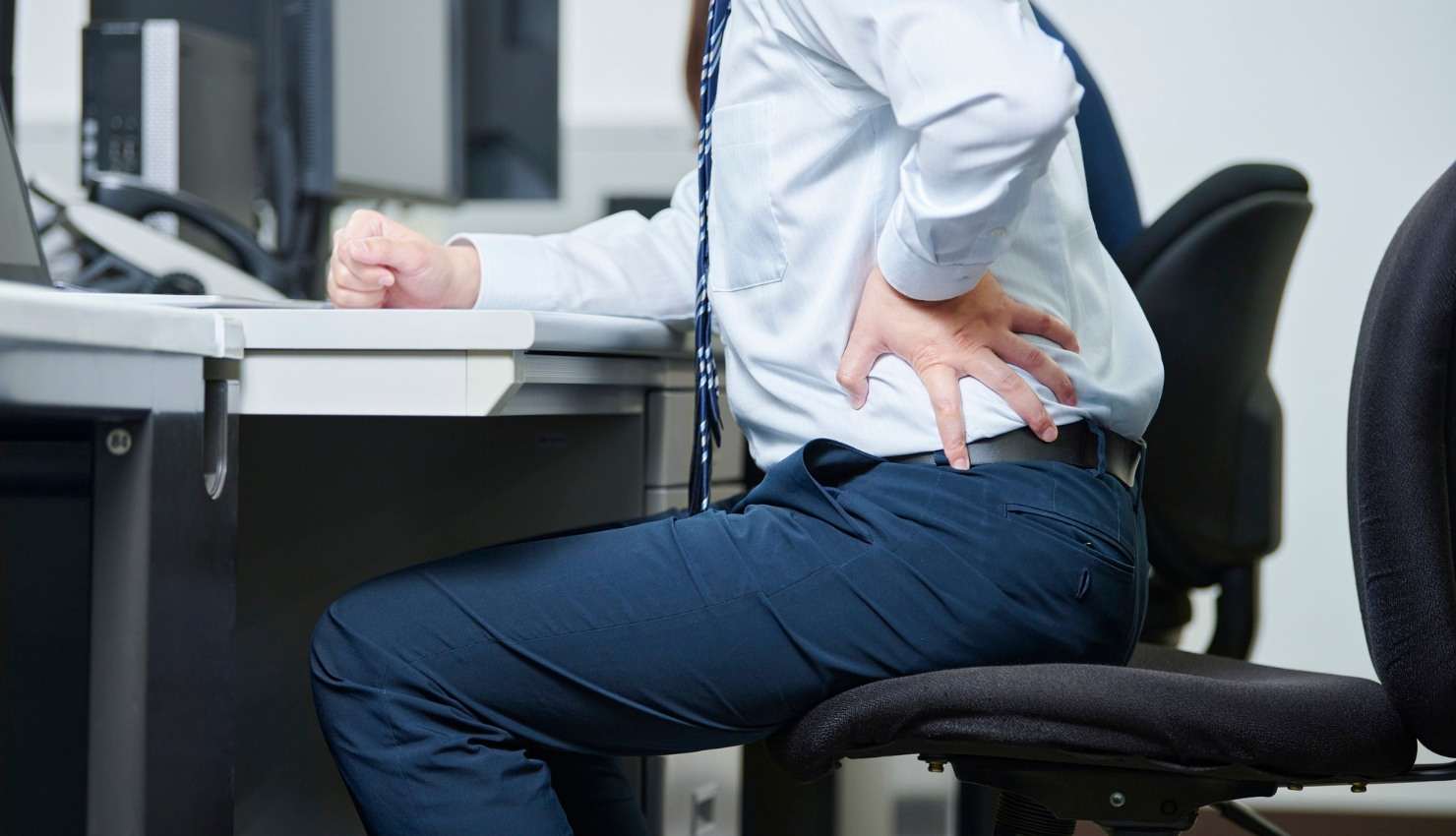
The Science Behind Back Pain and Poor Ergonomics When you sit with poor posture:

The Science Behind Back Pain and Poor Ergonomics
When you sit with poor posture:
Your spine loses its natural curves
Muscles overwork to compensate (especially neck, shoulders, and lower back)
Pressure builds in spinal discsespecially in the lumbar area
Circulation decreases, leading to stiffness and pain
?? Bad ergonomics silently contribute to chronic back issues, fatigue, and reduced productivity.
? How to Set Up an Ergonomic Home Office
?? 1. Chair: Your Backs Best Friend
Adjust seat height so your feet are flat on the floor and knees are level with hips
Use lumbar support (built-in or a small pillow) to maintain the spines natural curve
Sit all the way back in the chairno slouching!
?? Your lower back should feel supportednot hollow or slumped.
?? 2. Desk and Monitor Setup
Monitor height: Top of screen at eye level
Distance: About an arms length away
Keyboard/mouse: Elbows at 90°, wrists neutral
Use a laptop stand or books if needed
?? Looking down = forward head posture = neck and upper back strain.
?? 3. Foot and Arm Positioning
Feet flat or supported by a footrest
Forearms parallel to the floor and relaxed
Avoid leaning or shruggingthis tires shoulder and neck muscles
????? The Role of Posture in Back Pain Prevention
Posture isnt just about sitting up straightits about dynamic, supported alignment.
?? Ideal Sitting Posture
Ears over shoulders, shoulders over hips
Chin slightly tucked
Spine gently curved (not rigid)
Core lightly engaged
Shoulders relaxed, not rounded forward
? Good posture distributes forces evenly through your spine.
?? Move Often: The Real Secret to Pain-Free Posture
Even perfect posture becomes painful when held too long. Thats why movement breaks are key.
Every 3045 minutes: stand, stretch, or walk
Alternate between sitting and standing if possible
Try seated or standing desk stretches (spinal twists, side bends, chest openers)
????? Strengthening and Stretching: Your Postural Support System
To maintain good posture and prevent back pain, strengthen these key areas:
?????? Strengthen:
Core (planks, bird dogs)
Glutes (bridges, clamshells)
Mid-back (rows, wall angels)
????? Stretch:
Hip flexors
Hamstrings
Chest and shoulders
Thoracic spine
?? Home-Friendly Tools That Help
Laptop riser or monitor stand
Lumbar cushion
Foam roller for back release
Anti-fatigue mat if using a standing desk
Stretch reminder apps like Stretchly or Move
????? Final Takeaway
You dont need expensive equipment to prevent back painjust smart setup, conscious posture, and regular movement. The more you support your body, the more it supports your work, focus, and comfort.
Your spine was designed for movement. Good posture simply helps it move better.