Functional Health Checkups for Improving Core Strength and Stability explores targeted strategies for recovery. Discover new paths to mobility, healing, and personalized care.

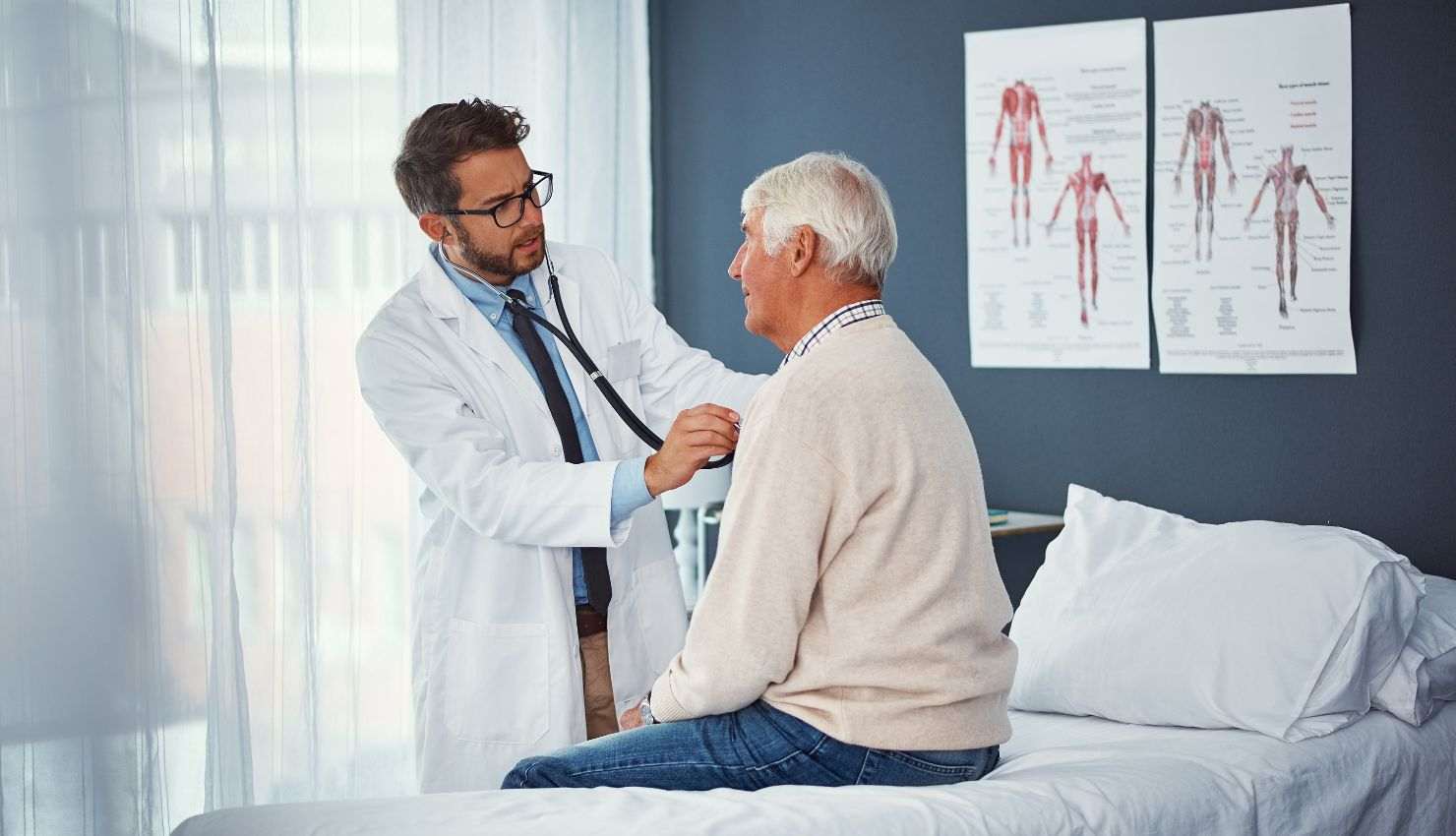
Your core isnt just your abs. Its a deep, interconnected system of muscles that stabilize your spine, support your organs, and transfer power between your upper and lower body. Think of it as your bodys central hubif your core is weak or misfiring, everything else has to work harder.
And this is exactly where functional health checkups come in. They assess how your core muscles are functioning in real-world movementnot just how many crunches you can do.
?? Why Core Strength and Stability Matter
Before we dive into how checkups help, heres why a strong, stable core is so important:
Supports good posture
Protects the spine from strain and injury
Improves balance and coordination
Enhances athletic performance
Reduces lower back pain
Enables better breathing and movement control
Without proper core engagement, your body starts compensatingoften by overworking the hips, back, or shoulderswhich can lead to tightness, pain, or even injury.
?? What Is a Functional Health Checkup?
A functional health checkup is a full-body movement assessment that evaluates:
How well your core stabilizes during movement
Whether your body is compensating for weak core muscles
Postural alignment (especially spine and pelvis)
Balance, coordination, and neuromuscular control
Breathing mechanics (yes, your diaphragm is part of your core!)
Its not just a static examits a dynamic look at how your body behaves when you bend, twist, lift, or even breathe.
? How Functional Checkups Improve Core Strength and Stability
?? 1. Identifies Weak or Underactive Core Muscles
A checkup helps determine if your deep core muscleslike the transverse abdominis, pelvic floor, and diaphragmare doing their job, or if theyve been turned off due to poor posture, injury, or inactivity.
?? 2. Assesses Postural Alignment
Pelvic tilt, forward head posture, or a collapsed spine all affect how your core engages. A checkup helps realign your posture so your core can fire correctly and consistently.
?? 3. Evaluates Breathing Patterns
Most people with poor core engagement also have poor breathing mechanics. A functional checkup trains you to use your diaphragm and core muscles togetherfor improved oxygen flow and core strength.
?? 4. Builds Dynamic Core Control
Its not about holding a plank for 5 minutesits about whether your core is supporting you while you move. Functional checkups test your ability to maintain core stability during real-life motions like squats, lunges, walking, and twisting.
??? 5. Provides a Tailored Movement Plan
After identifying your weak spots, a checkup gives you personalized drills and exercises to improve core activation, posture, and movement qualityno guesswork, just progress.
??? What to Expect During the Checkup
Postural and pelvic alignment assessment
Diaphragmatic breathing evaluation
Core endurance and strength testing
Movement screens (walking, lifting, twisting, balancing)
Coordination and stability exercises
A personalized core training strategy
Its gentle, educational, and designed to help you move with more control and confidence.
?? The Benefits of a Stronger, More Stable Core
After following through with your functional checkup and personalized plan, you can expect:
Improved posture and spinal support
Reduced risk of back and hip pain
Better balance and coordination
More powerful and efficient movement
Easier breathing and reduced tension
Enhanced performance in workouts and daily life
Your core becomes not just strongerbut smarter, more responsive, and more integrated into every move you make.
? Final Thought: Build Strength from the Center Out
If you want to move better, feel stronger, and prevent injury, your core is the place to start. But rather than just doing endless sit-ups or planks, a functional health checkup helps you understand how your core works in real-world movementand how to make it work better.
Because a strong, stable core isnt just about fitnessits about freedom in movement.