Gait Analysis for Correcting Abnormal Walking Patterns in Children explores targeted strategies for recovery. Discover new paths to mobility, healing, and personalized care.

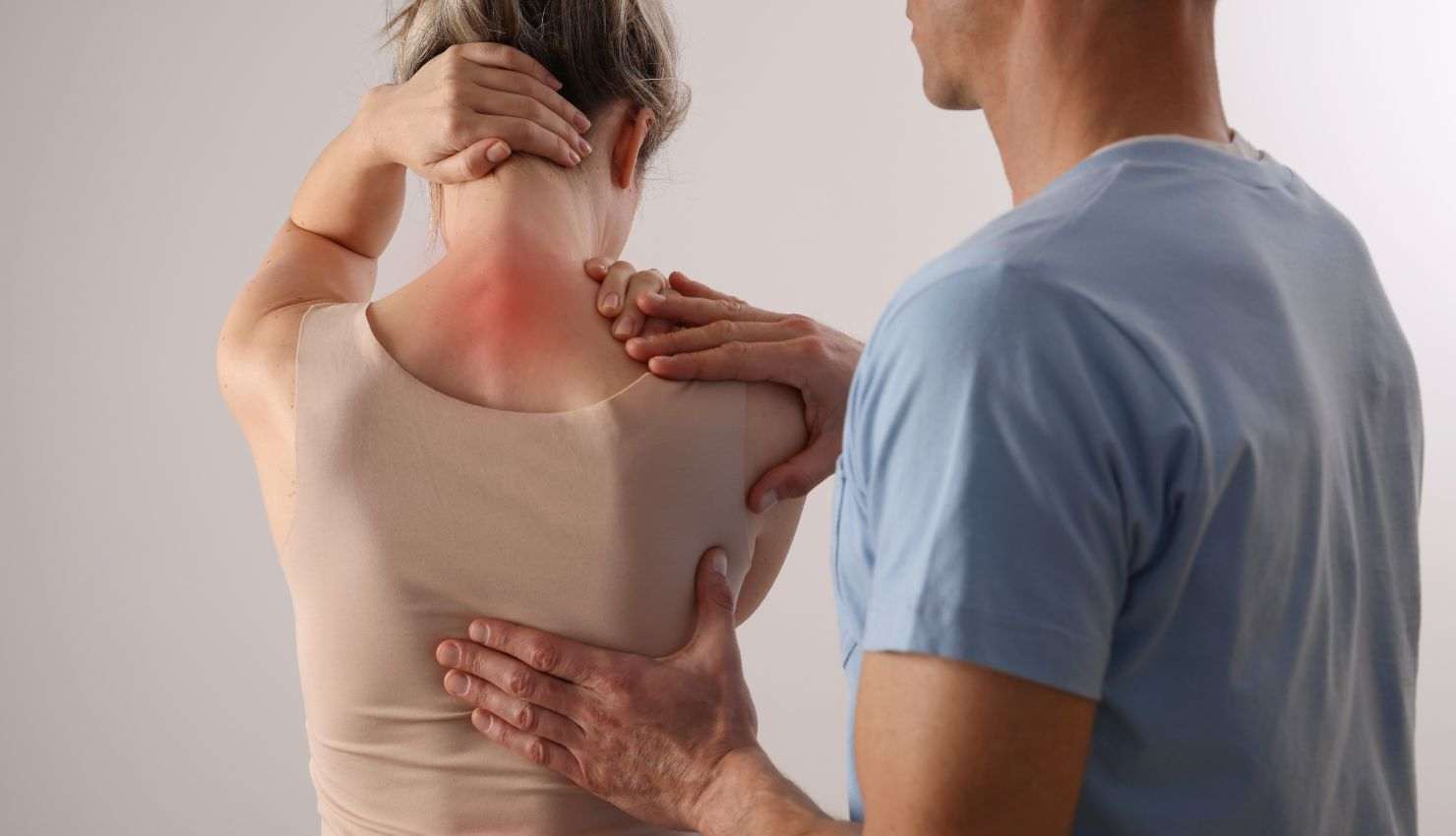
Childrens walking patterns develop early in life, and any deviation from a healthy gait can lead to long-term musculoskeletal issues if left unaddressed. Gait analysis has emerged as an essential physiotherapy tool in identifying and correcting abnormal walking patterns in children. By analyzing the mechanics of movement, gait analysis allows physiotherapists to tailor effective interventions that support healthy development, improve posture, and prevent long-term complications.
Understanding Pediatric Gait Abnormalities
Children may present with various gait abnormalities such as toe walking, in-toeing, out-toeing, limping, or uneven stride lengths. While some of these patterns are part of normal development and resolve with age, others may signal underlying musculoskeletal or neurological concerns. Early intervention is key, and gait analysis offers a non-invasive, evidence-based way to assess the childs biomechanics.
Gait abnormalities can stem from structural issues like leg length discrepancies, muscle weakness, flat feet, or joint misalignment. Neurological conditions such as cerebral palsy or muscular dystrophy may also impact gait. A detailed gait assessment helps distinguish between temporary developmental patterns and persistent abnormalities that require intervention.
How Gait Analysis Works for Children
A gait analysis involves capturing a childs walking pattern using specialized motion-tracking technology and observational assessments by trained physiotherapists. The child may walk barefoot or in shoes along a designated path, where cameras and sensors record foot placement, stride length, hip and knee motion, and overall body alignment.
Key measurements include cadence, step width, balance, joint angles, and foot strike patterns. These measurements allow therapists to detect asymmetries and inefficient movement patterns that could lead to compensatory issues later in life.
Importantly, pediatric gait analysis is adapted to suit the childs comfort and developmental level. Engaging and supportive environments are created to encourage natural movement while collecting clinically valuable data.
Benefits of Early Gait Intervention
Correcting abnormal gait patterns early has multiple benefits:
Improved Motor Development: Addressing inefficient movement supports motor coordination and balance, which are critical for a childs growth and activity level.
Reduced Risk of Injury: An abnormal gait places stress on joints and muscles, increasing the likelihood of sprains, strains, and chronic pain.
Postural Alignment: Early gait correction promotes healthy posture, reducing long-term spinal and hip strain.
Increased Confidence in Movement: Children who move with ease are more likely to engage in physical activity, benefiting overall health and emotional well-being.
Role of Physiotherapy in Pediatric Gait Correction
Once an abnormal gait is identified through analysis, a personalized treatment plan is developed. Physiotherapy interventions may include:
Stretching and Strengthening: Exercises to address muscle tightness or weakness affecting gait patterns.
Manual Therapy: Gentle mobilization techniques to improve joint alignment and movement.
Balance and Coordination Training: Activities to enhance proprioception and spatial awareness.
Custom Orthotics: In some cases, foot orthotics are recommended to provide support and correct biomechanical issues.
Parental involvement is a key part of pediatric physiotherapy. Therapists guide caregivers on exercises and routines that can be safely performed at home, ensuring consistency in treatment and greater outcomes.
Long-Term Impact on Health and Development
Without correction, an abnormal gait in childhood may contribute to chronic pain, limited mobility, and orthopedic issues in adolescence and adulthood. Children who experience frequent falls, fatigue during walking, or uneven wear on shoes should be assessed by a physiotherapist.
Investing in gait analysis early not only resolves current mobility concerns but also lays a strong foundation for lifelong joint health, injury prevention, and efficient movement.
Supporting Children Through Growth Phases
As children grow, their bones and muscles undergo constant changes. What may be a minor gait issue at age five can evolve into a more serious concern if not addressed. Gait analysis is especially helpful during growth spurts or following injuries to ensure that movement remains functional and pain-free.
Reassessing gait during developmental milestones allows physiotherapists to track improvements, modify treatment plans, and prevent recurrence of issues. A proactive approach through routine analysis and therapy can significantly enhance a childs functional independence.
Empowering Parents and Pediatricians
Physiotherapy clinics like Your Form Sux in Canada are equipped to work closely with pediatricians and parents to identify concerns early and develop effective treatment strategies. Encouraging regular movement assessments and physical screenings for children promotes greater awareness around developmental health.
Parents should consult a physiotherapist if they notice signs such as frequent tripping, uneven walking, or if their child complains of foot, leg, or back pain after walking or playing.
A Preventive Approach to Pediatric Mobility
Incorporating gait analysis into a childs healthcare journey ensures that any structural or functional concerns are caught and treated early. Preventing abnormal walking patterns from persisting into adolescence can protect against more invasive treatments later in life.
At Your Form Sux, we believe that children deserve the opportunity to move freely, confidently, and without pain. Gait analysis is one of the most powerful tools to ensure that healthy movement is part of every childs future.