Gait Analysis for Improving Posture and Reducing Muscle Tension explores targeted strategies for recovery. Discover new paths to mobility, healing, and personalized care.

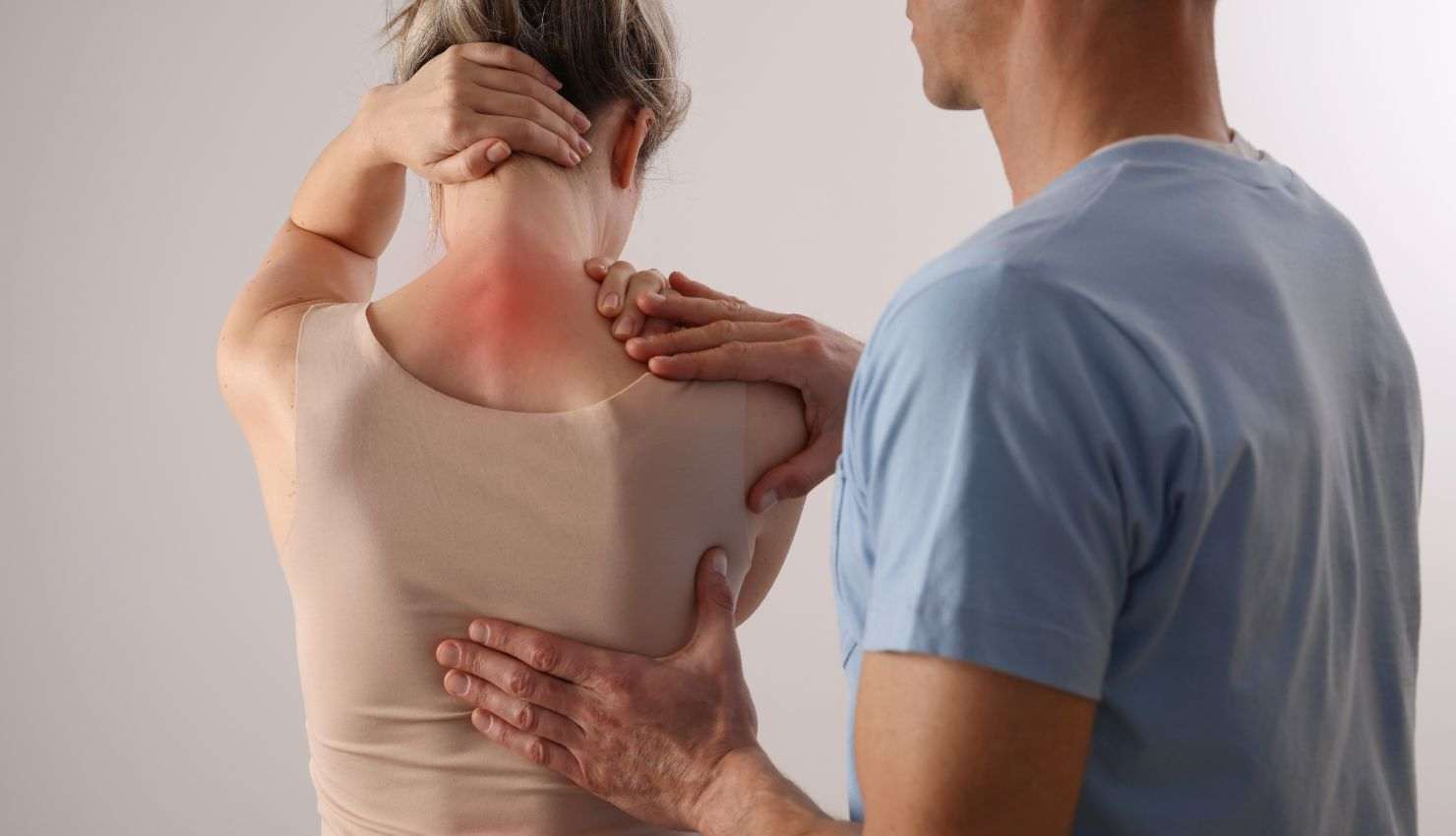
Posture is more than just standing up straightit reflects how your body balances itself during motion and rest. Poor posture is often the result of hidden biomechanical issues that originate in the feet and legs, even if the symptoms manifest as neck, shoulder, or back pain. Gait analysis offers a precise method of identifying these postural faults and their root causes. By evaluating your walking or running pattern, physiotherapists can design corrective strategies that improve posture and significantly reduce muscle tension throughout the body.
Why Posture Matters More Than You Think
Poor posture doesnt just look unbalancedit contributes to real physical issues:
Chronic neck and back pain
Headaches and muscle tightness
Joint strain in hips, knees, and ankles
Fatigue and low energy
Reduced breathing efficiency
Decreased mobility and flexibility
These problems often arise subtly over time, as the body compensates for dysfunction in the lower limbs. Without intervention, small misalignments compound into chronic musculoskeletal tension. This is where gait analysis becomes crucial.
The Link Between Gait and Posture
Your gaitthe way you walkreveals how efficiently and symmetrically your body moves. If your feet roll too far inward (overpronation) or not enough (underpronation), your knees, hips, and spine adjust in response. These adjustments shift your center of gravity and cause muscles to overcompensate, leading to tension and fatigue.
By analyzing your gait, physiotherapists can pinpoint:
Imbalances in stride length and cadence
Uneven weight distribution
Joint misalignments during movement
Postural deviations that may not be obvious during static standing
Understanding how these factors interact allows for targeted corrections that directly impact posture and reduce muscle stress.
What Gait Analysis Involves
A thorough gait analysis typically includes:
A visual and video assessment of walking or running
Use of pressure-sensing technology to detect load patterns
Measurement of joint angles and motion range
Evaluation of symmetry and balance
This process creates a comprehensive profile of how your body moves, which is then used to customize a treatment plan aimed at restoring optimal alignment and motion efficiency.
Reducing Muscle Tension Through Gait-Based Treatment
Muscle tension often builds up in response to inefficient or asymmetric movement patterns. Gait analysis helps identify exactly which muscles are overactive and which are underused. Treatment based on these insights might include:
Manual therapy to release tight muscles
Stretching and mobility work to improve flexibility
Strength training to support weak areas
Postural retraining to reinforce healthy movement patterns
By aligning the bodys kinetic chainfrom the feet upthis approach reduces unnecessary strain on muscles and joints, allowing tension to naturally dissipate over time.
Long-Term Postural Improvement
Unlike temporary solutions such as massage or medication, gait-based interventions offer long-term postural improvement. Once your body is trained to move more efficiently, the improvements become self-sustaining. Youll not only feel more comfortable and energized, but also build resilience against future injury.
Posture correction through gait analysis is especially beneficial for people who:
Spend long hours sitting or standing
Experience recurring muscle stiffness
Struggle with postural habits like slouching or forward head position
Suffer from chronic conditions such as scoliosis or kyphosis
Custom Orthotics: A Key Component
In many cases, gait analysis leads to the recommendation of custom orthotics. These inserts are tailored to your foot shape and gait pattern, providing structural support and helping to correct postural imbalances from the ground up.
Custom orthotics:
Redistribute pressure on the feet
Promote neutral foot positioning
Reduce overuse of compensatory muscles
Encourage better spinal alignment
When worn consistently, they become a critical part of your postural correction toolkit.
Gait Analysis in Physiotherapy Practice
At YFS, gait analysis is an integral part of personalized physiotherapy treatment. By incorporating biomechanical assessments into every evaluation, our practitioners ensure that the root causes of pain and tension are addressednot just the symptoms.
Clients report not only improved posture but also:
Reduced muscular pain
Better joint mobility
Enhanced performance in physical activities
Greater awareness of body mechanics
With follow-up assessments, progress can be tracked and treatments adjusted to support lasting postural improvement.
Taking the First Step Toward Alignment
If youve been stretching, strengthening, or seeking treatments for muscle tension without lasting relief, it may be time to look at how you move. Gait analysis provides clarity and direction. It reveals the subtle compensations your body makes that, over time, create muscular stress and poor posture.
By correcting the way you move, you improve the way you stand, sit, and function every day. Its a foundational approach to reducing discomfort and building a healthier, more resilient body.