Discover the wide-ranging benefits of chiropractic care for pain relief, mobility, and whole-body wellness.

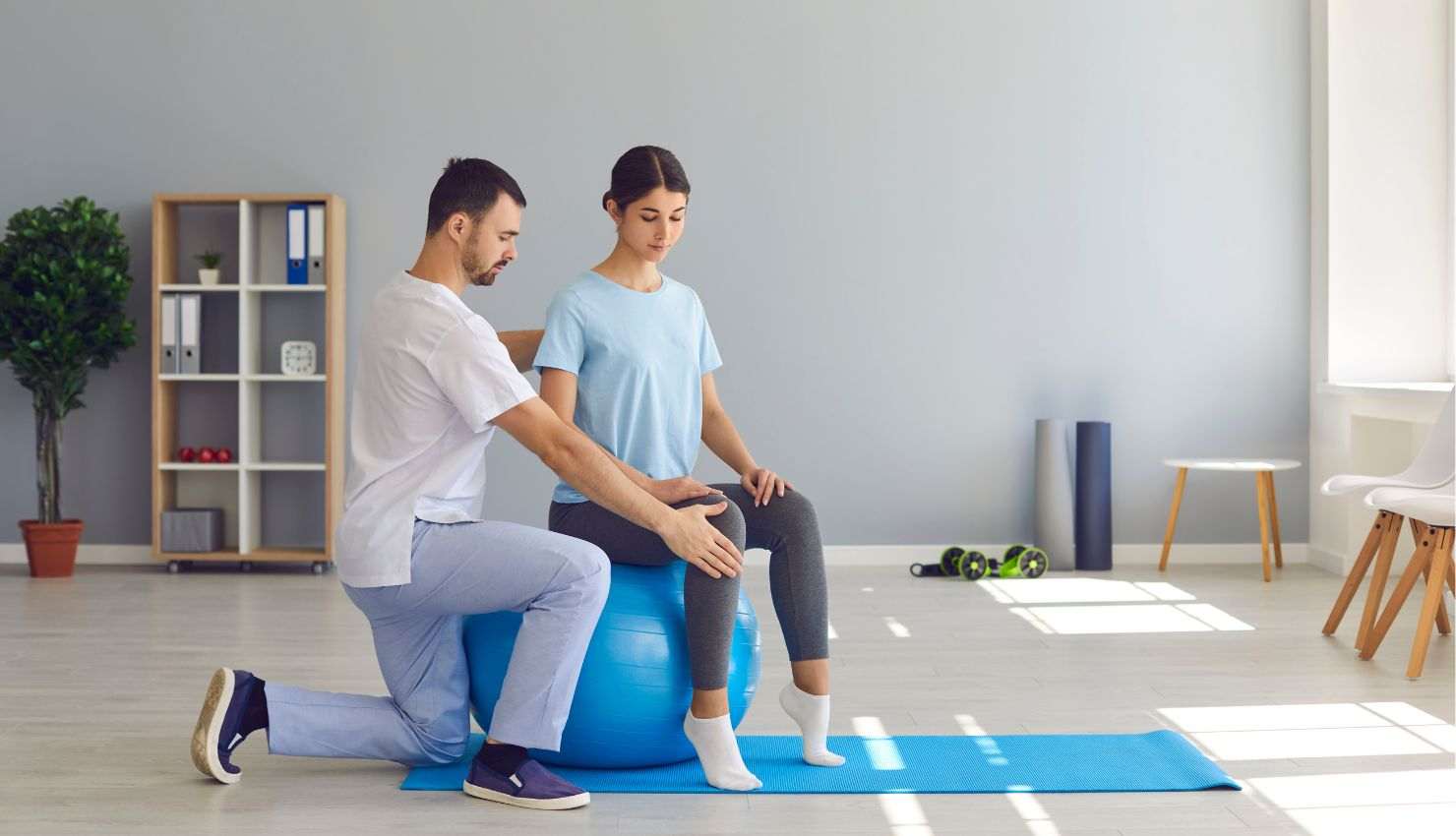
Lets talk about something that hits close to home for a lot of gamers: lower back pain.
Whether youre raiding dungeons, chasing that top rank in Valorant, or casually building your dream city, hours in front of a screen can add upfast. And if your lower back has started feeling sore, tight, or downright painful after a long session, youre definitely not alone.
The good news? Physiotherapy can help. Like, really help.
Why Does Gaming Cause Lower Back Pain?
Heres the deal: the human body just wasnt designed to sit still for long stretchesespecially not in the kind of postures we often adopt when gaming. Most of us unknowingly sit with:
A slouched spine
A tilted pelvis
And tense shoulders, all of which pull on the lower back
Add in a lack of movement, poor chair support, or a desk setup thats just good enough, and bamyour lower back starts crying out for help.
The Physiotherapy Fix: What Can Be Done?
Physiotherapy doesnt just treat painit addresses the root causes and helps you build a pain-proof strategy for the long run. Here’s how:
1. Assessment of Your Posture and Setup
First thing’s first: a physiotherapist will take a look at your posture, movement patterns, and your gaming setup. Theyre trained to spot small imbalances that could be stressing your lower back over time.
They might ask:
Hows your chair support?
Where are your feet placed?
Do you lean forward while playing?
How often do you take breaks?
Even your monitor height can impact your spine alignment.
2. Targeted Stretches and Mobility Work
Sitting shortens and tightens your hip flexors and hamstrings, which directly pull on your lower back. A physio will guide you through easy, game-friendly stretches to release those tight areas, such as:
Kneeling hip flexor stretch
Seated hamstring stretch
Childs pose or cat-cow movements for spinal flexibility
These exercises take just a few minutes but can dramatically reduce stiffness and discomfort.
3. Strengthening the Right Muscles
This is a game-changer: your core, glutes, and postural muscles are your bodys natural armor against back pain. Strengthening these helps support your spine even when youre sitting for hours.
A physiotherapist might design a plan including:
Glute bridges
Planks or side planks
Bird-dogs (funny name, serious results)
And beginner-friendly core stability drills
You dont need a gym. Just 1015 minutes a day can improve your backs resilience over time.
4. Movement Breaks and Sitting Strategy
Physios often encourage breaking up your sitting time with micro-movementssimple things like standing, stretching, or walking for a minute every 3060 minutes. You can even set reminders based on in-game timers or loading screens.
They may also suggest lumbar roll support or sitting on a small cushion to better support your spine’s natural curve.
5. Recovery Techniques
Already in pain? Dont push through it. Physiotherapists use manual therapy, dry needling, soft tissue release, and guided rehab to ease flare-ups and get you back to gaming safely. Theyll also coach you on how to manage pain and inflammation effectively at home.
Play Smarter, Sit Better
Gaming is awesomebut chronic pain isnt. The great thing about physiotherapy is that it doesn’t ask you to quit gamingit simply helps you do it better. With a few simple changes and a little support from a physiotherapist, your lower back can finally chill outeven during marathon sessions.
Ready to level up your spine health?
Whether you’re a casual gamer or a full-time streamer, a quick visit to a physio can make a world of difference for your comfort, focus, and long-term health.