Healing Dance Injuries Faster with Physiotherapy explores targeted strategies for recovery. Discover new paths to mobility, healing, and personalized care.

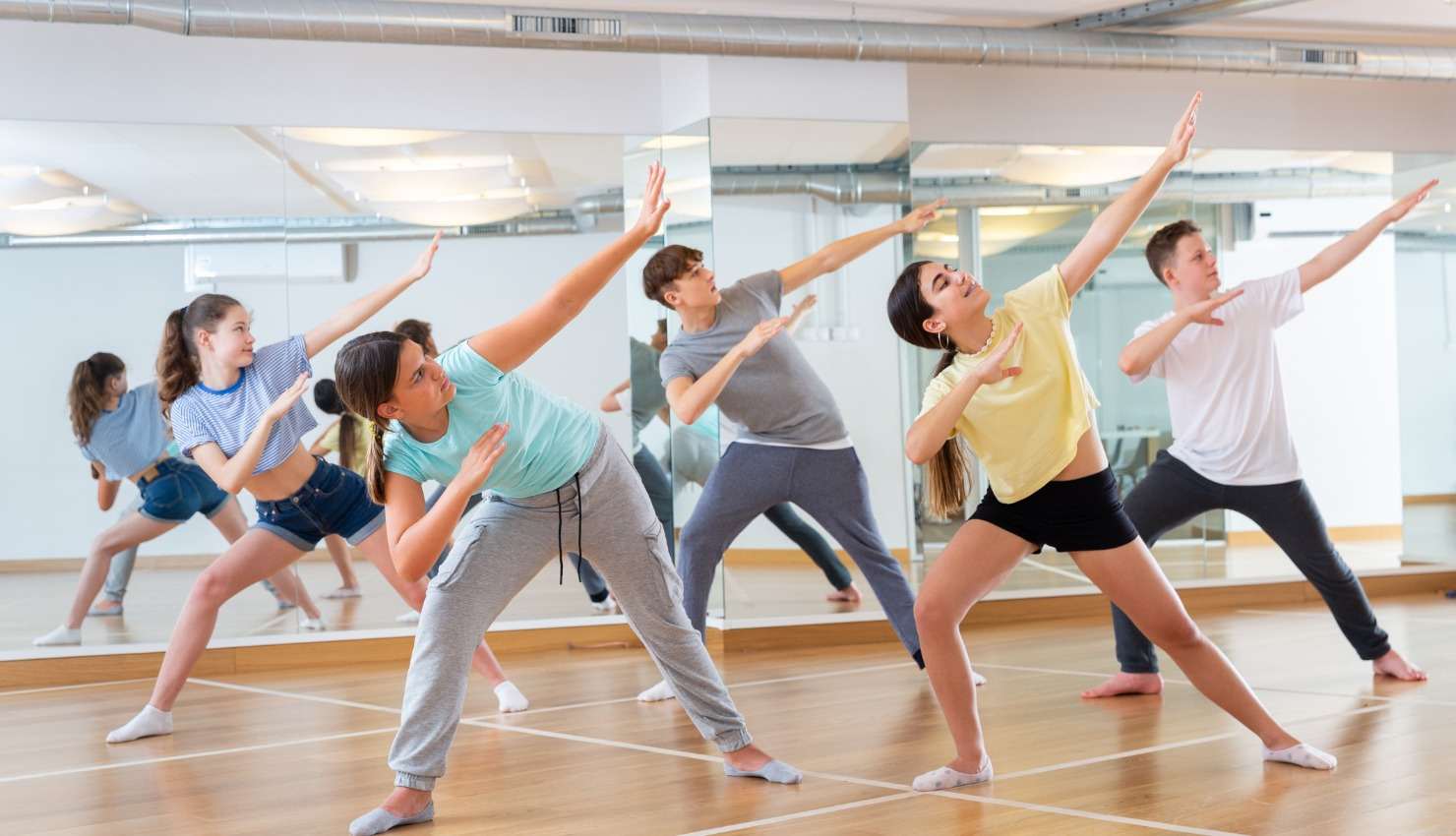
Unlike generic sports injuries, dance injuries often involve:
Repetitive microtrauma
High flexibility and range of motion
Unilateral loading (e.g., turns, leaps)
Artistic demands alongside physical limits
A physiotherapist with dance-specific knowledge understands these nuances and tailors treatment accordingly.
? Ways Physiotherapy Speeds Up Healing
1. Immediate Pain and Inflammation Control
Early intervention focuses on reducing pain and swelling through:
Ice therapy and manual lymphatic drainage
Taping techniques for support
Electrotherapy (e.g., ultrasound, TENS)
This creates a healing-friendly environment and helps maintain mobility in surrounding joints.
2. Targeted Manual Therapy
Hands-on techniques such as:
Myofascial release
Joint mobilization
Soft tissue massage
These restore mobility, reduce tension in overworked muscles, and prevent scar tissue from limiting motion.
3. Safe, Early Movement and Activation
Instead of complete rest, physiotherapy encourages gentle, pain-free movement to:
Maintain circulation
Prevent stiffness
Begin rebuilding muscle control
For example, gentle theraband exercises or isometric holds may be introduced early to keep muscles engaged.
4. Customized Rehabilitation Plan
Each injury is unique, and so is the dancer. Physiotherapists build a progressive plan that includes:
Functional strength training for injured and surrounding areas
Balance and proprioception work (essential for turns and landings)
Stretching and mobility drills to prevent compensatory issues
5. Correcting the Root Cause
Physiotherapists assess the dancers:
Technique (e.g., poor alignment during jumps)
Footwear
Training volume and rest
Muscle imbalances
Addressing these factors helps prevent recurrence and supports faster, long-term recovery.
6. Guided Return-to-Dance Protocol
A phased return ensures healing isnt rushed:
Phase 1: Barre-only work or low-load technique drills
Phase 2: Controlled center work, jumps, or turns
Phase 3: Full choreography, performance-level load
Physiotherapists monitor load tolerance and modify exercises to reduce reinjury risk.
7. Mental and Emotional Support
Physiotherapy isnt just physical it helps dancers build confidence after injury, manage performance anxiety, and stay motivated through setbacks.
?? Common Dance Injuries Treated with Physiotherapy:
Ankle sprains and instability
Achilles or patellar tendinitis
Hip impingement or snapping hip syndrome
Lower back strain
Stress fractures (foot, shin, femur)
Hamstring and groin strains