Healing from Overuse Injuries in Dance with Physiotherapy explores targeted strategies for recovery. Discover new paths to mobility, healing, and personalized care.

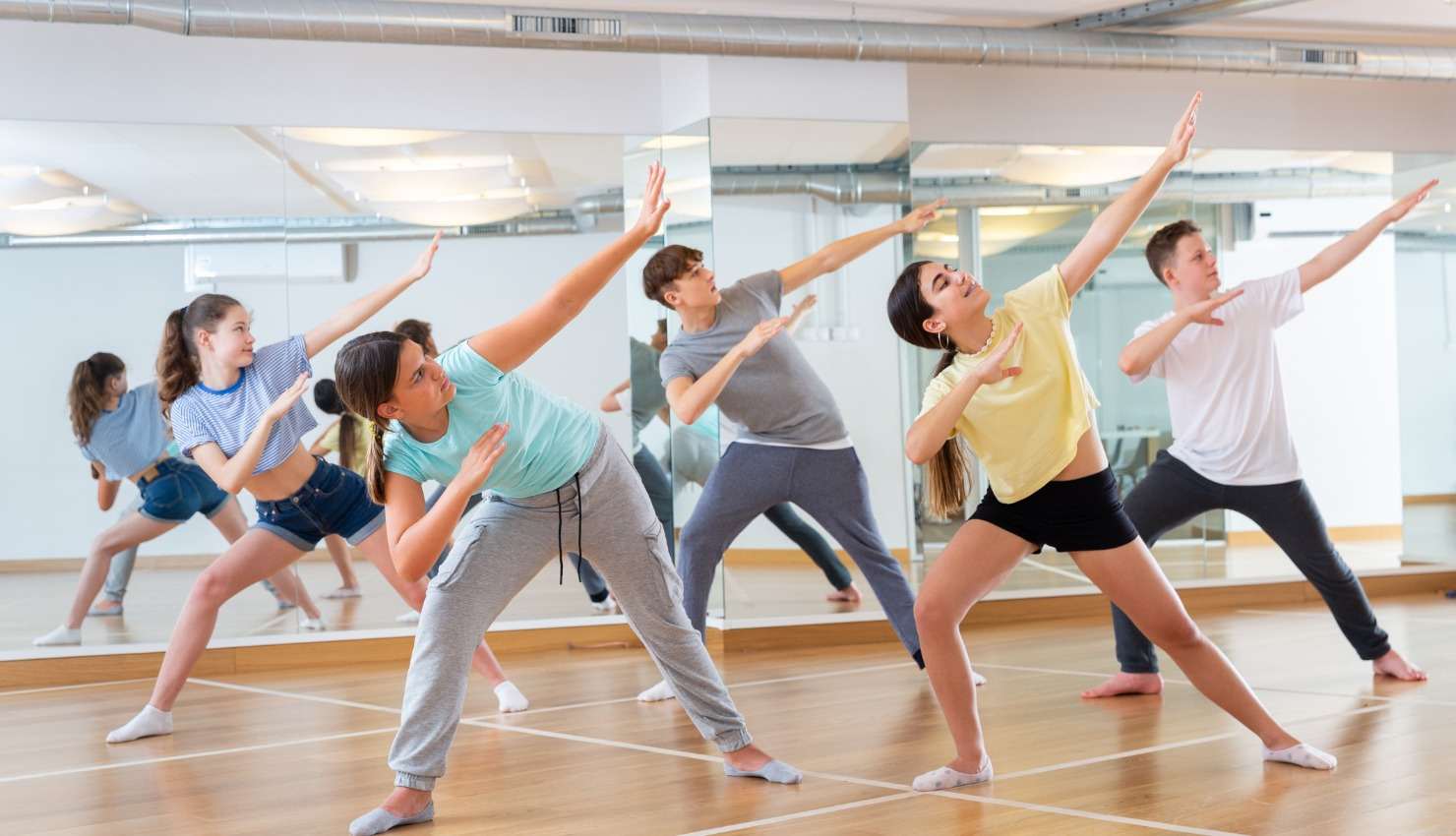
Dancers are passionate, disciplined, and often driven to push their physical limits. But the repetitive nature of dance especially without adequate rest makes overuse injuries all too common. These injuries develop gradually and, if left unaddressed, can threaten both performance and career longevity. Physiotherapy offers a structured, science-backed path to healing and long-term resilience.
?? What Are Overuse Injuries in Dance?
Overuse injuries occur when repeated stress is placed on muscles, tendons, bones, or joints without enough time for recovery. Unlike acute injuries (like a sprained ankle), overuse injuries develop slowly and may go unnoticed until they interfere with movement.
Common overuse injuries in dancers:
Tendinitis (e.g., Achilles, patellar, hip flexor)
Stress fractures (metatarsals, tibia)
Shin splints
Plantar fasciitis
Lower back strain
Snapping hip syndrome
?? How Physiotherapy Supports Healing
1. Accurate Assessment and Diagnosis
Physiotherapists begin by:
Identifying the source and severity of the injury
Analyzing dance technique, posture, and load distribution
Spotting compensatory movement patterns that worsen the injury
? Early detection prevents chronic progression and ensures the correct treatment plan.
2. Rest Without Complete Inactivity
Physiotherapy encourages active recovery, not complete rest. Dancers are guided on:
Modified training to maintain strength and flexibility
Avoiding movements that aggravate the injury
Gradual reintroduction to full activity under supervision
? Keeps the dancer engaged and conditioned while healing.
3. Manual Therapy and Modalities
To reduce pain and improve healing, physiotherapists may use:
Massage and soft tissue release
Joint mobilization
Dry needling or trigger point therapy
Ultrasound or electrical stimulation (as needed)
? These techniques help reduce inflammation, promote blood flow, and restore mobility.
4. Individualized Rehabilitation Exercises
Strengthening and mobility exercises are tailored to:
Restore balance between muscle groups
Improve stability in the hips, ankles, and core
Correct biomechanical issues contributing to overuse
Examples:
Isometric loading for tendinopathies
Hip strengthening for turnout control
Calf and foot exercises for dancers en pointe
? Gradual, specific loading helps rebuild resilience in injured tissues.
5. Technique Correction and Load Management
A key part of healing is preventing recurrence. Physiotherapists:
Analyze dance-specific movement (e.g., turnout, landing mechanics)
Advise on reducing training volume, intensity, and frequency
Coordinate with dance teachers for safe modifications
? Dancers learn how to listen to their bodies and adjust training before pain becomes injury.
6. Education and Return-to-Dance Planning
Recovery doesnt end when pain disappears. Physiotherapists provide:
A clear return-to-dance timeline
Tips for warming up, cooling down, and cross-training
Injury prevention strategies for long-term health
? Dancers return smarter, stronger, and more in tune with their bodies.
????? Additional Tips for Dancers with Overuse Injuries
Dont ignore early symptoms (e.g., soreness that lingers or worsens)
Prioritize rest and sleep healing requires recovery time
Stay hydrated and fuel properly to support tissue repair
Include regular check-ins with your physiotherapist, even after recovery
? Benefits of Using Physiotherapy for Overuse Injury Recovery
Faster, safer return to dance
Reduced risk of chronic pain or reinjury
Enhanced strength, technique, and body awareness
Personalized care, not one-size-fits-all