Working from home often means long hours in front of a screen, usually in less-than-ideal setups. Without proper ergonomics, this can lead to neck stiffness, back pain, wrist strain, and general fatigue. The good news? A few smart adjustments and daily habits can keep your body pain-free and energized.

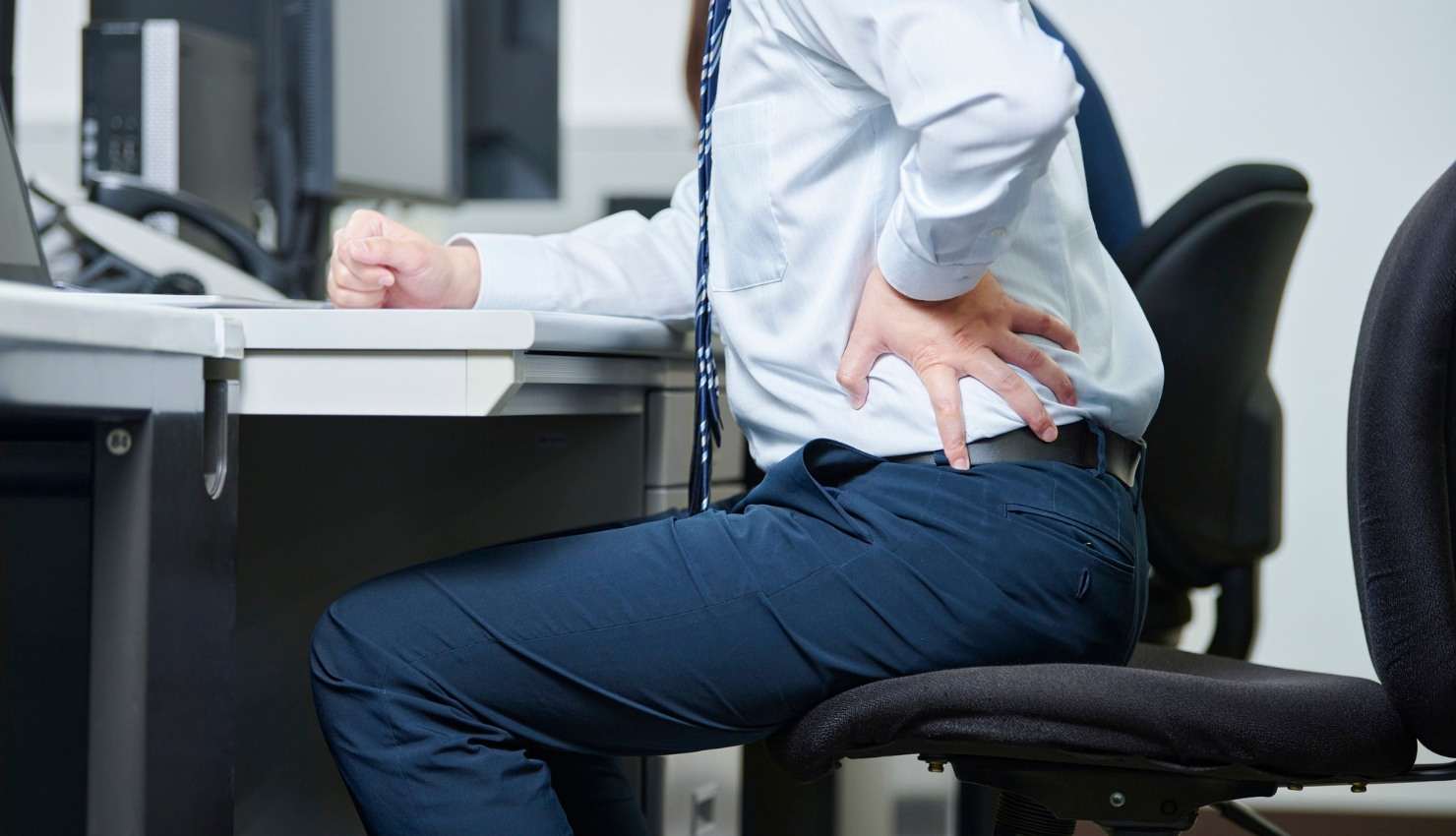
Working from home often means long hours in front of a screen, usually in less-than-ideal setups. Without proper ergonomics, this can lead to neck stiffness, back pain, wrist strain, and general fatigue. The good news? A few smart adjustments and daily habits can keep your body pain-free and energized.
Heres how to optimize your home office for comfort and health:
?? What Is Ergonomics (and Why It Matters)?
Ergonomics is the science of designing your workspace to fit your body not the other way around.
Good ergonomic design helps:
Prevent musculoskeletal pain (back, neck, shoulders, wrists)
Reduce fatigue and eye strain
Boost focus and productivity
Support long-term health in a sedentary job
?? Ergonomic Setup Essentials
1. The Chair: Support First
Use a chair with lumbar support or add a cushion behind your lower back
Sit with feet flat, knees at hip level or slightly lower
Avoid slouching or perching on the edge
?? No ergonomic chair? Use a pillow and footrest to mimic one.
2. Desk and Screen Position
Monitor at eye level (top of screen at or just below your eyes)
Arms length away from your face
If using a laptop, add an external keyboard and raise the screen
?? Stack books or use a monitor riser to avoid tech neck.
3. Keyboard and Mouse Placement
Keep them at or slightly below elbow height
Wrists should be neutral, not bent up or down
Use a wrist rest if needed, or a soft folded towel
??? Position close to your body avoid overreaching.
4. Lighting and Eye Comfort
Position your screen away from glare
Use natural light + soft desk lighting
Follow the 20-20-20 rule: every 20 mins, look 20 feet away for 20 seconds
?? This reduces digital eye strain and headaches.
?? Movement Is Key: Breaks and Micro-Stretches
Even a perfect setup can’t save you if you stay still too long. Movement is your bodys best defense against pain.
Every 3060 minutes:
Stand up and walk
Do neck rolls, shoulder shrugs, and spinal twists
Stretch hip flexors, wrists, and calves
?? Set a reminder or use a break timer app like Stretchly or Stand Up