Hormonal Health explores targeted strategies for recovery. Discover new paths to mobility, healing, and personalized care.

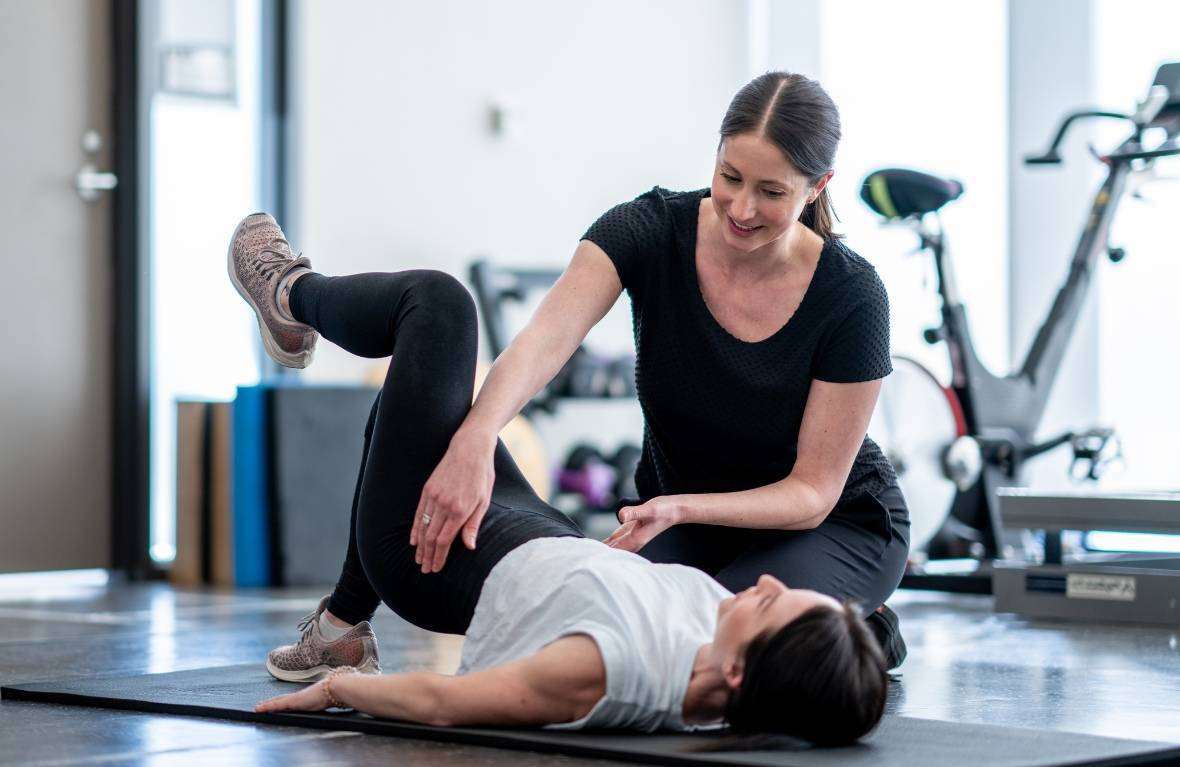
Menstrual pain, also known as dysmenorrhea, affects a significant number of women worldwide. For many, the monthly discomfort can range from mild inconvenience to severe pain that disrupts daily activities. While medication often provides temporary relief, physiotherapy offers a holistic approach that not only eases menstrual pain but also supports long-term hormonal health.
If menstrual cramps have become a regular part of your life, understanding how physiotherapy can help might change your experience with your cycle for the better.
What Causes Menstrual Pain?
Menstrual pain results from contractions of the uterus as it sheds its lining during menstruation. These contractions are driven by hormone-like substances called prostaglandins. Higher levels of prostaglandins can cause stronger contractions, leading to cramping pain.
Other factors contributing to menstrual pain include:
Muscle tension in the lower back and pelvic area
Poor posture
Pelvic floor dysfunction
Inflammation or underlying medical conditions
Addressing these physical factors is where physiotherapy becomes a valuable ally.
How Physiotherapy Alleviates Menstrual Pain
Physiotherapy focuses on both symptom relief and improving the function of the body systems involved in menstrual health. Heres how:
1. Manual Therapy for Muscle Relaxation
Techniques such as myofascial release and soft tissue mobilization help relax tight muscles around the pelvis and lower back. This reduces muscle spasms and improves blood flow, which can decrease pain intensity.
2. Pelvic Floor Rehabilitation
An overactive or tense pelvic floor can worsen menstrual cramps. Physiotherapists assess pelvic floor muscle function and provide targeted exercises to promote relaxation or strengthen the muscles as needed, balancing pelvic health.
3. Postural Correction
Poor posture can increase strain on the lower back and pelvic area, intensifying menstrual pain. Physiotherapy helps correct postural imbalances through exercises and ergonomic advice, reducing unnecessary pressure on sensitive areas.
4. Exercise Prescription
Regular, gentle exercise can reduce menstrual pain by promoting circulation and releasing endorphins, natural pain relievers. Physiotherapists design personalized workout plans that suit your cycle phase and fitness level, ensuring you stay active without exacerbating symptoms.
5. Education and Self-Management Techniques
Physiotherapists teach breathing exercises, relaxation techniques, and self-massage methods to help manage pain at home. Empowering you with these tools supports independence and improves your pain management strategies.
Benefits Beyond Pain Relief
By addressing the musculoskeletal and pelvic components of menstrual health, physiotherapy also contributes to:
Reduced severity and frequency of cramps over time
Improved hormonal balance through stress reduction
Enhanced physical function and quality of life
Better awareness and understanding of your bodys needs
When to Consider Physiotherapy for Menstrual Pain
If menstrual cramps interfere with your daily life despite medication, or if you experience additional symptoms like pelvic pain, back pain, or urinary issues, consulting a physiotherapist can provide tailored relief.
Early intervention can prevent chronic pain patterns and improve your relationship with your menstrual cycle.
Final Thoughts
Menstrual pain is common but not something you have to simply endure. Physiotherapy offers a comprehensive, natural way to ease discomfort and support your hormonal and physical health throughout your cycle.
With targeted treatment and self-care education, physiotherapy empowers you to take control of your menstrual pain and improve your overall well-being.