How a Physiotherapist Can Enhance Your Dance Technique explores targeted strategies for recovery. Discover new paths to mobility, healing, and personalized care.

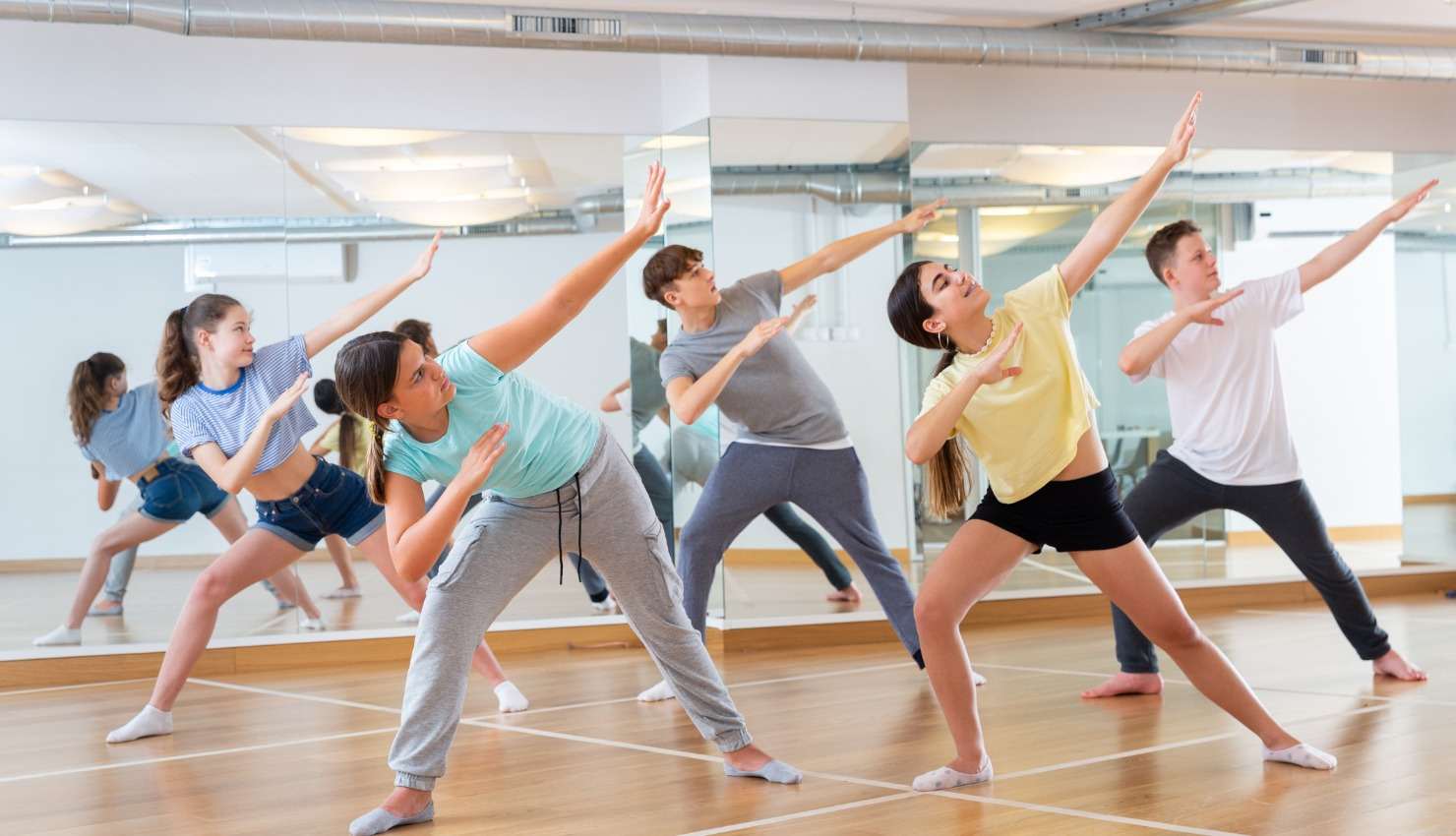
Dancers are not only athletes but artists, pushing their bodies to the limits in pursuit of beauty, precision, and expression. While technique is often refined in the studio under the guidance of choreographers and instructors, physiotherapists play a criticalyet often overlookedrole in enhancing dance technique.
From posture to performance quality, heres how a physiotherapist can take your dance to the next level:
1. Identifying and Correcting Biomechanical Errors
Even the most experienced dancers can develop subtle movement compensationslike uneven turnout, pronated feet, or hyperextended knees. A physiotherapist uses biomechanical assessments and movement analysis to pinpoint these issues.
?? Example: A dancer struggling with balance in arabesque may actually have a weak gluteus medius or restricted thoracic mobility.
? Benefit: Technique is refined from the inside out, leading to safer and more efficient movement.
2. Enhancing Core Stability and Postural Control
A strong, stable core is essential for controlled turns, graceful extensions, and injury prevention. Physiotherapists prescribe targeted core strengthening exercises tailored to a dancers needsnot just abs, but deep stabilizers like the transverse abdominis and multifidus.
? Benefit: Improved balance, alignment, and control in all technical movements.
3. Increasing Flexibility Without Sacrificing Stability
Many dancers chase flexibility without realizing that overstretching can lead to joint instability. Physiotherapists ensure that flexibility gains are balanced with strength and control, using:
Safe stretching protocols
Joint stabilization techniques
Dynamic mobility work
? Benefit: Greater range of motion that supports technique without risking injury.
4. Improving Proprioception and Neuromuscular Coordination
Proprioceptionyour bodys awareness of where it is in spaceis crucial for precise, clean technique. Physiotherapists use balance tools, mirror feedback, and neuromuscular retraining to sharpen this skill.
?? Especially helpful for:
Clean landings from jumps
Spotting in turns
Maintaining turnout during transitions
? Benefit: Smoother, sharper, and more confident movement.
5. Optimizing Muscle Balance and Symmetry
Repetitive training can create asymmetries in the body (e.g., one hip tighter than the other, dominant-side turns stronger). A physiotherapist identifies and corrects these through:
Muscle activation drills
Unilateral strengthening
Targeted stretching
? Benefit: Symmetrical movement and reduced risk of technical breakdowns during complex routines.
6. Technique-Specific Performance Conditioning
Physiotherapists dont just treat painthey help dancers build specific strength and endurance for technical elements:
Improve elevation in jumps
Build turnout endurance
Enhance ankle and toe control for pointe work
Customized training programs complement studio technique classes without interfering with artistry.
? Benefit: Longer-lasting, higher-quality technical execution.
7. Preventing and Managing Micro-Injuries
Small injuriestight hamstrings, shin splints, hip pinchingcan quietly degrade technique. A physiotherapist helps dancers recognize and address these issues early, ensuring clean movement remains possible.
? Benefit: Sustained technical excellence and longer performance careers.