How Acupuncture Can Help with Arthritis and Joint Pain explores targeted strategies for recovery. Discover new paths to mobility, healing, and personalized care.

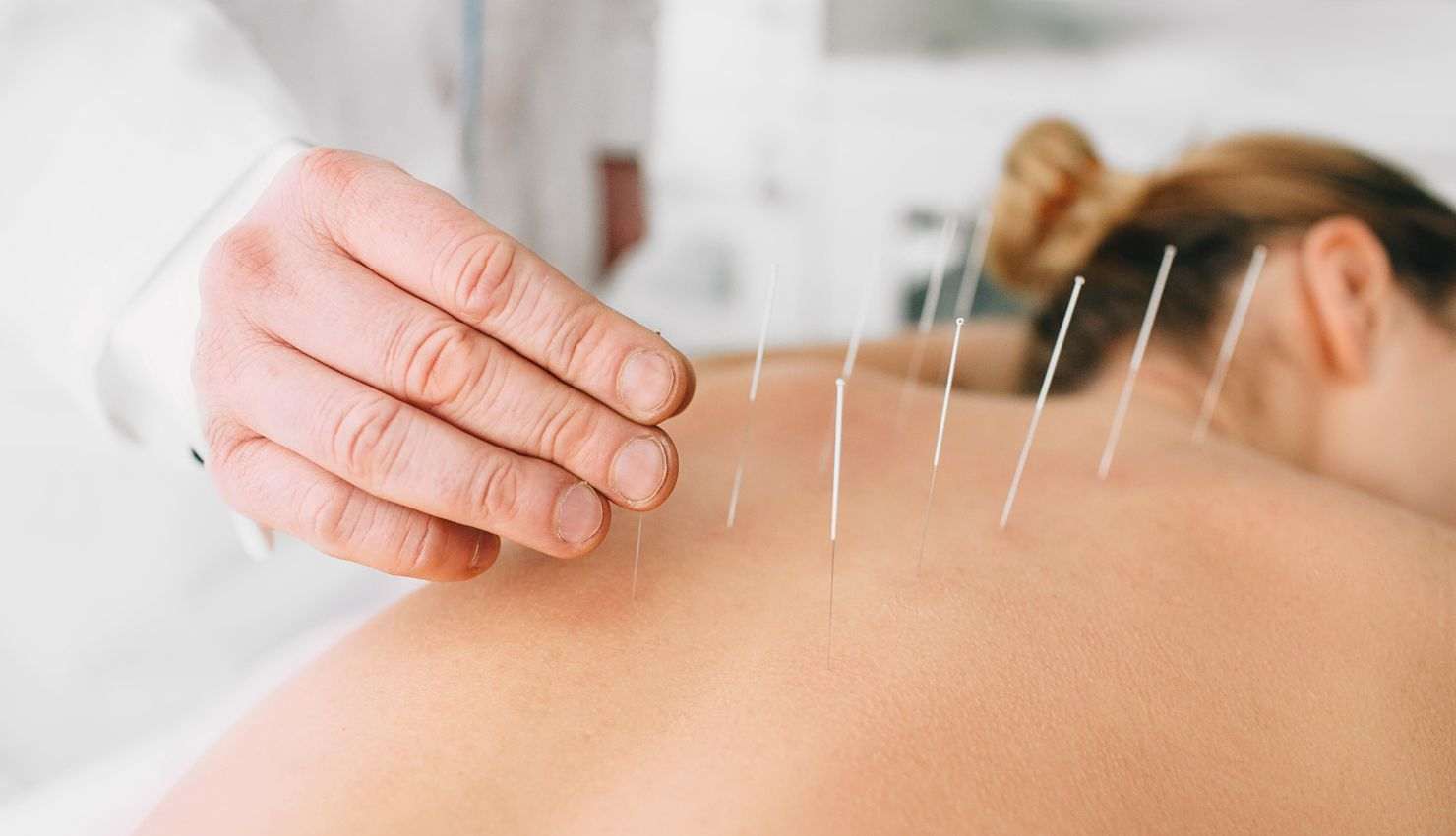
Arthritis and joint pain can dramatically impact daily life, making even the simplest activities feel difficult or painful. Whether caused by osteoarthritis, rheumatoid arthritis, or injury-related wear and tear, joint discomfort often leads to stiffness, swelling, and reduced mobility. While medications may offer temporary relief, many people seek longer-term, natural solutions without the risk of side effects. Acupuncturean ancient healing art rooted in Traditional Chinese Medicine (TCM)provides a safe, effective, and drug-free option for managing arthritis and joint pain.
By reducing inflammation, relieving pain, and improving circulation, acupuncture helps restore joint function and supports the bodys natural healing abilities.
Understanding Arthritis and Joint Pain
Arthritis is a broad term for inflammation of the joints. The most common types include:
Osteoarthritis (OA): A degenerative condition caused by cartilage breakdown due to age, injury, or overuse.
Rheumatoid arthritis (RA): An autoimmune disorder where the immune system attacks joint tissues.
Post-traumatic arthritis: Joint damage caused by injury that leads to long-term inflammation and stiffness.
Common symptoms of arthritis include:
Joint pain and tenderness
Swelling and warmth
Morning stiffness
Decreased range of motion
Fatigue and low energy
While conventional medicine often recommends NSAIDs, corticosteroids, or joint replacement surgery, acupuncture offers a complementary and holistic approach that focuses on pain reduction and functional restoration.
How Acupuncture Works for Joint Pain
Acupuncture involves inserting fine needles into specific points on the bodycalled acupointsto stimulate the flow of Qi (vital energy) and blood through meridians, the bodys energy pathways. In TCM, joint pain is often caused by stagnation of Qi and blood due to cold, dampness, wind, or internal imbalance.
Modern science offers several explanations for how acupuncture relieves joint pain:
Reduces inflammation by regulating immune response and decreasing inflammatory markers
Stimulates endorphins, serotonin, and other natural pain-relieving chemicals
Improves circulation to joints and surrounding tissues
Relaxes muscles and connective tissue that may be contributing to joint tension
Modulates nerve pathways involved in pain perception
Key Benefits of Acupuncture for Arthritis
1. Pain Reduction Without Drugs
One of acupunctures most immediate benefits is pain relief. By interrupting pain signals and releasing the bodys natural analgesics, it provides effective relief without the side effects of pain medications.
2. Decreased Swelling and Inflammation
Inflamed joints often feel swollen and hot to the touch. Acupuncture has an anti-inflammatory effect, helping to calm the immune system and reduce joint swelling.
3. Increased Joint Mobility
As pain decreases and circulation improves, joints become less stiff. Acupuncture helps restore range of motion and function, making daily tasks more manageable.
4. Improved Sleep and Energy
Chronic joint pain often interferes with sleep and drains energy. Acupuncture calms the nervous system, improves rest, and supports energy flow throughout the body.
5. Supports Long-Term Management
Regular acupuncture can slow the progression of joint degeneration and help prevent future flare-ups by keeping energy systems balanced and inflammation in check.
Commonly Treated Joint Conditions
Acupuncture is used to support people living with:
Knee osteoarthritis
Rheumatoid arthritis in hands and feet
Shoulder pain and frozen shoulder
Hip pain and stiffness
Neck and spine-related joint pain
Elbow pain (e.g., tennis elbow)
Ankle and wrist joint inflammation
Its also effective for joint pain due to aging, repetitive strain, or past injuries.
What to Expect During Acupuncture Treatment
Your treatment will begin with a detailed consultation covering:
Your joint pain symptoms
Daily function and mobility challenges
Overall physical and emotional health
During the session:
Fine needles are inserted into targeted acupoints near and far from the painful joints
You will rest for 2040 minutes while the needles take effect
Additional techniques like moxibustion, electroacupuncture, or cupping may be used to enhance results
The process is typically painless, with most patients experiencing relaxation or mild tingling. Relief may be noticeable after the first session, but chronic cases usually benefit from a series of treatments.
Complementary Self-Care for Joint Health
For best results, acupuncture should be part of a broader joint care routine. Your acupuncturist may recommend:
Gentle movement, such as tai chi or yoga, to keep joints mobile
Warm compresses instead of ice to increase circulation
Anti-inflammatory diet rich in whole foods, omega-3s, and antioxidants
Joint-supportive supplements like turmeric, glucosamine, or collagen (as advised)
Stress management through breathwork or meditation
These practices reinforce the effects of acupuncture and support long-term joint health.
Clinical Research on Acupuncture for Arthritis
Numerous studies support acupunctures effectiveness in managing arthritis and joint pain:
A study published in Arthritis & Rheumatology found that acupuncture significantly reduced pain and improved function in people with knee osteoarthritis.
Research shows acupuncture is as effective as NSAIDs in treating chronic joint painwith fewer side effects.
In patients with rheumatoid arthritis, acupuncture was shown to reduce swelling, morning stiffness, and inflammatory markers like CRP.
These findings validate acupuncture as a clinically useful and well-tolerated option for joint pain management.
Final Thoughts
Arthritis and joint pain dont have to limit your life. Acupuncture provides a natural, time-tested solution that supports the bodys ability to reduce pain, improve mobility, and heal at the root level. By promoting circulation, balancing energy, and calming inflammation, acupuncture helps you move more freely, feel stronger, and return to the activities you enjoy.
Whether used alone or alongside other treatments, acupuncture empowers you to take an active, holistic role in managing arthritisand in reclaiming your comfort, flexibility, and confidence.