Youve completed your physiotherapy sessionyour muscles are stretched, your joints are mobilized, and your body is slowly rebuilding strength. But what happens next? Your tissues are hard at work repairing, rebalancing, and restoring.

Youve completed your physiotherapy sessionyour muscles are stretched, your joints are mobilized, and your body is slowly rebuilding strength. But what happens next? Your tissues are hard at work repairing, rebalancing, and restoring. And theres one key player behind the scenes making it all possible: circulation.
Good circulation is vital for healing. It delivers oxygen, nutrients, and immune support to tissues that need repairand flushes away waste and inflammation. If your blood flow is sluggish, healing slows down. Thats where acupuncture comes in as a powerful, natural ally.
Lets dive into how acupuncture helps boost circulation and why its such a smart follow-up to your physiotherapy treatment.
?? Why Circulation Matters After Physiotherapy
After physiotherapy, your body enters a recovery phase:
Muscles may be sore or inflamed
Tissues need nutrients and oxygen to repair
Metabolic waste (like lactic acid) needs to be cleared
Capillaries and lymph vessels need stimulation
Without healthy circulation, this recovery process stalls. You may feel stiff, swollen, fatiguedor just slower to bounce back. Acupuncture helps support and enhance your bodys natural healing rhythm.
?? How Acupuncture Improves Circulation
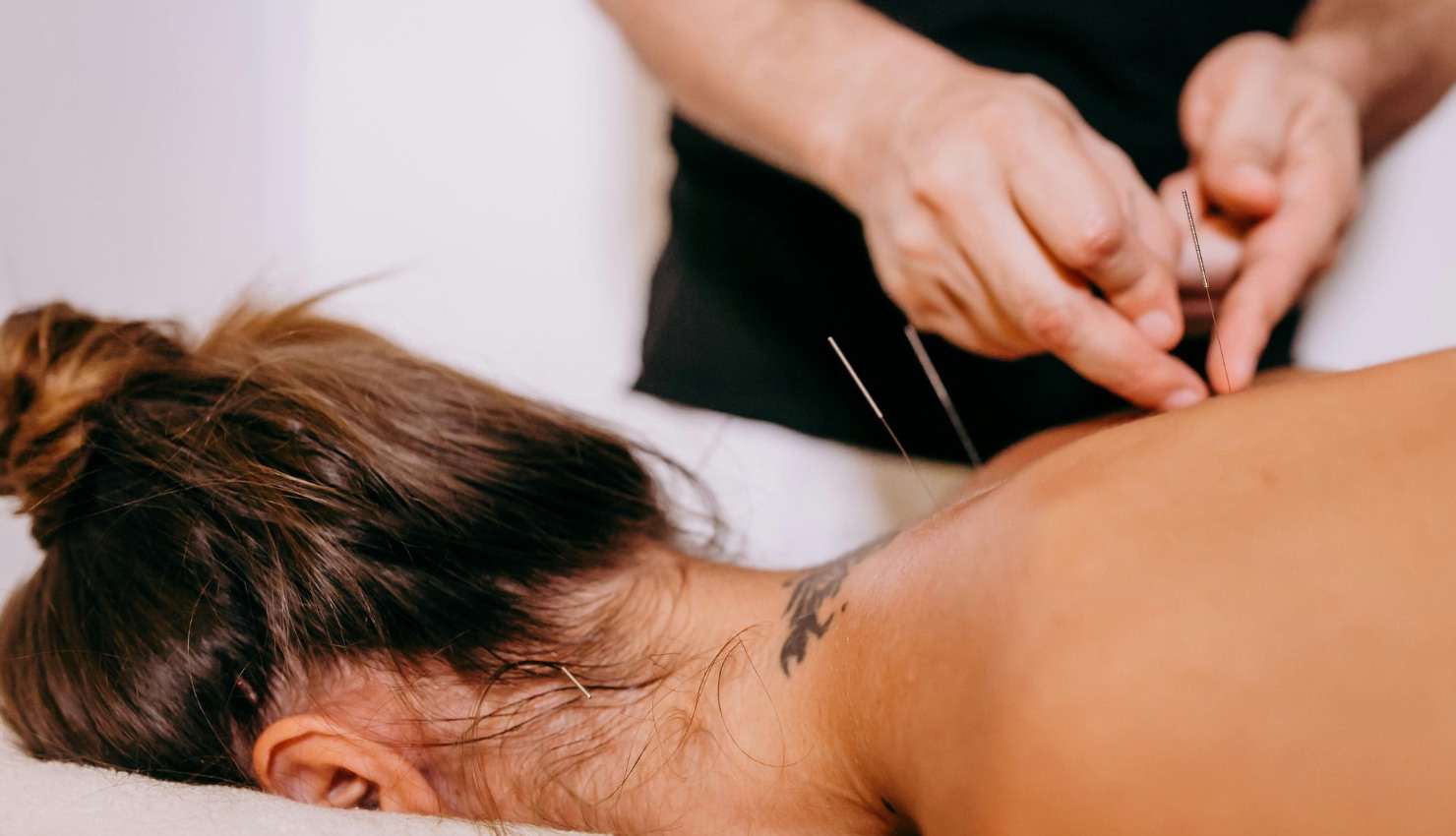
Acupuncture involves inserting ultra-fine needles at specific points on the body to stimulate healing and balance. Its not just about “energy flow” in the traditional senseit has real, physiological effects on your cardiovascular and lymphatic systems.
Heres how it works:
?? 1. Promotes Vasodilation (Wider Blood Vessels)
Acupuncture signals your nervous system to release nitric oxide, a compound that helps dilate blood vessels. This allows blood to flow more freely, especially to areas that may have been restricted due to injury, inflammation, or muscle tightness.
?? 2. Enhances Microcirculation in Local Tissues
Inserting needles near injured or treated areas increases blood flow to the tiny vessels (capillaries) that nourish muscles and soft tissue. This is especially helpful for:
Healing scars or surgical sites
Repairing damaged tendons or ligaments
Loosening stiff, undernourished muscles
?? 3. Supports Lymphatic Drainage
The lymphatic system is your bodys waste removal network. Acupuncture stimulates it gently, helping to clear out cellular debris, reduce swelling, and prevent fluid buildupespecially helpful after intense physiotherapy or injury rehab.
?? 4. Reduces Inflammation Naturally
Better blood flow helps reduce inflammatory markers and promotes the movement of white blood cells to where theyre needed. The result? Less pain, less stiffness, and faster recovery.
?? 5. Regulates the Nervous System
A stressed-out nervous system restricts circulation. Acupuncture activates the parasympathetic (rest-and-digest) system, calming your body and encouraging smooth, steady blood flow. That means your body shifts into healing mode more efficiently.
?? Which Conditions Benefit Most?
Acupuncture is especially effective at improving circulation in:
Post-operative recovery (joint replacements, muscle repairs)
Sports injuries (strains, sprains, bruises)
Chronic pain syndromes
Neuromuscular conditions
Areas of reduced mobility and stiffness
Cold extremities or poor local circulation (hands, feet)
If youre working with a physiotherapist, acupuncture can help ensure all that hard work continues to pay off between sessions.
????? What to Expect During Treatment
Your acupuncturist will assess your circulation, pain areas, and muscle condition
Needles may be placed near the injured site, but also at distal points (like hands, feet, or legs) to promote systemic flow
Sessions last 2040 minutes and are typically relaxingyou may even feel a warm, tingling sensation as circulation increases
Some clinics combine acupuncture with cupping, moxibustion, or electroacupuncture for added benefit
? Final Thoughts: Let Your Body Flow Naturally
After physiotherapy, your body wants to healit just needs the right support. Acupuncture gives your circulation the nudge it needs to fuel recovery, reduce stiffness, and keep your healing on track.
When paired with the physical structure and movement work of physiotherapy, acupuncture completes the pictureworking from the inside out to get you back to feeling your best.
?? Want to Support Your Recovery Naturally?
Ask your physiotherapist or a licensed acupuncturist about creating a treatment plan that supports both movement and circulation. Because healing isnt just about doing the right exercisesits about helping your body thrive in every way.