How Acupuncture Can Improve Mobility and Joint Function explores targeted strategies for recovery. Discover new paths to mobility, healing, and personalized care.

Mobility is more than the ability to moveits the foundation of independence, comfort, and confidence in your body. When joint stiffness, swelling, or chronic pain begin to limit how you move, even simple tasks like climbing stairs, reaching overhead, or getting out of bed can become challenging.
While medications and surgeries are often used to address mobility issues, acupuncture offers a natural, non-invasive, and effective path to restore flexibility, joint function, and range of motion. At YourFormSux (YFS), we use acupuncture to activate the bodys innate healing systems, target the root of dysfunction, and help you reclaim ease in movement.
This blog explores how acupuncture supports joint health, improves mobility, and enhances overall movementwithout relying on drugs or invasive procedures.
Understanding Joint Dysfunction
Joints allow bones to move freely and absorb impact. When healthy, joints move smoothly with the help of:
Synovial fluid for lubrication
Cartilage for cushioning
Ligaments and tendons for stability and support
Muscles for control and power
But over timeor after injurythese systems may become impaired due to:
Osteoarthritis or rheumatoid arthritis
Repetitive strain or overuse
Inflammation and swelling
Post-surgical stiffness
Muscular imbalances or postural issues
Lack of movement or prolonged sitting
This leads to reduced range of motion, pain, stiffness, and weakness.
How Acupuncture Helps Restore Mobility
Acupuncture works by stimulating specific points along meridiansthe energetic pathways that connect internal organs with muscles, joints, and tissues. These points influence blood flow, nerve activity, immune response, and muscle coordination.
Heres how acupuncture improves joint and mobility function:
1. Reduces Inflammation and Swelling
Inflammation in the joints causes pain and limits mobility. Acupuncture helps by:
Reducing pro-inflammatory cytokines
Increasing circulation to flush out waste and fluid
Boosting the lymphatic system to remove cellular debris
Easing heat and swelling in affected areas
This is especially beneficial in arthritis or post-injury stiffness.
2. Increases Local Blood Flow
Acupuncture improves microcirculation around joints and tissues:
Nourishes cartilage and synovial membranes
Delivers oxygen and nutrients to ligaments and tendons
Accelerates tissue repair in post-operative recovery
Supports joint hydration and fluid movement
Better blood flow means healthier joint function and reduced degeneration.
3. Relaxes Tight Muscles and Fascia
Restricted mobility often stems from muscular guarding or fascia that has become rigid. Acupuncture:
Releases tension in deep muscle layers
Softens fascia to restore flexibility
Relieves compensatory tightness in surrounding areas
Helps re-pattern movement habits
This enhances both passive (stretch-based) and active (movement-based) mobility.
4. Improves Neuromuscular Coordination
Mobility isnt just structuralits neurological. Acupuncture:
Modulates nerve signals to reduce pain perception
Enhances proprioception (body awareness)
Encourages more fluid and efficient movement patterns
Helps retrain muscles post-injury or post-surgery
Clients often report feeling more connected to their body after sessions.
Meridians Related to Joint Health and Mobility
According to Traditional Chinese Medicine (TCM), joint issues are seen as stagnation of Qi and Blood. When energy becomes stuck, tissues become stiff, painful, and weak.
Key meridians involved in joint and movement health include:
Gallbladder Meridian Associated with the hips, IT bands, shoulders, and lateral movement
Stomach Meridian Supports knees and front-of-body movement
Bladder Meridian Affects spinal flexibility and hamstring tension
Liver Meridian Governs tendons and flexibility
Kidney Meridian Influences bone strength and lower back mobility
By stimulating these meridians, acupuncture unlocks energy in restricted areas and brings balance to movement systems.
Common Conditions Treated
At YFS, acupuncture is often used for:
Arthritis (OA and RA)
Post-surgical recovery (joint replacements, arthroscopies)
Frozen shoulder (adhesive capsulitis)
Tendonitis or bursitis
Hip, knee, ankle, or wrist pain
Neck and back stiffness
Sports injuries or repetitive strain
Treatment is tailored to your diagnosis, range of motion limitations, pain triggers, and overall body pattern.
What to Expect in a Session
Your mobility-focused acupuncture session will include:
A detailed assessment of movement restrictions and joint health
Tongue and pulse diagnosis for TCM insight
Manual palpation to detect muscle and fascia tension
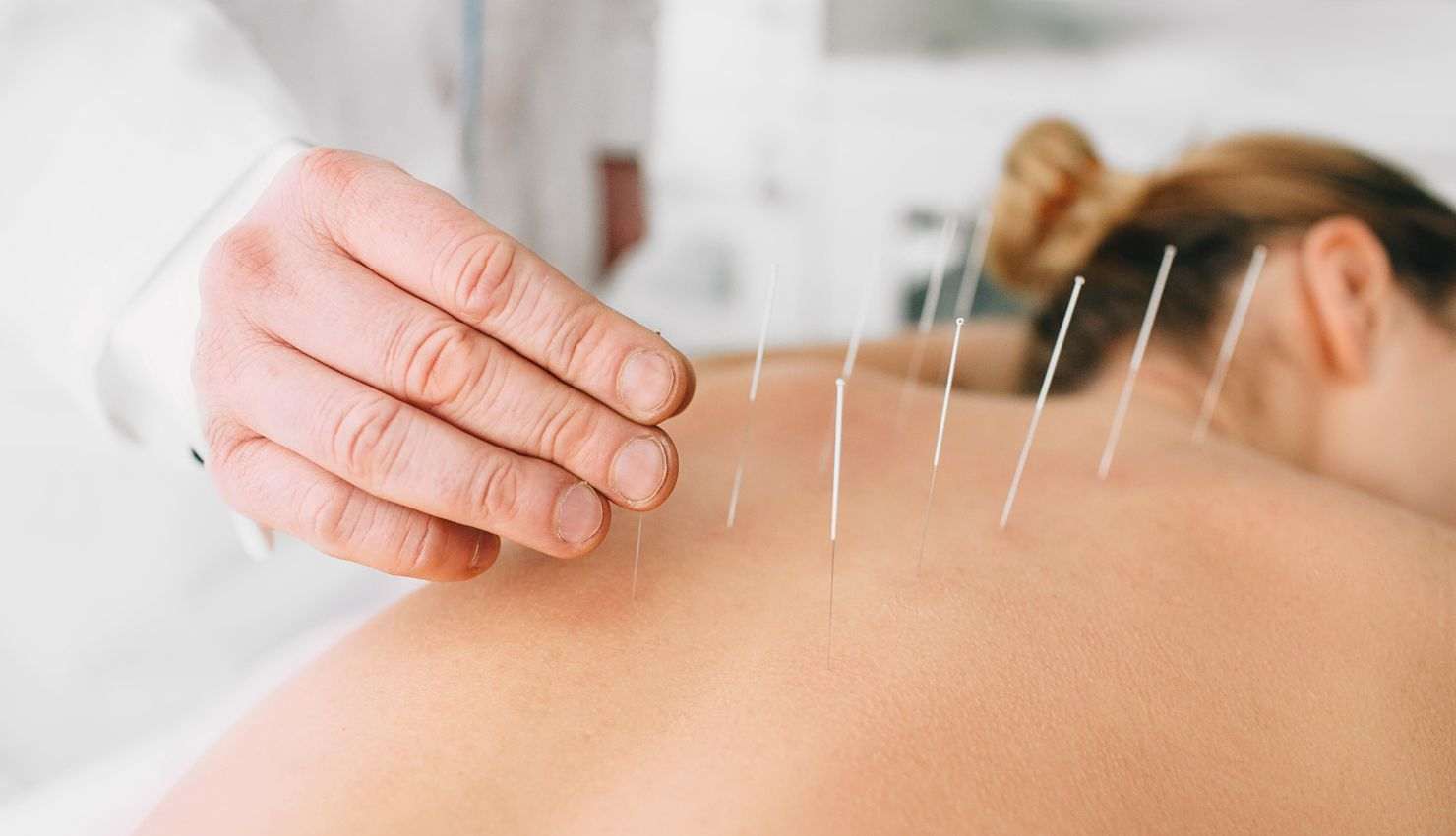
Needle placement to release tightness and restore flow
Optional cupping or Gua Sha to release stagnation
Movement guidance or breath cues for integration
Many clients feel increased range of motion immediately after a session, with progressive improvements over time.
Integrating Acupuncture with Physiotherapy
At YFS, we often combine acupuncture with physiotherapy for maximum impact. While physiotherapy focuses on strengthening, stretching, and retraining movement, acupuncture:
Accelerates healing
Reduces pain so you can participate more fully in movement therapy
Improves energy and coordination for better long-term results
Prepares tissues for manual therapy or rehabilitation work
This integrative approach offers a comprehensive path to recovery and performance.
Mobility Gains Without Medication
Unlike medications that only mask symptoms, acupuncture:
Addresses the root cause of movement restriction
Avoids side effects or dependency
Supports the entire joint system (bones, cartilage, muscles, nerves)
Enhances the bodys ability to heal, rebuild, and move freely
Its a safe option for those managing complex medical conditions, seniors, athletes, and anyone seeking drug-free care.
What Clients Experience
Clients receiving acupuncture for mobility often report:
Easier joint movement with less cracking or catching
Decreased morning stiffness
More ease with stairs, walking, bending, or lifting
Faster rehab after surgery or injury
A sense of lightness or freedom in movement
Many express gratitude for being able to move without fear or discomfort again.
Daily Practices to Support Your Progress
Acupuncture offers powerful resultsbut consistency and lifestyle play a role too. We recommend:
Gentle mobility exercises between sessions
Joint-supportive nutrition (anti-inflammatory, bone-rich foods)
Proper hydration to keep tissues supple
Breath and postural awareness to reduce strain
Adequate rest to support tissue repair
Your movement reflects how well your energy is flowingsupport both for the best outcome.
Final Thoughts
You dont have to accept stiffness or limited mobility as your new normal. Acupuncture provides a gentle, intelligent, and proven way to restore joint health, enhance mobility, and reconnect you with the freedom of movement.
At YourFormSux, we understand that healing starts from the insideand movement is life. With personalized acupuncture treatment, we help you move better, feel stronger, and live more fullynaturally.