How Acupuncture Can Improve Your Range of Motion and Flexibility explores targeted strategies for recovery. Discover new paths to mobility, healing, and personalized care.

Maintaining good range of motion (ROM) and flexibility is essential for overall mobility, physical performance, and injury prevention. Whether youre an athlete, someone recovering from injury, or simply seeking to stay active and pain-free, limited movement can be frustrating and debilitating. While stretching and physical therapy are key components of improving flexibility, acupuncture offers a complementary, natural approach that helps release muscle tension, reduce inflammation, and promote tissue healingleading to enhanced range of motion and greater ease of movement.
Rooted in Traditional Chinese Medicine (TCM), acupuncture works by stimulating specific points along the bodys meridians to restore the flow of Qi (vital energy) and blood. This process helps relax tight muscles, improves circulation, and reduces pain that may be restricting your motion. In this blog, well explore how acupuncture can enhance your flexibility and mobility, supporting both recovery and overall wellness.
Why Range of Motion and Flexibility Matter
Range of motion refers to the full movement potential of a joint, while flexibility is the ability of muscles and connective tissues to stretch without injury. Together, they influence posture, balance, strength, and everyday function. Limited ROM or flexibility can result from:
Muscle tightness or spasms
Injury or scar tissue
Chronic inflammation
Poor posture or repetitive strain
Stress and emotional tension
Sedentary lifestyle or aging
Addressing these factors holistically is crucial for restoring freedom of movement.
How Acupuncture Enhances Range of Motion and Flexibility
1. Relaxes Muscle Tension and Spasms
Acupuncture needles stimulate local and distal points, triggering the release of muscle tightness and breaking up adhesions or knots. This helps muscles lengthen naturally, improving joint mobility.
2. Reduces Inflammation
Inflammation around joints or muscles can restrict movement and cause pain. Acupuncture regulates inflammatory processes by balancing immune response and promoting circulation, easing swelling and stiffness.
3. Improves Circulation and Nutrient Delivery
Better blood flow means more oxygen and nutrients reach tissues, supporting healing and tissue elasticity. Acupuncture enhances microcirculation in targeted areas, accelerating recovery and improving tissue quality.
4. Balances Nervous System Function
Acupuncture modulates the nervous system, reducing overactive muscle guarding caused by pain or stress. This allows muscles to relax and joints to move more freely.
5. Promotes Connective Tissue Health
Healthy fascia and connective tissues are essential for flexibility. Acupuncture influences these tissues indirectly by improving circulation and Qi flow, helping maintain their pliability and function.
Common Conditions That Benefit from Acupuncture for Flexibility
Frozen shoulder (adhesive capsulitis)
Tendonitis and bursitis
Lower back pain and stiffness
Neck and shoulder tightness
Knee pain and restricted motion
Post-surgical scar tissue and stiffness
Sports injuries and muscle strains
Arthritis-related joint stiffness
In these cases, acupuncture can be a valuable adjunct to physical therapy or rehabilitation programs.
Key Acupuncture Points for Improving Mobility
Some frequently targeted points include:
GB34 (Yanglingquan): Influences tendons and improves joint flexibility
LI4 (Hegu): Relieves upper body tension and promotes circulation
ST36 (Zusanli): Enhances overall energy and blood flow to limbs
BL60 (Kunlun): Relaxes the ankle and calf muscles, aiding lower limb mobility
SI3 (Houxi): Supports the neck, shoulders, and spine
Ashii points: Tender or trigger points located near areas of restriction and pain
Your practitioner will select points tailored to your specific limitations and goals.
What to Expect During Treatment
During your first session, your acupuncturist will discuss your symptoms, movement limitations, and health history. They may perform a physical assessment to identify areas of tightness or restriction.
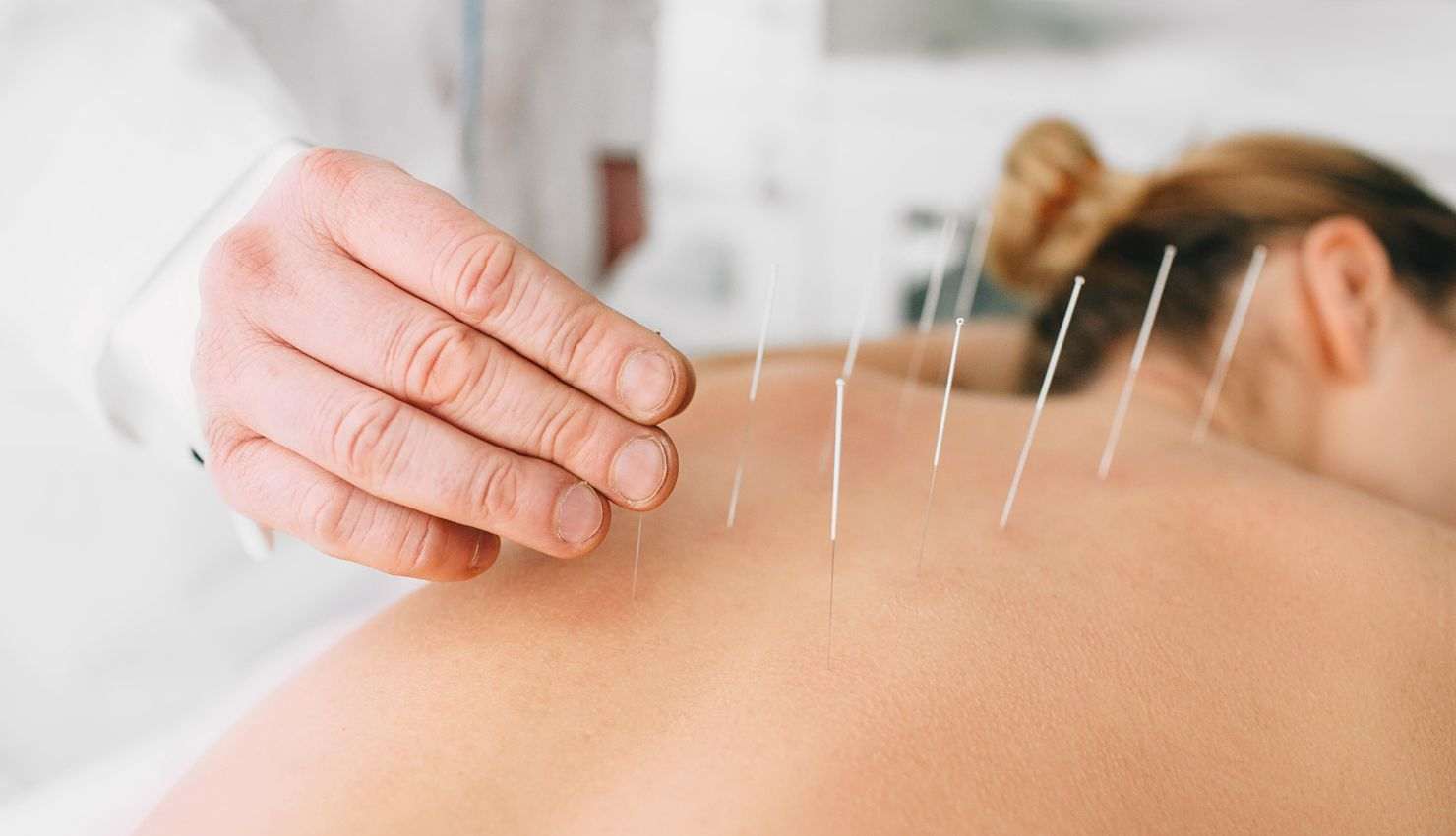
The treatment involves gentle insertion of sterile needles at specific meridian points, often including local and distal sites related to the affected joints or muscles. Most people experience mild sensations such as warmth, tingling, or heaviness, followed by deep relaxation.
Sessions usually last 3060 minutes. Depending on the severity of restriction, multiple treatments may be recommended for optimal improvement.
Complementary Practices to Enhance Flexibility
To support acupuncture and maximize gains in mobility:
Engage in regular stretching and strengthening exercises recommended by your therapist
Practice gentle movement like yoga, Pilates, or tai chi to promote flow and flexibility
Apply heat therapy to loosen muscles before stretching
Stay hydrated to maintain tissue elasticity
Maintain proper posture and ergonomics to prevent future restrictions
Manage stress through mindfulness or relaxation techniques to reduce muscle tension
Combining acupuncture with these lifestyle habits fosters lasting flexibility and joint health.
Final Thoughts
Acupuncture offers a natural, effective way to enhance your range of motion and flexibility by addressing the underlying causes of muscle tightness, inflammation, and nervous system dysfunction. Whether youre recovering from an injury, managing chronic stiffness, or simply seeking to improve your movement quality, acupuncture can be a vital part of your wellness toolkit.
By restoring balanced energy flow and promoting physical relaxation, acupuncture helps you move more freely, feel less pain, and enjoy a more active, vibrant life.