Physiotherapy is a cornerstone of recovery after injury, surgery, or muscle strain. It helps you regain strength, mobility, and functionbut lets be honest, it can be hard work.

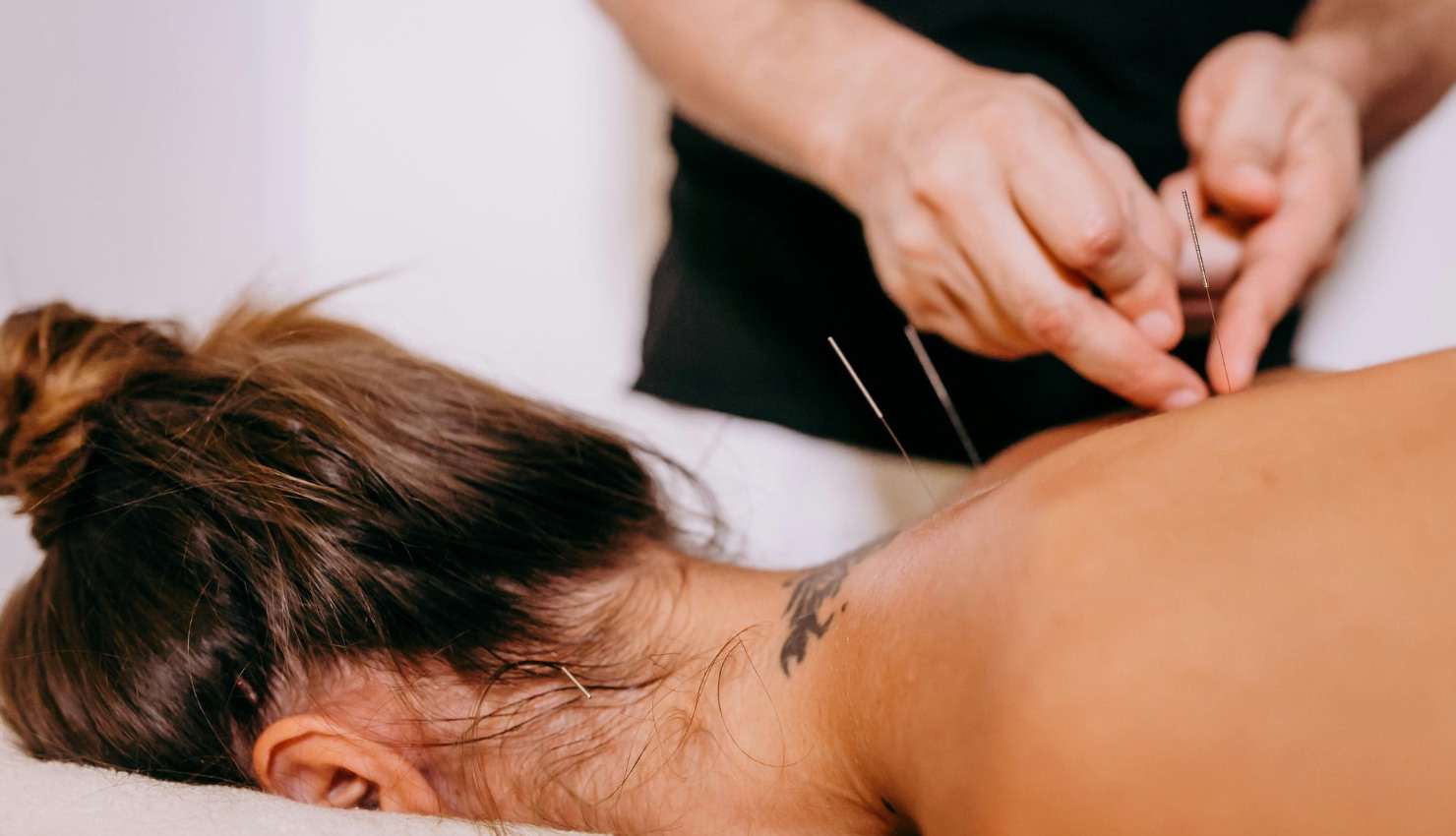
Physiotherapy is a cornerstone of recovery after injury, surgery, or muscle strain. It helps you regain strength, mobility, and functionbut lets be honest, it can be hard work. Soreness, stiffness, and muscle fatigue are all part of the healing process.
This is where acupuncture comes ina gentle, natural method to support muscle recovery, reduce pain, and help you get more out of your physiotherapy sessions.
Lets dive into how acupuncture works, and why it’s such a powerful ally in muscle rehabilitation.
?? What Is Acupuncture?
Acupuncture is a practice rooted in Traditional Chinese Medicine (TCM) that involves inserting ultra-fine needles into specific points on the body. These points are connected by pathways known as meridians, which help regulate the flow of energyor Qi.
From a modern medical perspective, acupuncture works by:
Stimulating blood flow
Reducing inflammation
Triggering endorphin release (natural painkillers)
Relaxing tight muscles
Supporting nervous system balance
Its not magicits science-backed and time-tested.
?? Why Muscle Recovery Matters
After physiotherapy, especially during the early stages of treatment, your muscles can feel:
Overworked
Sore or inflamed
Tight or spasming
Slow to recover
Muscle recovery is critical for making consistent progress, avoiding re-injury, and reducing treatment fatigue. Acupuncture can speed up this recovery process naturally and effectively.
? How Acupuncture Supports Muscle Recovery in Physiotherapy
Heres how acupuncture helps your body bounce back between sessions:
?? 1. Increases Blood Flow to Muscles
Acupuncture needles stimulate circulation to targeted areas, bringing in fresh oxygen and nutrients while flushing out waste products like lactic acid. This accelerates muscle repair and reduces soreness.
?? 2. Reduces Muscle Tension and Spasms
Muscles can get stuck in a contracted state after injury or repetitive use. Acupuncture relaxes trigger points (often called knots), helping you restore full range of motion more comfortably.
?? 3. Decreases Inflammation
Inflammation is part of healingbut too much of it can stall progress. Acupuncture helps modulate your immune response, so inflammation stays in check, allowing muscles and tissues to heal more effectively.
?? 4. Speeds Up Recovery After Intense Physio
If your therapy includes deep tissue work or strength exercises, acupuncture helps your body recover faster by soothing microtears in muscle fibers and reducing post-treatment fatigue.
?? 5. Calms the Nervous System
Muscle recovery isnt just about the tissueits about the brain-body connection. Acupuncture activates the parasympathetic nervous system (your bodys rest and repair mode), helping reduce stress, anxiety, and tension that can interfere with recovery.
?? Acupuncture + Physiotherapy: A Winning Combo
Physiotherapy Acupuncture
Strengthens and mobilizes muscles Relaxes muscles and improves tissue healing
Improves structure and function Reduces inflammation and pain
Uses movement-based therapy Uses energy and pressure points
Focuses on physical rehab Supports whole-body recovery and nervous system
Together, they offer a comprehensive, balanced approach to muscle healing.
?? Real-Life Example: A Sports Injury Recovery
Imagine a patient recovering from a hamstring strain. Their physio sessions include stretches and strengthening drills. To support this, acupuncture is applied to:
Ease tension in the hamstring
Reduce post-exercise soreness
Improve sleep and rest between sessions
Restore muscle function more efficiently
Result: Less pain, better movement, and faster progress.
?? Final Thoughts: Healing That Goes Deeper
Muscle recovery isnt just about getting through the next physiotherapy sessionits about building long-term resilience, reducing pain, and healing the body from all angles. Acupuncture helps your body do what its already designed to do: heal, repair, and thrivebut faster and with greater ease.
? Ready to Enhance Your Recovery?
If youre in physiotherapy and looking for extra support to reduce soreness, recover faster, and feel better between sessions, acupuncture could be your natural next step.
Lets create a custom care plan that blends the best of rehab and holistic healingbecause your muscles deserve the best.