Youre stretching, doing your rehab exercises, and showing up to your physiotherapy sessionsbut those tight shoulders, stiff knees, or limited neck movement just wont seem to loosen up. Sound familiar? Thats where acupuncture comes ina natural, time-tested method that can give your range of motion the gentle nudge it needs.

Youre stretching, doing your rehab exercises, and showing up to your physiotherapy sessionsbut those tight shoulders, stiff knees, or limited neck movement just wont seem to loosen up. Sound familiar?
Thats where acupuncture comes ina natural, time-tested method that can give your range of motion the gentle nudge it needs.
?? First, What Is AcupunctureReally?
Acupuncture is a therapy rooted in Traditional Chinese Medicine (TCM), where fine, sterile needles are inserted at specific points on the body to stimulate healing. These points are connected to energetic pathways known as meridians, and when activated, they help restore balance, relieve pain, and improve physical function.
But here’s the exciting part: modern science now supports many of acupunctures benefitsespecially when it comes to mobility and joint flexibility.
?? What Is Range of Motion, and Why Is It So Important?
Range of motion (ROM) refers to how far and how easily a joint or muscle can move in a particular direction. When your ROM is restricteddue to injury, inflammation, scar tissue, or chronic conditions like arthritisit limits movement, performance, and sometimes, even daily activities.
Physiotherapy works to retrain the body and increase ROM. But when acupuncture is added to the mix? You get faster results and deeper healing.
?? How Acupuncture Improves Range of Motion
Lets break it down:
?? 1. Reduces Muscle Tension and Spasms
Tight muscles are often the biggest roadblock to free movement. Acupuncture helps relax overly contracted muscle fibers, encouraging a more natural, pain-free range of motion. Its like telling the muscle, Hey, its okay to let go now.
?? 2. Increases Local Blood Flow
Inserting acupuncture needles into tight or inflamed areas boosts circulation, delivering more oxygen and nutrients to damaged tissues. This accelerates healing, reduces swelling, and softens scar tissueall essential for better joint mobility.
?? 3. Releases Fascia and Triggers Points
Ever feel like you have a knot that just wont go away? Thats often tight fasciathe connective tissue around muscles. Acupuncture can target myofascial trigger points, helping to release restrictions that limit movement.
?? 4. Decreases Pain Signals
When youre in pain, your body instinctively limits movement to protect itself. Acupuncture stimulates the nervous system in a way that lowers pain perception, allowing you to move more freely without the body holding back.
?? 5. Stimulates the Brain-Muscle Connection
New research suggests acupuncture can activate areas of the brain associated with motor control. In simple terms, it helps the brain talk to your muscles more clearlygreat news if youre retraining your body after injury or surgery.
?? Real-Life Conditions Where Acupuncture Supports ROM
Acupuncture has been shown to improve range of motion in people with:
Frozen shoulder (adhesive capsulitis)
Cervical and lumbar spine stiffness
Post-surgical joint recovery (hip, knee, shoulder)
Arthritis-related stiffness
Tendonitis and repetitive strain injuries
Sports injuries
?? What to Expect During Treatment
No, it doesnt hurtmost patients describe acupuncture as calming or even energizing. A typical session includes:
An assessment of your limited movement areas
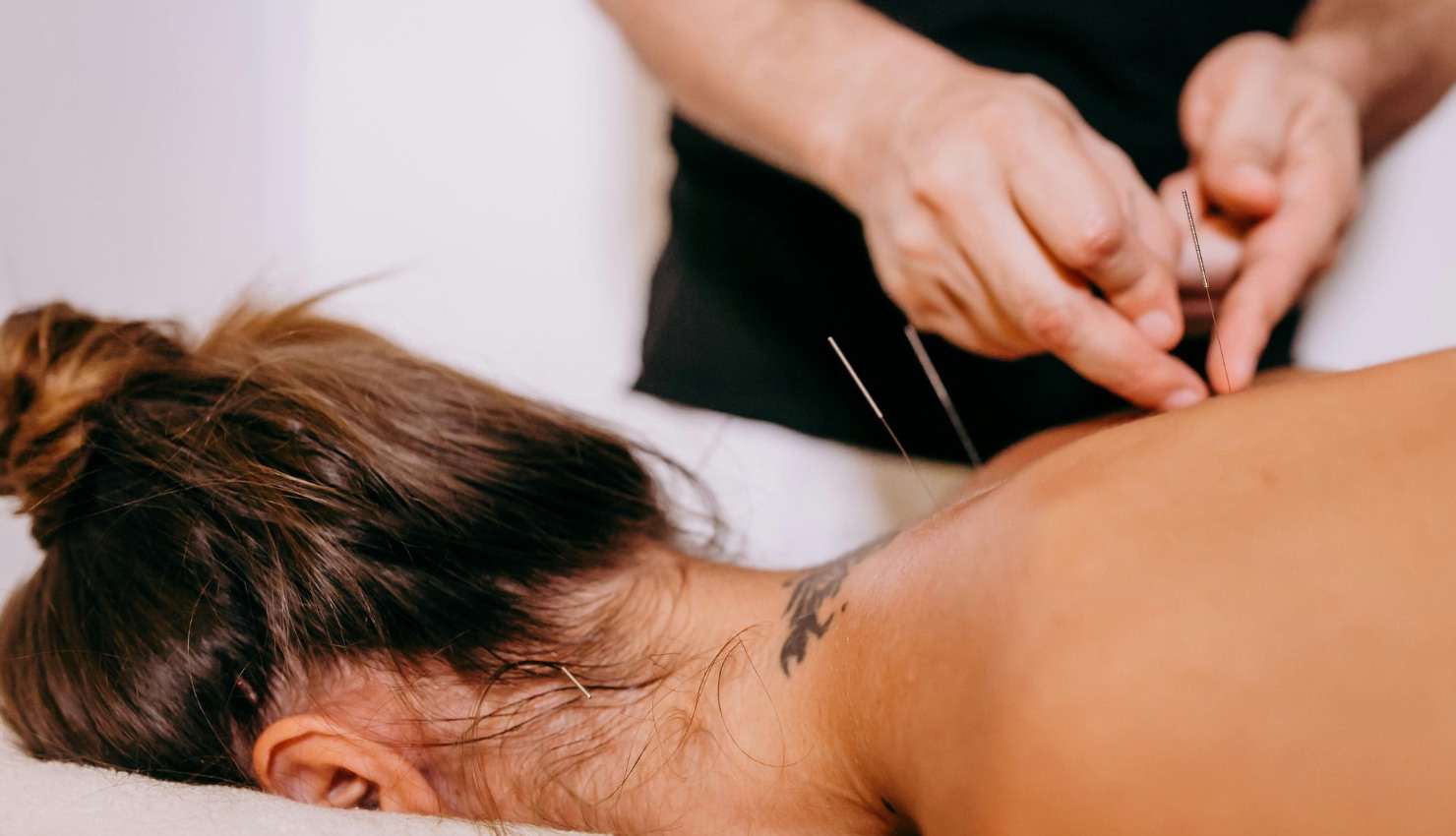
Gentle insertion of fine needles into targeted muscles and trigger points
Rest time (usually 2030 minutes) as the needles do their magic
You might notice more fluid movement right after the session, or gradual improvement over several treatments.
?? Final Thoughts: Your Movement Matters
When paired with physiotherapy, acupuncture becomes a powerful ally in restoring natural movement and function. It not only helps you stretch farther or bend easierit makes you feel more connected to your body along the way.
? Want to Move BetterNaturally?
If youre hitting a plateau in your physiotherapy journey, adding acupuncture might be the solution that gets things flowing again. Talk to your therapist or a licensed acupuncturist to explore a plan that supports you.
Because healing isnt just about fixing whats wrongits about unlocking whats possible.