How Acupuncture Improves Flexibility and Relieves Tension explores targeted strategies for recovery. Discover new paths to mobility, healing, and personalized care.

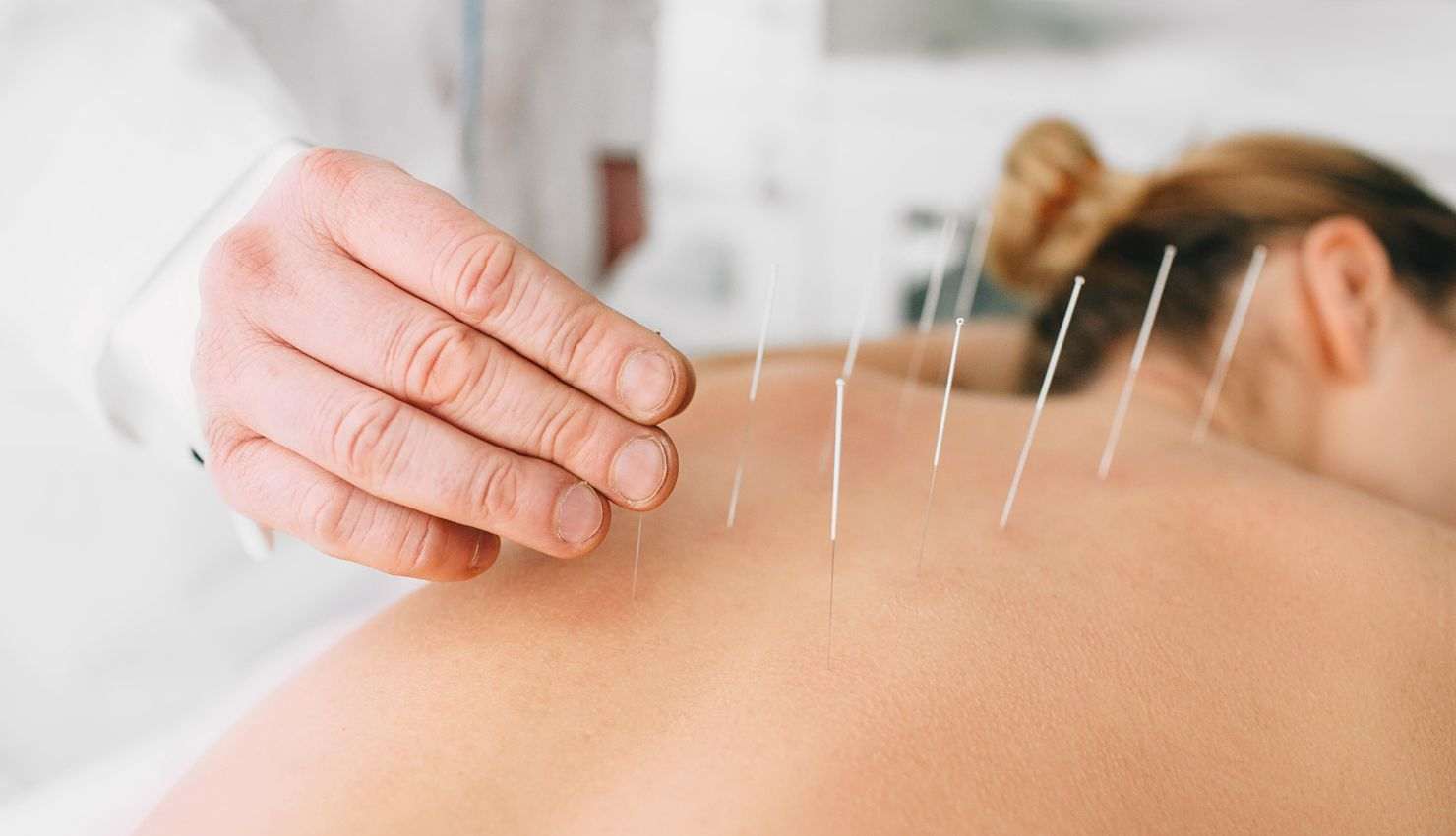
Tight muscles, reduced range of motion, and chronic tension can significantly impact how your body moves and feels. Whether caused by stress, overuse, injury, or simply a sedentary lifestyle, these physical restrictions often limit flexibility and make day-to-day activities more difficult. Fortunately, acupuncture, an ancient healing modality from Traditional Chinese Medicine (TCM), offers a natural and effective way to improve flexibility and release tension throughout the body.
More than just a solution for pain relief, acupuncture targets the underlying imbalances in the bodys energy systemknown as meridiansthat contribute to tightness and stiffness. By restoring balance to these pathways and improving circulation, acupuncture helps your muscles, joints, and nervous system function with greater ease and mobility.
Understanding Flexibility and Tension in TCM
In TCM, movement and flexibility are signs of free-flowing Qi (vital energy) and blood throughout the body. When Qi and blood circulate smoothly, the muscles are nourished, joints are lubricated, and connective tissues remain supple. But when energy stagnatesdue to emotional stress, poor posture, trauma, or fatigueit can result in:
Muscle tightness or stiffness
Joint restrictions
Tendon and ligament inflammation
Limited range of motion
Chronic tension in the neck, shoulders, back, or hips
These symptoms are viewed as signs of meridian blockages. Acupuncture addresses these blockages, allowing Qi and blood to move freely again and the body to return to a state of balance and flexibility.
How Acupuncture Enhances Flexibility
Acupuncture helps improve flexibility in multiple waysby addressing muscular, neurological, and energetic components of tension and stiffness.
1. Releases Muscle Tension
Acupuncture needles are placed into specific muscle groups or trigger points, stimulating a release of deeply held tension. This helps:
Lengthen shortened muscle fibers
Break up muscle knots
Increase range of motion
Targeting these points can reduce spasms and allow for more comfortable and fluid movement.
2. Stimulates Connective Tissue
Fasciathe connective tissue that wraps around musclescan become restricted from poor posture or overuse. Acupuncture helps rehydrate and realign these fascial layers, allowing muscles to glide smoothly and restoring tissue elasticity.
3. Increases Circulation
Improved blood flow means more oxygen and nutrients reach the muscles and joints. Acupuncture increases microcirculation, supporting cellular repair and softening areas of chronic stiffness or inflammation.
4. Reduces Nervous System Overload
Chronic tension is often linked to stress or sympathetic nervous system dominance (fight or flight). Acupuncture activates the parasympathetic system (rest and digest), promoting deep relaxation and allowing muscles to unwind naturally.
5. Releases Energy Blockages
In TCM, flexibility is not just physicalits energetic. When meridians are blocked, energy cant move freely through the body. Acupuncture restores flow through these energy channels, bringing balance to the whole system and improving overall mobility.
How Acupuncture Relieves Tension
Muscular tension can result from physical stress (like sitting at a desk or exercising too hard), emotional stress, or poor alignment. Acupuncture addresses all layers of tension by:
Targeting tension zones with precise needle placement
Stimulating the release of endorphins, the bodys natural painkillers
Calming the mind, which reduces emotional stress that contributes to physical tension
Improving posture through muscle relaxation and neuromuscular feedback
Balancing opposing muscle groups to reduce overcompensation and strain
Whether you carry your tension in your shoulders, lower back, jaw, or hips, acupuncture can help release it at its sourcenot just temporarily, but in a way that promotes long-term relaxation and alignment.
Common Acupuncture Points for Flexibility and Tension
Depending on the area of concern, a practitioner may stimulate specific acupuncture points known for softening tissues and releasing blockages. Some commonly used points include:
Gallbladder 21 (Jianjing): Excellent for neck and shoulder tension
Bladder 40 (Weizhong): Helps relieve back and hamstring stiffness
Liver 3 (Taichong): Relieves stress-related muscle tightness
Stomach 36 (Zusanli): Improves overall energy and muscle strength
Small Intestine 3 (Houxi): Releases spinal and neck tension
Bladder 57 (Chengshan): Relieves calf and Achilles tightness
Kidney 3 (Taixi): Tonifies tendons and supports flexibility in the lower body
Needles may also be placed directly into tight muscle groups to trigger localized release and improved movement.
Acupuncture for Athletes and Active Individuals
For athletes, dancers, yoga practitioners, or anyone with a physically demanding lifestyle, acupuncture provides:
Injury prevention through better muscle balance
Faster recovery after intense workouts
Enhanced flexibility and range of motion
Reduced risk of overuse injuries from tight, shortened tissues
Better movement efficiency by correcting muscular imbalances
Regular acupuncture can be part of a comprehensive training or recovery plan, helping the body move more freely and with less effort.
What to Expect During a Session
Each acupuncture session is customized based on your physical complaints and energy imbalances. A typical session involves:
A detailed intake of your pain patterns, flexibility limits, and stress levels
Observation of your posture, movement, and tension zones
Gentle insertion of sterile needles into key meridian points
A period of rest (usually 2030 minutes) while the body resets and relaxes
You may experience sensations like warmth, tingling, heaviness, or a wave of relaxation. Most people leave feeling lighter, looser, and calmer after just one session.
Tips to Maintain Flexibility Between Sessions
To get the most out of your acupuncture treatments, integrate these supportive habits:
Hydrate daily to keep muscles and fascia supple
Practice dynamic stretching or mobility drills
Use foam rolling or massage tools on tight areas
Take warm baths with Epsom salt to ease muscular tension
Manage stress with mindfulness or breathwork
Prioritize movementlong periods of stillness can undo progress
Combining these practices with acupuncture builds long-lasting flexibility and ease.
Final Thoughts
If tension, stiffness, or restricted movement are limiting your comfort or performance, acupuncture offers a holistic and highly effective way to restore your bodys natural flexibility. By releasing muscle tightness, balancing energy flow, and calming the nervous system, it creates a profound sense of ease in both body and mind.
Whether youre recovering from injury, improving athletic performance, or simply wanting to move more freely, acupuncture can help you unlock your bodys full potential. With regular treatments and supportive habits, you can enjoy greater flexibility, improved posture, and lasting relief from the tension that holds you back.