


How Acupuncture Improves Mobility and Reduces Pain After Injury explores targeted strategies for recovery. Discover new paths to mobility, healing, and personalized care.

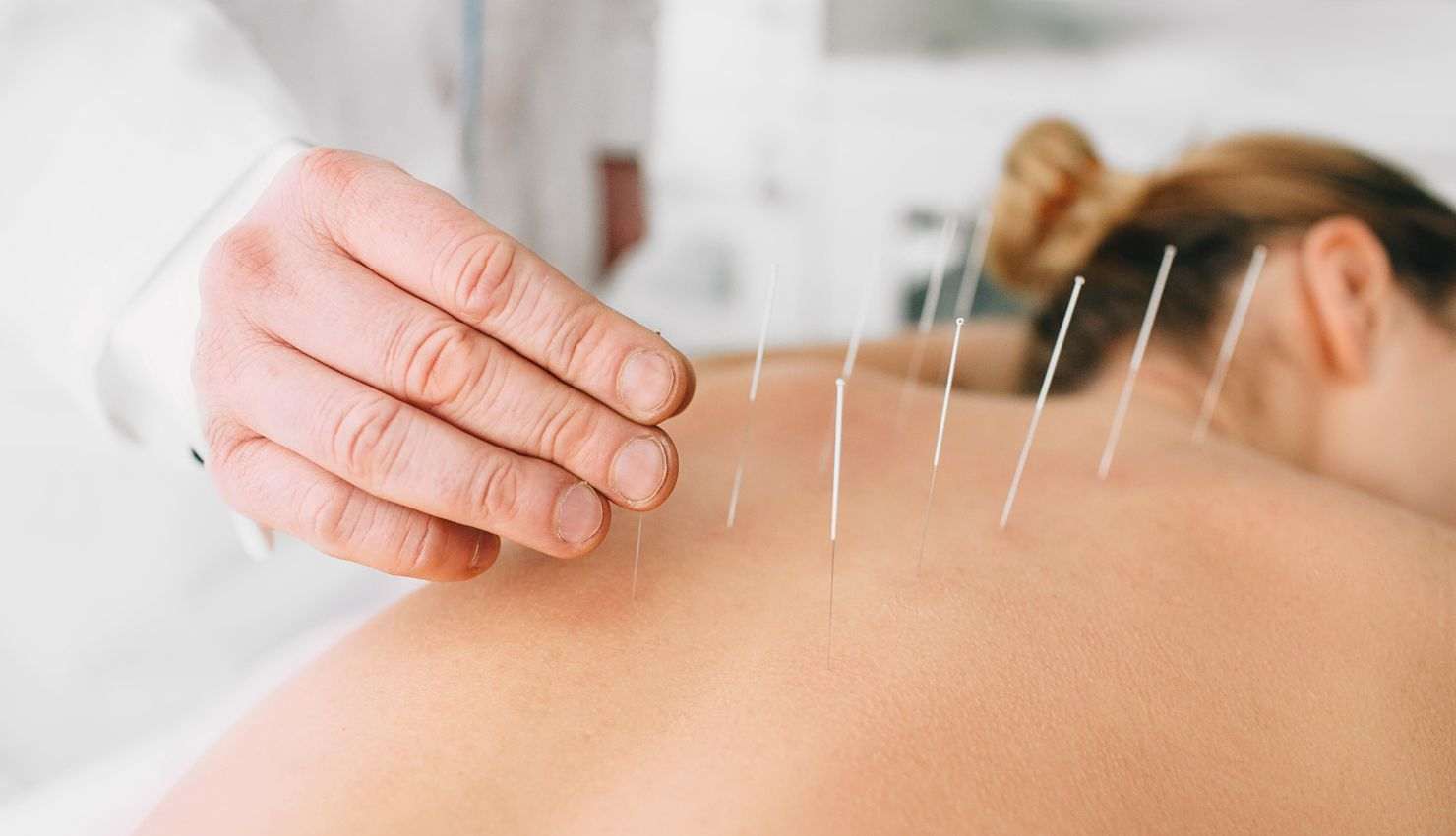
Injuries can significantly disrupt everyday life, often leading to pain, stiffness, inflammation, and limited mobility. Whether its a sports injury, a fall, or post-surgical trauma, the recovery process can be slow and frustrating. Acupuncture, a core therapy in Traditional Chinese Medicine (TCM), provides a powerful and natural approach to injury rehabilitation. By reducing pain, enhancing circulation, and restoring balance to the body, acupuncture helps speed up recovery and improves mobility without the side effects of pharmaceuticals.
The Impact of Injury on the Body
When the body is injuredwhether it’s a torn ligament, strained muscle, or fractured boneseveral physiological responses occur:
Inflammation develops as the body begins repairing damaged tissue.
Muscle guarding and tension often increase to protect the injured area.
Restricted movement may result from swelling, pain, or compensatory patterns.
Nerve sensitivity can increase, especially after surgery or trauma.
These responses are natural, but if prolonged or unmanaged, they can interfere with healing and lead to chronic pain or stiffness. Acupuncture supports the bodys healing process from the inside out by encouraging circulation, modulating pain, and relaxing tight tissues.
How Acupuncture Works for Injury Recovery
Acupuncture involves inserting fine, sterile needles into specific acupoints along the bodys meridianspathways that conduct Qi, or vital energy. When Qi is blocked due to injury, the healing process slows down. Acupuncture helps to restore the smooth flow of Qi and blood, activating the bodys self-repair systems.
From a biomedical perspective, acupuncture also:
Stimulates the nervous system
Promotes the release of endorphins (natural painkillers)
Enhances microcirculation and tissue oxygenation
Reduces inflammation and swelling
Relieves muscular tightness and fascia restriction
Key Benefits of Acupuncture After Injury
1. Pain Relief Without Medication
Acupuncture is highly effective in reducing both acute and chronic pain. It triggers the release of neurotransmitters that interrupt pain signals in the brain, providing relief even in sensitive or post-operative areas.
2. Reduces Inflammation
Inflammation is necessary for healing, but too much can delay recovery. Acupuncture downregulates inflammatory markers and supports the immune systems natural regulation, allowing for controlled, effective tissue repair.
3. Enhances Range of Motion
Stiffness and limited mobility are common after injury. Acupuncture loosens tight muscles, reduces joint swelling, and improves circulation to affected tissuesallowing smoother, pain-free movement.
4. Promotes Tissue Repair and Regeneration
Injured muscles, tendons, and ligaments require nutrients and oxygen to rebuild. Acupuncture increases local blood flow, delivering essential components to the damaged area and speeding recovery.
5. Prevents Secondary Compensation Injuries
Often, injuries cause people to change their gait or movement patterns, leading to pain in other parts of the body. Acupuncture addresses the whole systemreleasing tight compensatory muscles and maintaining body alignment during recovery.
Common Injuries Treated with Acupuncture
Acupuncture is used to support healing from a wide range of injuries and post-surgical recoveries, including:
Sprains and strains
Tendonitis (Achilles, rotator cuff, tennis elbow)
Ligament injuries (ACL, MCL tears)
Joint dislocations
Whiplash and neck injuries
Sciatica and nerve impingements
Post-fracture stiffness or pain
Post-surgical recovery (orthopedic, spinal, etc.)
It is also commonly used by athletes for performance recovery and injury prevention.
What to Expect from Treatment
An acupuncture treatment for injury rehabilitation typically includes:
A consultation reviewing the type, location, and severity of the injury
Needle insertion in local and distal acupoints to address pain and restore balance
Gentle techniques such as electroacupuncture (low-frequency stimulation) to accelerate healing
Additional modalities like cupping, gua sha, or heat therapy, depending on the case
Sessions usually last 3045 minutes. Many patients experience pain relief and improved mobility after the first few sessions, with continued improvement over a course of 612 treatments.
Supporting Your Recovery at Home
For best results, acupuncture should be part of a comprehensive recovery plan. Between sessions:
Engage in gentle rehabilitation exercises or physiotherapy as recommended
Rest and protect the injured area when needed, without total immobilization
Apply heat (not ice) to encourage circulation (if appropriate)
Hydrate and eat anti-inflammatory foods to nourish the body
Avoid overexertion and respect the bodys healing timeline
Your acupuncturist may also teach you basic acupressure or breathing techniques to support healing on your own.
Scientific Evidence for Acupuncture in Injury Recovery
Modern research supports acupunctures role in injury healing:
Studies show acupuncture significantly reduces pain and inflammation after orthopedic surgeries.
Clinical trials report faster return-to-play for athletes receiving acupuncture alongside physical therapy.
Evidence supports acupunctures effectiveness in improving joint range of motion and reducing muscle spasms after injury.
Organizations like the National Institutes of Health and the World Health Organization recognize acupuncture as a valid therapy for musculoskeletal injuries and post-operative pain.
Final Thoughts
Injury recovery doesnt have to rely solely on medication or extended rest. Acupuncture offers a safe, effective, and holistic alternative that not only reduces pain but enhances the bodys ability to heal itself. Whether youve suffered a sports injury, undergone surgery, or are managing chronic pain from an old trauma, acupuncture can restore your mobility, improve your function, and help you get back to doing what you lovewithout discomfort.
With its ability to treat the root of the problemnot just the symptomsacupuncture is a powerful ally in the journey to recovery and lasting wellness.

