Youre going to your physiotherapy sessions, doing the stretches, working on your posture, and making progress. But if youre still feeling tense, tight, or stiff in your muscles, youre not aloneand theres a natural, needle-sized solution that might help: acupuncture.

Youre going to your physiotherapy sessions, doing the stretches, working on your posture, and making progress. But if youre still feeling tense, tight, or stiff in your muscles, youre not aloneand theres a natural, needle-sized solution that might help: acupuncture.
Used for thousands of years in Traditional Chinese Medicine (TCM), acupuncture is gaining ground in modern rehabilitation circlesnot just for pain relief, but for its impressive ability to release muscle tension, improve circulation, and help physiotherapy patients move more freely and comfortably.
Lets break down how it works and why its such a great ally in your recovery journey.
?? First, What Causes Muscle Stiffness?
Muscle stiffness can show up for a lot of reasons:
Overuse or repetitive motion
Injury or trauma
Poor posture
Chronic tension or stress
Scar tissue after surgery
Lack of circulation or lymphatic drainage
In physiotherapy, we treat the root mechanical issuesbut sometimes the muscles need a bit more help to let go of tension and return to their natural, relaxed state.
Thats where acupuncture works wonders.
?? How Acupuncture Works to Ease Muscle Stiffness
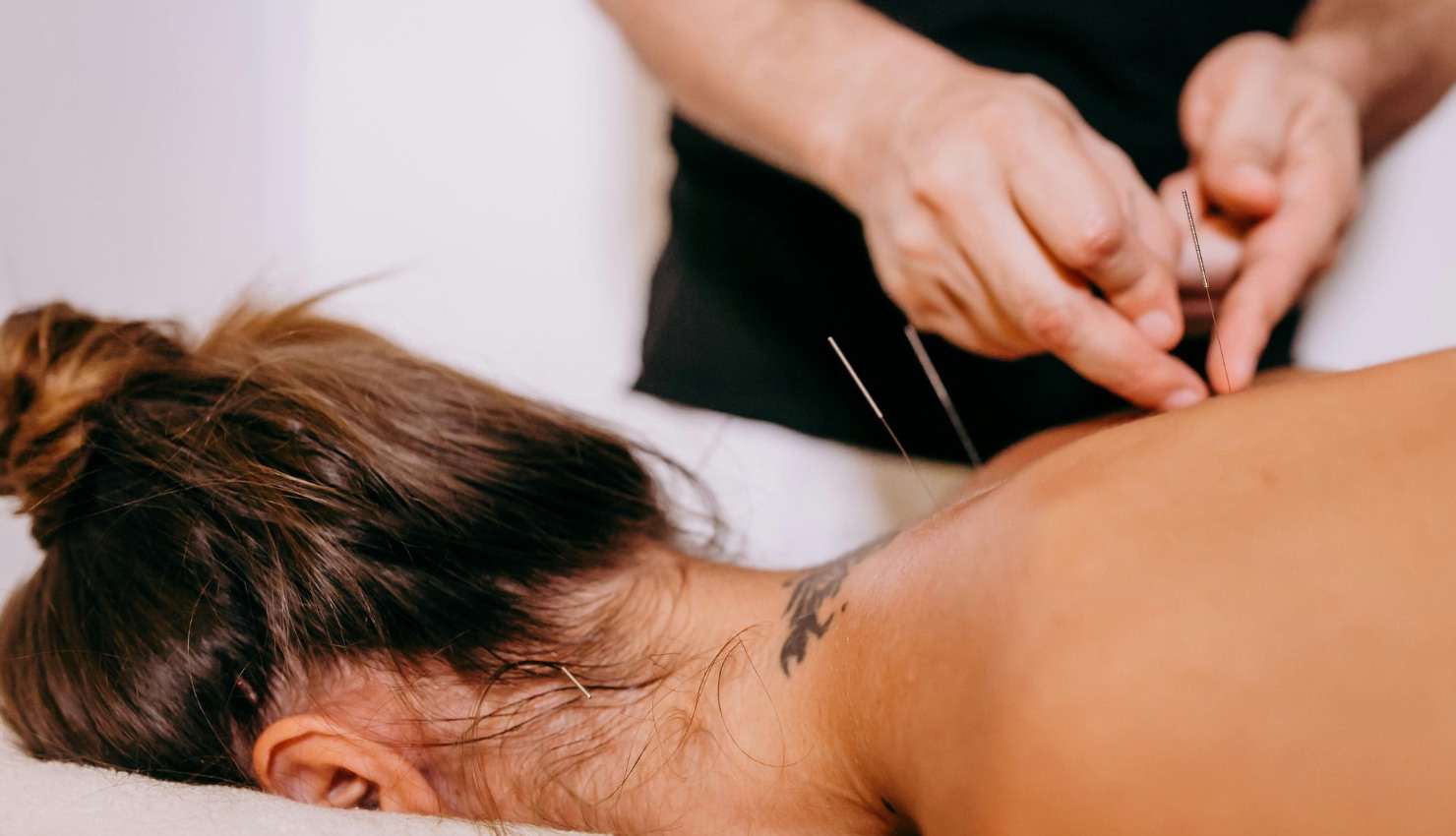
Acupuncture involves inserting ultra-fine needles into specific points on the body to stimulate healing, reduce pain, and balance energy (known as Qi in TCM). From a modern perspective, it activates your nervous system, boosts circulation, and encourages your bodys natural repair processes.
Heres how that translates to muscle relief:
?? 1. Releases Trigger Points
Muscle knotsalso called trigger pointsare a major culprit of stiffness and pain. Acupuncture targets these tight spots directly, causing the muscle fibers to relax and reset. Its like flipping a switch on a stuck circuit.
This technique, sometimes called dry needling, is commonly used alongside physiotherapy to release deep muscle tension.
?? 2. Improves Blood Flow and Oxygenation
Tight muscles often dont get enough blood flow. Acupuncture increases microcirculation in the area, bringing in fresh oxygen and nutrients while flushing out metabolic waste and lactic acid buildup.
More circulation = less stiffness.
?? 3. Calms the Nervous System
Muscles tighten in response to stress, injury, or painits the bodys way of protecting itself. Acupuncture activates the parasympathetic nervous system (your rest-and-digest mode), telling your body it’s safe to relax and let go of tension.
This is especially helpful if stiffness is tied to emotional stress or chronic conditions.
?? 4. Reduces Inflammation
Inflammation can irritate nerves and cause surrounding muscles to tense up. Acupuncture naturally decreases inflammatory markers and encourages a healthy immune response, easing tension and pain over time.
?? 5. Supports Mobility and Movement
Less tension means more freedom to moveand acupuncture can directly enhance your range of motion. When used alongside physiotherapy, it helps you stretch more comfortably, perform rehab exercises more effectively, and recover faster from muscle strain.
? Common Conditions That Benefit from Acupuncture for Muscle Stiffness
Neck and shoulder tension (from desk work, stress, or injury)
Lower back tightness
Post-operative stiffness
Chronic pain conditions (like fibromyalgia or myofascial pain syndrome)
Sports injuries and overtraining
Recovery from sprains, strains, or joint injuries
????? What to Expect in a Session
After a brief evaluation, your acupuncturist will gently insert hair-thin needles into specific points (local and distal)
Youll lie comfortably for 2030 minutes while the needles work their magic
You might feel a warm, heavy, or tingling sensationthats a good sign!
Many patients feel immediate relief or gradual softening of stiffness over a few sessions
Its deeply relaxing and often described as a nap you didnt know you needed.
? Final Thoughts: Release, Relax, Recover
If muscle stiffness is slowing down your recovery or making physio exercises feel more like a battle than a benefit, acupuncture could be the missing piece of your healing puzzle.
By combining the structured movement of physiotherapy with the natural tension release of acupuncture, you create a recovery plan that addresses both function and flowthe mechanical and the energetic.
?? Want to Loosen Up the Natural Way?
Talk to your physiotherapist or a licensed acupuncturist about integrating acupuncture into your recovery plan. Because healing isnt just about building strengthits about creating ease in your body, so you can move through life with comfort and confidence.