How Acupuncture Supports Injury Recovery and Reduces Scar Tissue Formation explores targeted strategies for recovery. Discover new paths to mobility, healing, and personalized care.

Injurieswhether from sports, accidents, surgery, or repetitive straincan affect more than just the immediate area of pain. They disrupt movement patterns, energy flow, and the bodys healing rhythms. Even after the initial trauma fades, lingering inflammation, stiffness, and scar tissue formation can interfere with mobility, posture, and long-term recovery.
At YourFormSux (YFS), we approach healing with a whole-body perspective. One of the most effective, non-invasive tools we use in injury rehabilitation is acupuncture. Rooted in Traditional Chinese Medicine (TCM), acupuncture supports the body’s natural ability to heal, regenerate tissue, reduce pain, and minimize scar formationwhile also restoring balance to the nervous system and meridian pathways.
This blog explores how acupuncture works to accelerate injury recovery, improve tissue repair, and help prevent long-term complications like restricted mobility or chronic pain.
Understanding Injury Recovery and Scar Tissue
Injury recovery involves more than just waiting for tissues to get better. The body initiates a complex healing process that includes:
Inflammation to remove damaged cells
Proliferation to rebuild tissues
Remodeling to strengthen and align new collagen fibers
If this healing cycle is disruptedby poor circulation, continued strain, or stagnant energyexcess scar tissue can form. This dense, fibrous tissue may:
Restrict movement and range of motion
Trap nerves and cause pain
Interrupt blood and lymph circulation
Limit tissue elasticity and flexibility
This is where acupuncture becomes a powerful allynot only reducing symptoms but improving the quality of recovery.
How Acupuncture Supports Injury Recovery
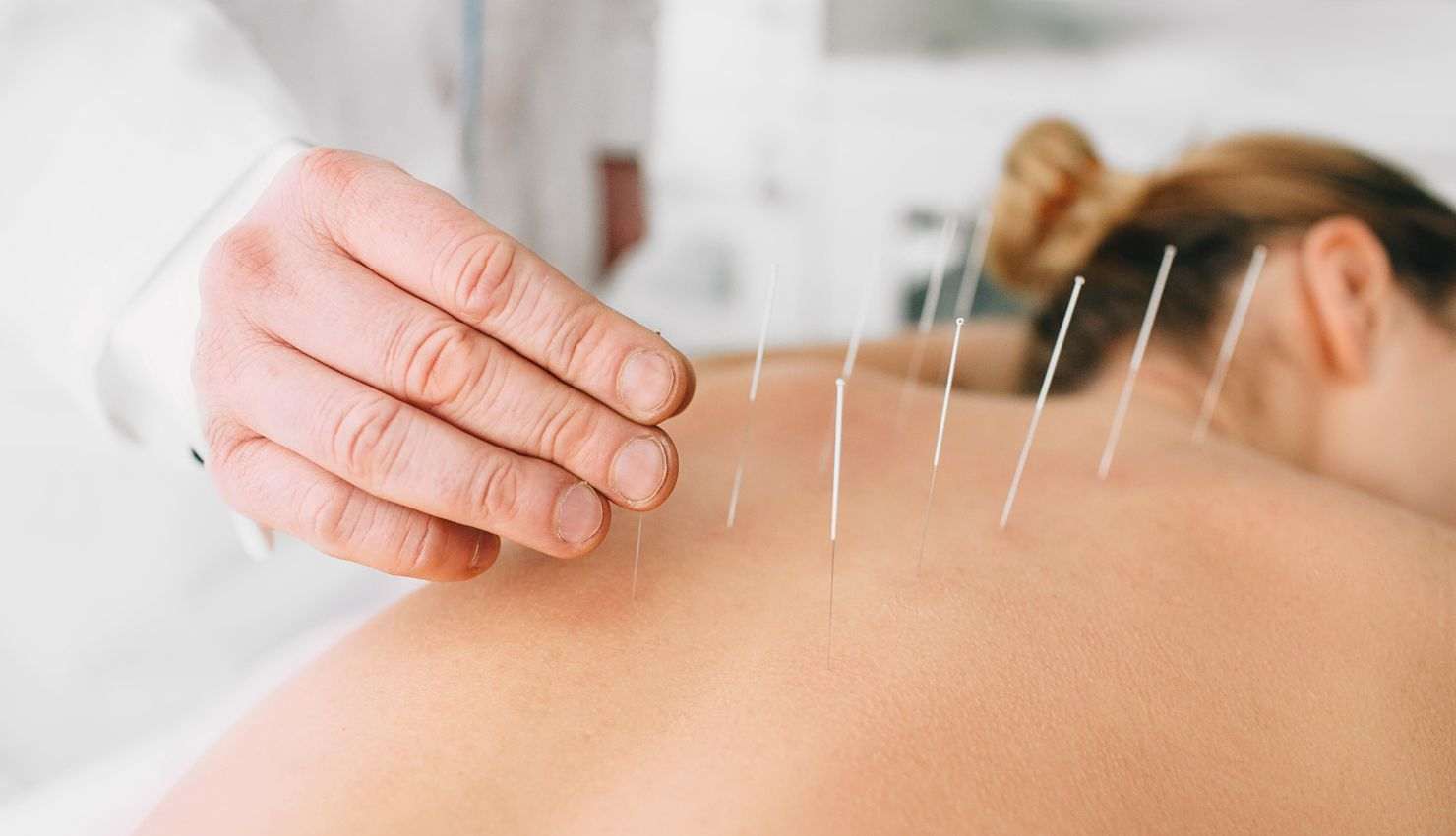
Acupuncture involves inserting thin, sterile needles into specific points on the body to:
Stimulate nerve endings and blood vessels
Improve energy flow through meridians
Regulate inflammation
Support nervous system recalibration
Enhance tissue regeneration
Lets explore the ways acupuncture contributes to better healing outcomes.
1. Increases Local Circulation and Oxygen Delivery
When acupuncture needles are inserted near an injured site:
Blood flow increases to the area
Oxygen and nutrients are delivered to tissues
Metabolic waste and inflammatory byproducts are cleared out
This jumpstarts the repair process, accelerates the removal of damaged tissue, and supports the growth of healthy new cells.
For surgical recovery or sprains/strains, this effect often leads to:
Reduced bruising
Faster swelling resolution
Less post-injury stiffness
2. Reduces Inflammation Without Suppressing Healing
Unlike medications that may suppress natural inflammatory responses, acupuncture modulates inflammation. It helps the body:
Bring immune cells to the area in a balanced way
Prevent excessive or prolonged inflammation
Reduce the release of pro-inflammatory cytokines
The result is a calm yet active healing environment, allowing your body to work efficiently without flaring pain.
3. Minimizes and Softens Scar Tissue Formation
Scar tissue forms as the body lays down collagen during the healing phase. But poor alignment of these fibers creates stiffness and loss of mobility.
Acupuncture improves scar remodeling by:
Stimulating fibroblast activity
Encouraging collagen alignment along muscle and tendon lines
Softening existing scar adhesions
Improving skin texture and elasticity
Preventing new scarring from becoming dense or fibrous
Needles placed in or around scar tissue sites encourage gentle microtrauma, which prompts the body to re-address and repair the area more effectively.
4. Restores Energy Flow Through Affected Meridians
Every injury affects not only physical tissue but also the energetic pathways running through that area. When meridians are disrupted, the flow of Qi (vital energy) becomes stagnant, leading to:
Chronic pain
Numbness or tingling
Emotional imbalance
Secondary injuries from compensating movements
Acupuncture restores Qi flow, helping the entire body re-align and heal. For example:
An ankle sprain may affect the Gallbladder meridian
A shoulder injury may disrupt the Large Intestine or Small Intestine meridian
A knee issue may impact the Stomach and Spleen meridians
Addressing these pathways accelerates recovery and prevents recurring dysfunction.
5. Calms the Nervous System and Relieves Pain
Injuries can activate the sympathetic nervous system, keeping the body in a state of heightened alertknown as fight or flight. This delays healing, increases pain perception, and contributes to muscle guarding.
Acupuncture:
Activates the parasympathetic nervous system (rest and repair)
Stimulates endorphin release for natural pain relief
Interrupts chronic pain signaling loops
Calms muscle spasms and hypertonicity
Many clients report a noticeable drop in pain and tension even after the first treatment.
6. Improves Mind-Body Awareness and Movement Patterns
Injuries often lead to subconscious compensationslimping, guarding, or avoiding movement. These altered patterns become habitual and can strain other joints and muscles.
Acupuncture helps:
Reconnect you with the injured area
Normalize proprioception (your bodys sense of position and movement)
Reduce fear-based holding patterns
Enhance the brains connection to recovering tissue
This leads to more natural, balanced movement, especially when combined with physiotherapy or guided exercises.
What Conditions and Injuries Benefit from Acupuncture?
Acupuncture is effective for a wide range of acute and chronic injuries, including:
Sprains, strains, and muscle tears
Tendonitis (e.g., tennis elbow, Achilles tendonitis)
Rotator cuff injuries
Post-surgical recovery (e.g., knee, hip, abdominal surgeries)
Scar tissue adhesions
Whiplash and soft tissue trauma
Shin splints and plantar fasciitis
Joint dislocations or post-fracture recovery
It also supports healing from invisible injurieslike emotional trauma stored in the body after accidents or surgeries.
What to Expect from an Injury Recovery Session at YFS
At YourFormSux, our acupuncture sessions are tailored to your injury, healing stage, and goals. A typical treatment plan includes:
Full injury assessment: Type, severity, timing, and symptoms
Meridian and energy evaluation: Identifying imbalances and compensations
Targeted acupuncture session: Local and distal points to reduce pain, improve healing, and restore function
Scar tissue and fascia work: Gentle needling or meridian therapy near scars, combined with cupping or Gua Sha if needed
Recovery support: Breathwork, gentle movement, or postural guidance to reinforce healing patterns
How Many Sessions Are Needed?
Healing timelines vary based on injury type and chronicity. General recommendations:
Acute injuries: 23 sessions per week for the first 2 weeks, then tapering
Post-surgical recovery: Start 12 weeks after surgery with biweekly sessions
Chronic pain or scarring: Weekly treatments over 610 weeks for best results
Your practitioner will adjust the plan based on your bodys healing response.
Final Thoughts
True recovery goes beyond healing the injuryits about restoring function, flow, and freedom of movement. Acupuncture offers a deeply supportive way to recover not just faster, but betterby treating the whole person, not just the injury site.
At YFS, we use acupuncture to help you release pain, reduce scar tissue, re-align your body, and reconnect with your vitality. Whether youre recovering from a sprain, surgery, or long-standing mobility issues, acupuncture provides a path back to strength, balance, and ease.