How Core Exercises Enhance Spinal Health and Flexibility explores targeted strategies for recovery. Discover new paths to mobility, healing, and personalized care.

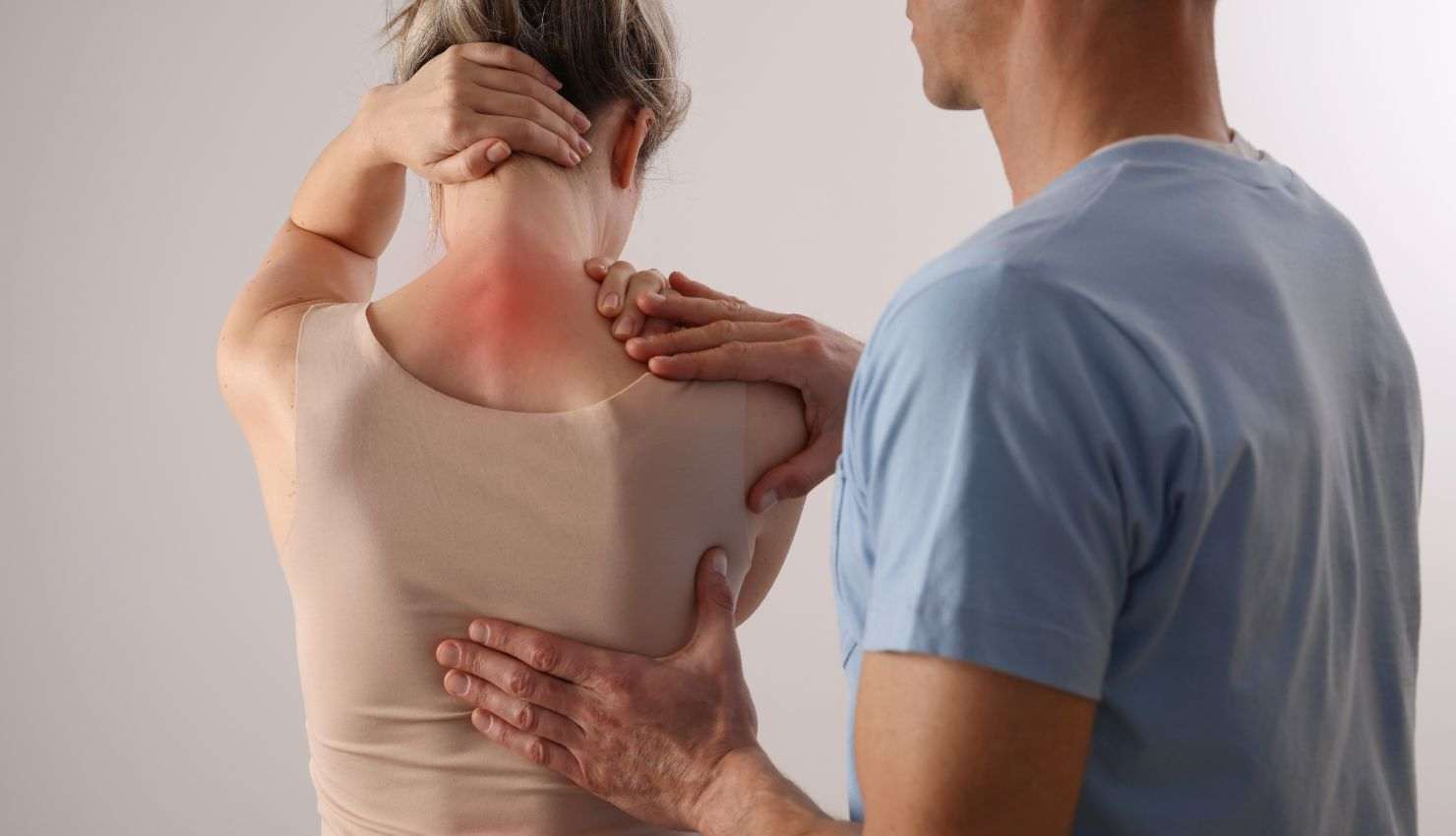
Spinal health is fundamental to overall well-being, yet its often neglected until pain or injury strikes. One of the most effective ways to protect and improve the spine is through targeted core exercises. These exercises dont just build muscle; they enhance spinal stability, increase flexibility, and support better posture, helping you move more comfortably and confidently every day.
Why Core Strength Matters for Spinal Health
Your core musclesconsisting of the abdominals, back muscles, pelvic floor, and diaphragmact as a natural corset around your spine. They stabilize your trunk, distribute forces evenly during movement, and support spinal alignment.
When core muscles are weak or unbalanced, the spine becomes vulnerable to excessive strain, poor posture, and injuries. Strengthening the core helps:
Reduce pressure on spinal discs and joints
Improve posture and spinal alignment
Enhance movement control and coordination
Prevent lower back pain and injuries
Support flexibility by allowing controlled motion
How Core Exercises Improve Spinal Flexibility
Flexibility in the spine is the ability to move freely through different ranges without pain or stiffness. While flexibility comes from the joints and muscles, the core muscles play a vital role in controlling and supporting these movements.
Core exercises encourage:
Dynamic stability: Strong core muscles support the spine during twisting, bending, and extension.
Muscle balance: Balanced strength reduces compensatory movements that limit flexibility.
Improved mobility: As core strength increases, movement becomes smoother and safer.
Reduced stiffness: Strengthening exercises combined with stretching alleviate tightness around the spine.
Effective Core Exercises for Spinal Health and Flexibility
Incorporating a variety of core exercises ensures comprehensive spinal support. Here are some proven exercises to enhance spinal health and flexibility:
Cat-Cow Stretch
Begin on all fours with hands under shoulders and knees under hips.
Arch your back upward (cat), tucking your chin, then lower your belly toward the floor, lifting your head and tailbone (cow).
Repeat slowly for 10-15 cycles to improve spinal mobility.
Bird-Dog
From all fours, extend one arm forward and the opposite leg back, maintaining a neutral spine.
Hold for 5 seconds, then switch sides.
Repeat 10-12 times per side to build core stability and spinal control.
Side Plank with Hip Dips
From a side plank position, slowly lower and lift your hips.
This strengthens the obliques and improves lateral spinal stability.
Perform 10-15 dips per side.
Pelvic Tilts
Lie on your back with knees bent. Flatten your lower back against the floor by tilting your pelvis upward.
Hold for a few seconds, then release.
Repeat 15-20 times to engage deep core muscles.
Seated Spinal Twist
Sit upright with legs extended.
Twist your torso to one side, using your opposite arm to deepen the stretch.
Hold for 20-30 seconds and switch sides.
This stretch improves spinal rotation and flexibility.
Tips for Maximizing Benefits
Focus on control: Slow, deliberate movements engage the right muscles and protect your spine.
Breathe deeply: Coordinating breath with movement enhances core activation and relaxation.
Avoid pain: Exercises should challenge but never cause sharp or lasting pain.
Incorporate stretching: Flexibility improves when strengthening is combined with regular stretching routines.
Be consistent: Regular practice leads to lasting spinal health improvements.
Complementary Lifestyle Habits for Spinal Health
Beyond exercises, supporting spinal health involves:
Maintaining a healthy weight to reduce spinal load.
Practicing ergonomic sitting and standing postures.
Taking frequent breaks from prolonged sitting.
Staying active with walking, swimming, or yoga.
Sleeping on a supportive mattress and pillow.
Conclusion
Core exercises are powerful tools to enhance spinal health and flexibility. By strengthening the muscles that stabilize your spine and improving your range of motion, these exercises help you prevent pain, correct posture, and move with ease. Whether youre recovering from injury or simply want to maintain a healthy spine, incorporating core work into your routine is a smart investment in your bodys future.