How Core Rehabilitation Helps Improve Spinal Health and Flexibility explores targeted strategies for recovery. Discover new paths to mobility, healing, and personalized care.

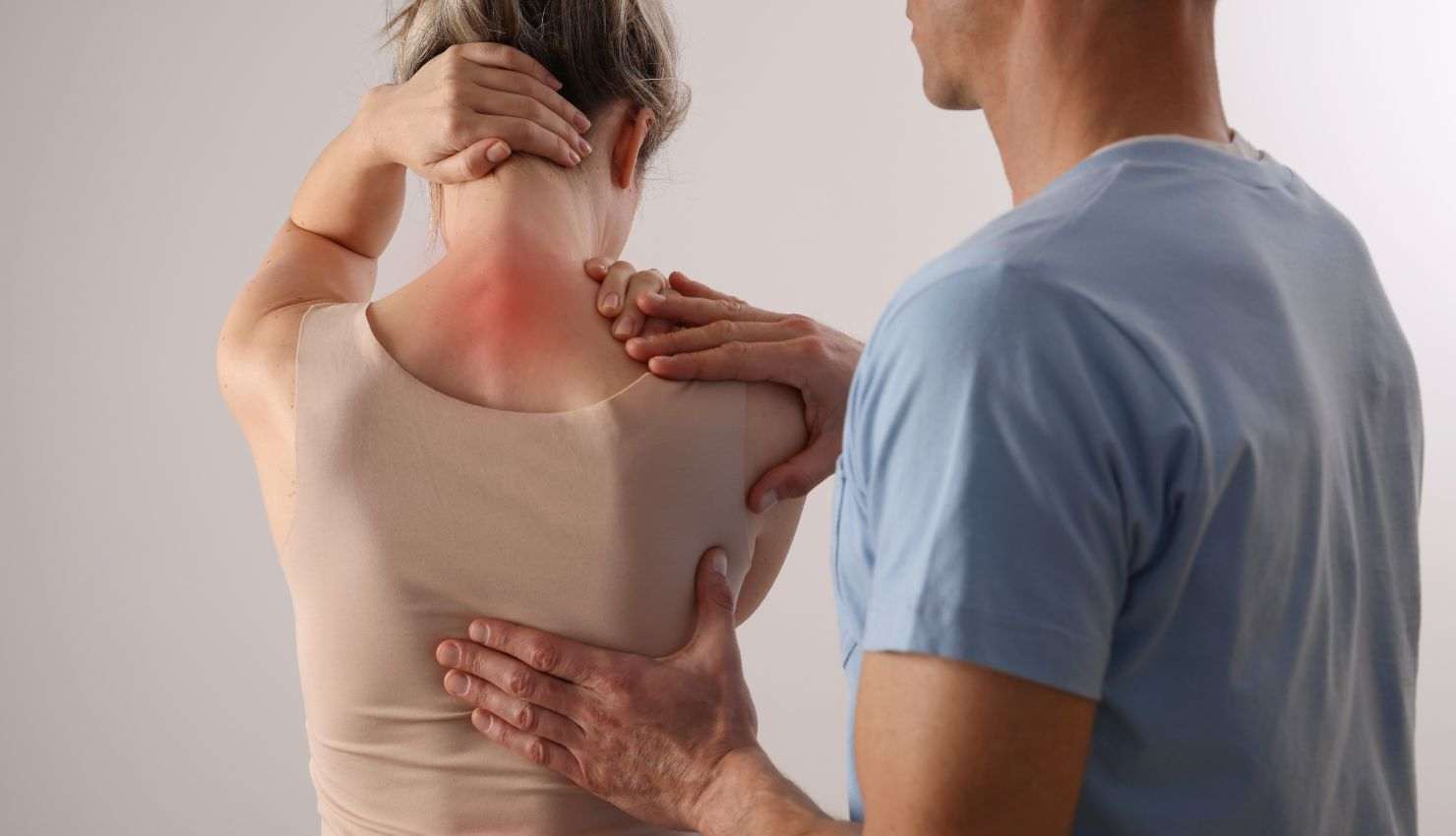
Back pain, stiffness, and poor posture have become so common that many people accept them as a normal part of life. But what if the key to improving spinal health and regaining flexibility lies not in temporary relief, but in targeted core rehabilitation? At Your Form Sux (YFS) in Canada, we believe in treating the root cause of spinal dysfunction, and that often begins at the core.
Lets explore how a dedicated core rehab program can restore balance, relieve pain, and unlock a more mobile, flexible spine.
The Link Between Core Muscles and Spinal Health
The core isnt just a set of absits a network of muscles that wrap around your torso like a corset. These include:
Transverse abdominis
Multifidus
Pelvic floor
Obliques
Diaphragm
Together, they provide crucial stabilization and support for your spine. When these muscles are weak or not firing correctly, your body overcompensates in inefficient ways. The result? Misalignment, stiffness, and eventually, discomfort or injury.
At YFS, we look beyond surface-level issues to assess whether your core is doing its jobsupporting your spine through everyday movement.
Why Flexibility Without Stability Is a Problem
Many people stretch constantly, hoping to relieve back stiffness. But heres the truth: flexibility alone isnt enough. If your spine is too mobile without the right muscular support from the core, it becomes unstable and more prone to injury.
True flexibility comes from a balance of mobility and stability. Thats where core rehabilitation plays a critical role. It builds the strength and control needed to support your spine as you move through various ranges of motion.
When your core is strong and responsive, your spine can flex, extend, and rotate with much greater ease and safety.
How Core Rehabilitation Works
Core rehab isnt about doing hundreds of crunches or working out until youre sore. Its a strategic, progressive approach that activates the deep stabilizing muscles of your core. At YFS, we design programs based on your specific posture, movement patterns, and physical limitations.
Heres how we typically approach core rehabilitation:
Assessment and Movement Analysis
We begin by identifying weaknesses, imbalances, and restrictions. This includes looking at spinal alignment, core muscle engagement, and your bodys natural movement patterns.
Activation of Deep Core Muscles
Many people have underactive core muscles due to sitting, injury, or poor posture. We re-educate the body using exercises like:
Abdominal bracing
Transverse abdominis activation
Diaphragmatic breathing
Bird-dog holds
Dead bugs
Integration into Functional Movement
Once the deep core is firing properly, we progress to movements that challenge balance, coordination, and spinal mobility. This might include:
Stability ball rollouts
Side planks with leg lifts
Resistance band rotations
Spinal Mobility Drills
With a stable core, we then enhance flexibility through guided stretches and mobilization techniques that allow the spine to move fluidly, supported by the surrounding muscles.
The Benefits of Core Rehab for Spinal Flexibility
Once core rehabilitation is underway, many clients report noticeable improvements within weeks. These include:
Improved posture: A strong core naturally aligns your spine for better standing and sitting posture.
Less back stiffness: As your core takes on its support role, spinal joints move more freely.
Better range of motion: With proper stabilization, the spine can move into deeper positions without restriction.
Fewer flare-ups: A stable, supported spine is less likely to become irritated from everyday movement.
Greater confidence in movement: Youll feel stronger and more in control during exercise and daily tasks.
If someones searching for phrases like how to improve spinal flexibility with core rehab or core exercises for better back mobility, theyre likely dealing with the same issues we address every day at YFS.
Why Physiotherapy-Based Core Rehab Is More Effective
Not all core workouts are created equal. Physiotherapy-based core rehab is guided by a trained clinician who understands how the spine functions in real lifenot just in a gym. At YFS, our physiotherapists ensure that:
Movements are tailored to your spines unique needs
Exercises are performed with correct form
The program is progressive and safe
Your goals (pain relief, flexibility, posture) are always top priority
This personalized care ensures that your core rehabilitation isnt just effectiveits sustainable.
Final Thoughts: Build a Strong Core, Free Your Spine
Spinal health and flexibility dont come from stretching alone. They come from teaching your body how to move with strength, control, and support. Core rehabilitation is a powerful way to rebuild this foundationone that protects your back, enhances your mobility, and empowers you to live pain-free.
At Your Form Sux (YFS) in Canada, we help clients of all ages restore their spinal health with expert physiotherapy and core training strategies. If youre tired of stiffness, discomfort, or limited motion, were ready to help you rebuild from the inside out.