How Core Rehabilitation Helps with Spinal Flexibility and Pain Relief explores targeted strategies for recovery. Discover new paths to mobility, healing, and personalized care.

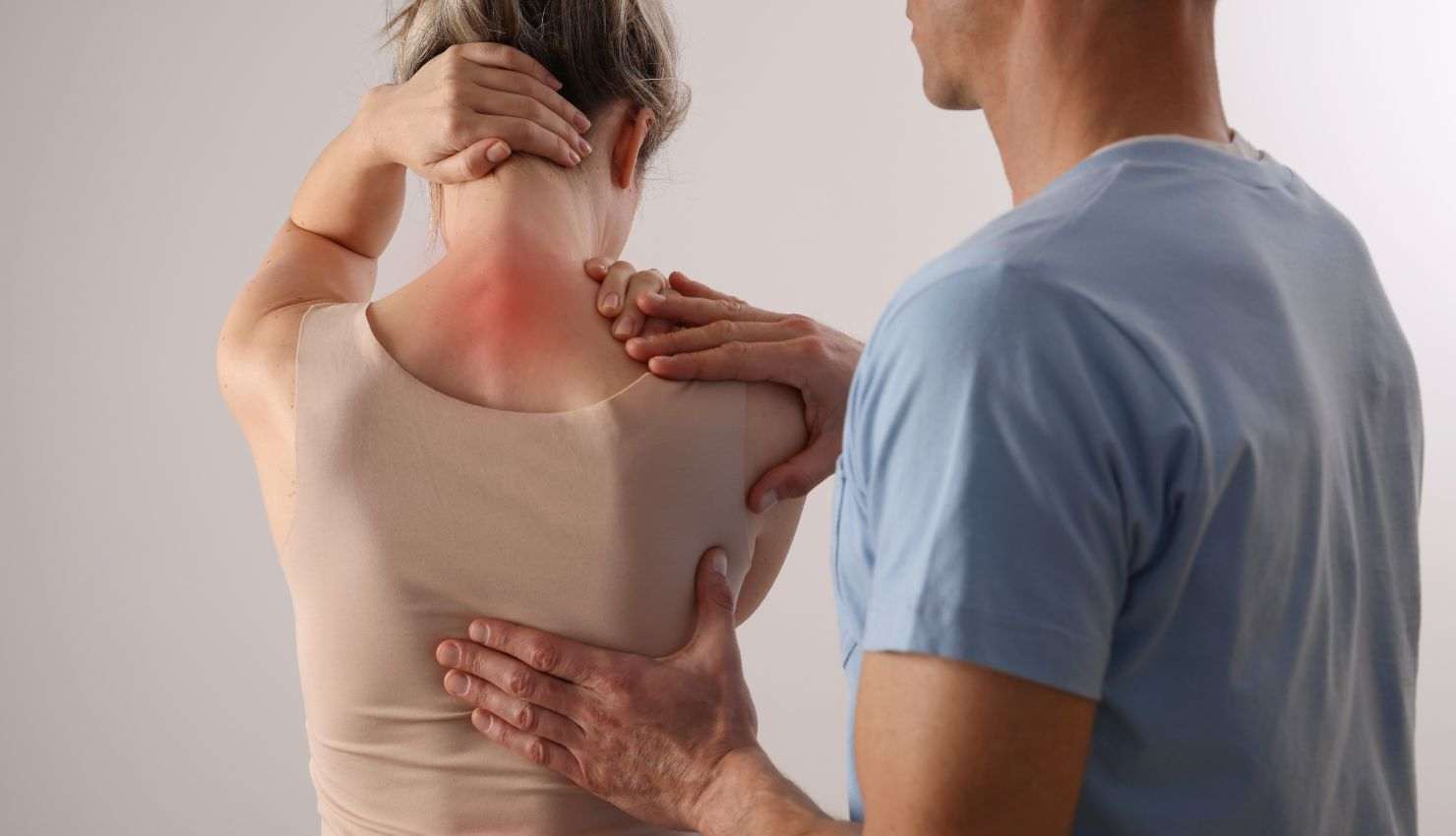
Spinal flexibility and pain relief are goals that many people strive for, especially those experiencing chronic back discomfort or recovering from injury. Core rehabilitation through physiotherapy plays a crucial role in achieving these goals by improving muscle function, spinal mobility, and overall stability.
At Your Forms UX (YFS) in Canada, physiotherapists develop tailored core rehabilitation programs that not only strengthen the core muscles but also enhance spinal flexibility and reduce pain. This dual focus addresses the root causes of many spinal issues and supports long-term spinal health.
Core rehabilitation targets the deep muscles that stabilize the spine, such as the transverse abdominis, multifidus, pelvic floor, and diaphragm. Strengthening these muscles helps protect spinal joints from excessive stress and supports proper movement patterns. At the same time, physiotherapy incorporates flexibility exercises and manual therapy to improve the range of motion of the spine and surrounding tissues.
Improved spinal flexibility is essential for maintaining functional mobility in daily life. A flexible spine allows for smoother, pain-free movements, reducing stiffness and preventing injury. Without adequate flexibility, the spine becomes more susceptible to muscle strain, joint wear, and nerve irritation.
Pain relief achieved through core rehabilitation is often the result of decreased mechanical stress on spinal structures, reduced muscle tension, and improved blood flow. Physiotherapy techniques such as soft tissue mobilization and joint mobilizations complement strengthening exercises by relieving tightness and restoring normal movement.
The rehabilitation process at YFS starts with a thorough assessment of spinal mobility, core muscle strength, and pain patterns. This evaluation guides physiotherapists in designing an individualized program that balances strengthening with flexibility and mobility training.
Core exercises in these programs may include controlled pelvic tilts, bridges, bird-dogs, and gentle spinal rotations, all performed with an emphasis on correct technique and gradual progression. Flexibility exercises target tight muscles such as the hip flexors, hamstrings, and spinal extensors, which often contribute to limited spinal movement and pain.
Education is another vital aspect of core rehabilitation. Clients learn how to maintain spinal mobility and reduce pain through posture correction, ergonomic adjustments, and safe movement practices. This knowledge helps sustain the benefits of therapy beyond clinical sessions.
Many clients report significant improvements in pain levels, range of motion, and overall function following core rehabilitation. This enables them to participate more fully in work, recreation, and daily activities without fear of discomfort or injury.
At Your Forms UX, physiotherapists emphasize a holistic approach that addresses both the muscular and joint components of spinal health. By improving core strength and spinal flexibility simultaneously, they help clients achieve a balanced, pain-free spine.
In summary, core rehabilitation is a powerful tool for enhancing spinal flexibility and relieving pain. Through personalized physiotherapy programs that combine strengthening, flexibility exercises, manual therapy, and education, Your Forms UX supports clients in restoring spinal health and enjoying improved quality of life. If you are struggling with spinal stiffness or pain, a core rehabilitation program guided by a physiotherapist can make a meaningful difference.