How Custom Orthotics Provide Relief for People with Musculoskeletal Disorders explores targeted strategies for recovery. Discover new paths to mobility, healing, and personalized care.

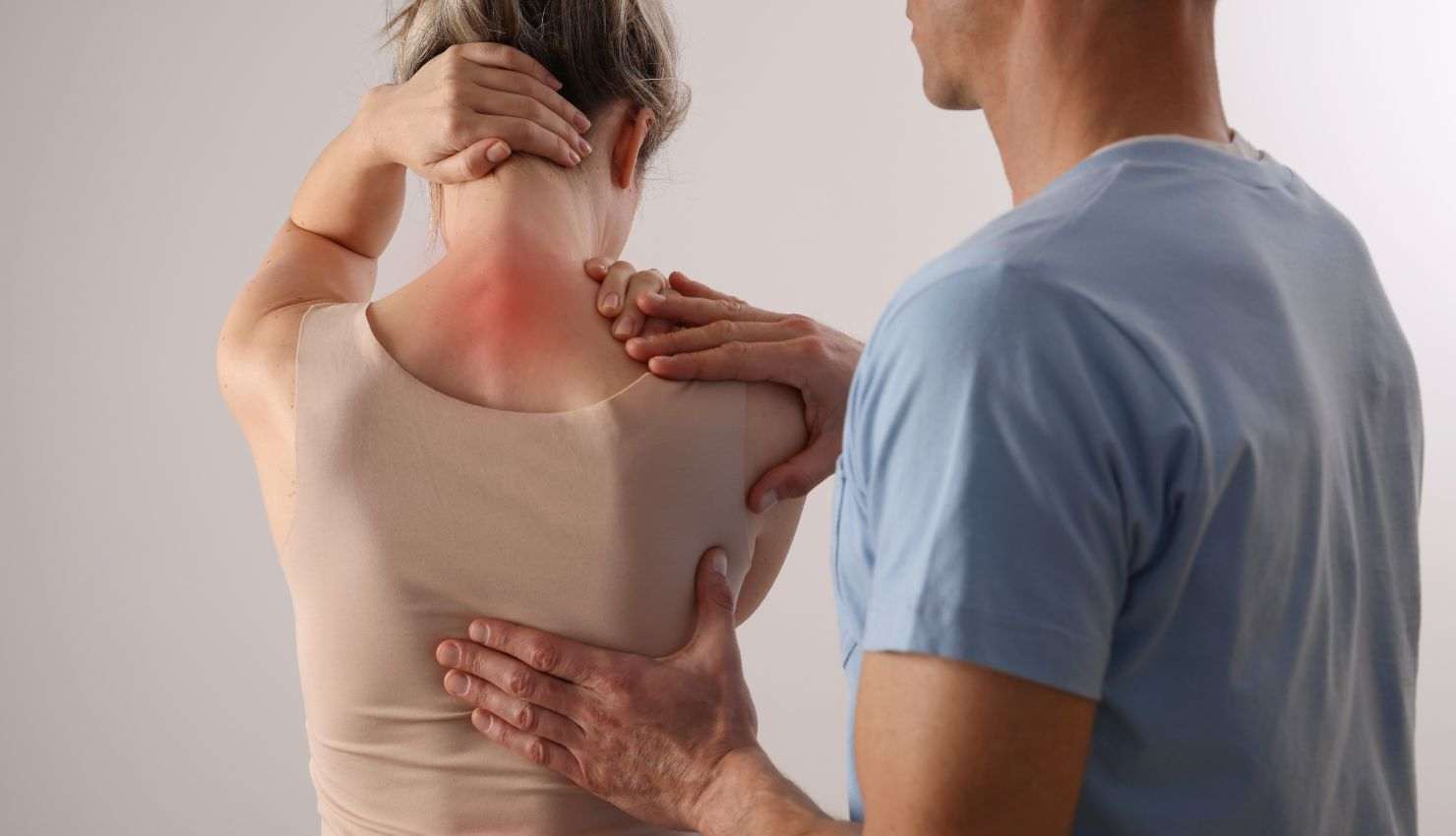
Musculoskeletal disorders (MSDs) affect millions of people, often leading to chronic pain, limited mobility, and reduced quality of life. Whether its arthritis, tendonitis, spinal disc issues, or joint degeneration, these conditions interfere with everyday tasks and make walking, standing, or exercising difficult. Custom orthotics can play a crucial role in managing MSDs by improving alignment, reducing strain on joints, and offering consistent support during movement.
At YourFormSux, we recognize that effective pain management and mobility improvement for people with musculoskeletal disorders requires a personalized approach. Custom orthotics are a non-invasive, supportive solution that addresses the structural issues contributing to pain and dysfunction.
Understanding Musculoskeletal Disorders and Movement
MSDs include a wide range of conditions affecting the bones, muscles, ligaments, tendons, and joints. These may be caused by injury, aging, repetitive stress, poor posture, or genetic predisposition. Some of the most common musculoskeletal conditions include:
Osteoarthritis
Rheumatoid arthritis
Plantar fasciitis
Tendonitis
Degenerative disc disease
Scoliosis
Joint hypermobility
Chronic lower back or knee pain
While each condition is different, a common thread is that movement becomes inefficient and often painful. This leads people to compensate in ways that create further stress and imbalances. Over time, this cycle worsens joint wear and increases discomfort.
How Custom Orthotics Help
Custom orthotics are medical-grade insoles designed to support your unique foot structure and movement patterns. Unlike generic inserts, which provide general cushioning, custom orthotics are created based on a detailed assessment of your gait, foot alignment, and pressure distribution. Their goal is not just to relieve foot pain, but to realign the body and improve how you move.
Heres how orthotics can benefit people with MSDs:
1. Improving Alignment and Posture
Many MSDs stem from poor alignment in the lower body. When the feet are misaligneddue to flat arches, high arches, or unstable ankle mechanicsit affects the entire kinetic chain, from the knees to the hips and spine. Custom orthotics correct foot positioning and guide the body into better postural alignment, which reduces joint strain and muscle fatigue.
2. Reducing Load on Painful Joints
People with arthritis or joint degeneration often experience joint overload, especially in the knees, hips, and lower back. Orthotics redistribute body weight more evenly across the foot, reducing impact stress on inflamed joints and protecting cartilage from further damage. This offloading effect helps decrease pain during walking or standing and supports longer periods of mobility.
3. Enhancing Shock Absorption
Conditions like plantar fasciitis and tendonitis are often aggravated by poor shock absorption. When the foot does not effectively cushion the bodys weight, repetitive impact causes microtears and inflammation. Custom orthotics are crafted from materials that absorb and disperse force, reducing the microtrauma that can aggravate musculoskeletal pain.
4. Supporting Muscle Function and Stability
Orthotics help stabilize the foot and ankle, which enhances muscle control and prevents excessive movement that can worsen musculoskeletal conditions. For people with joint hypermobility or instability, this added support reduces the likelihood of sprains or overextension and makes movement feel more secure.
5. Encouraging Balanced Movement
When pain changes how you walk, your body often develops compensatory habits. For example, limping due to hip pain may cause overuse of the opposite leg and back. Custom orthotics help correct these imbalances by encouraging symmetrical, natural gait. This helps prevent further injury and promotes whole-body function.
6. Supporting Chronic Pain Management
Chronic pain from musculoskeletal disorders can be exhausting and demoralizing. Orthotics do not cure these conditions, but they offer a practical tool to manage symptoms day-to-day. By reducing pain with every step, they empower individuals to stay active, which is essential for long-term health.
Integrated With Physiotherapy and Rehabilitation
At YourFormSux, custom orthotics are part of a broader strategy that includes gait analysis, physiotherapy, and movement retraining. Orthotics enhance the effectiveness of exercises by improving foot mechanics, which translates into better performance of strengthening, balance, and mobility routines. When combined with manual therapy and targeted rehab, the overall treatment becomes more effective and sustainable.
Who Can Benefit from Custom Orthotics for MSDs?
Custom orthotics are ideal for individuals experiencing:
Joint pain aggravated by walking or standing
Balance or gait issues due to neurological conditions
Swelling or inflammation in the feet or lower limbs
Chronic lower back pain linked to foot dysfunction
Joint hypermobility needing structural support
Postural problems contributing to pain or stiffness
Regardless of age or condition, orthotics can help restore comfort and function for those living with MSDs.
Long-Term Benefits and Daily Comfort
Living with a musculoskeletal disorder doesnt have to mean giving up your mobility. Orthotics offer a sustainable way to reduce daily discomfort, improve walking efficiency, and protect your joints from further strain. Over time, this results in less fatigue, more freedom of movement, and greater participation in everyday life.
Take the Pressure Off Your Body
At YourFormSux, our approach is rooted in understanding how your body moves and supporting it in the most natural and effective way possible. Custom orthotics are more than shoe insertstheyre a step toward pain relief, stability, and restored mobility for anyone facing the challenges of musculoskeletal disorders.