How Custom Orthotics Support Recovery from Sports-Related Foot Injuries explores targeted strategies for recovery. Discover new paths to mobility, healing, and personalized care.

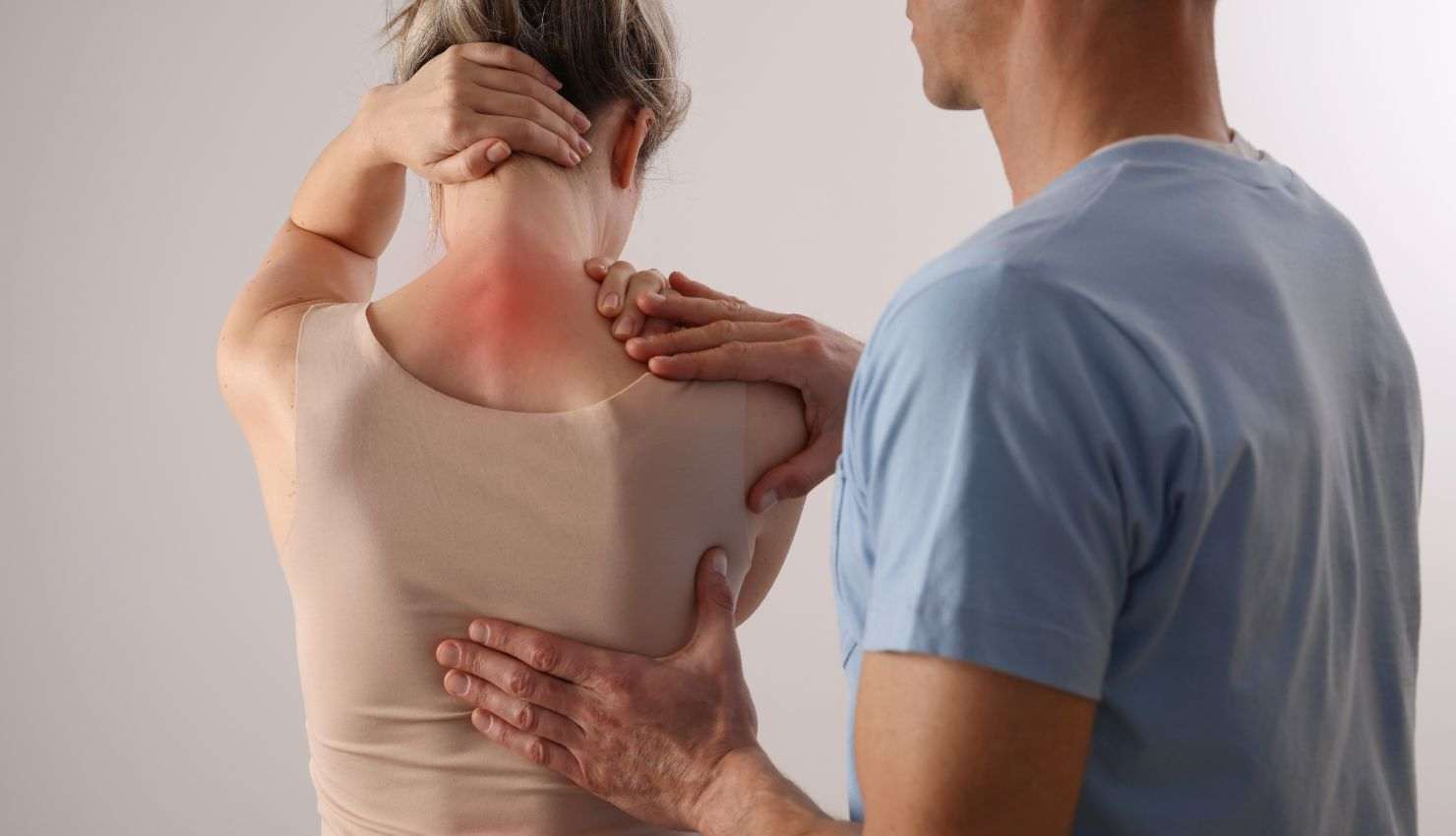
Sports and athletic activities place intense demands on the feet and lower limbs. Whether its sprinting, jumping, sudden direction changes, or long training hours, the stress on the feet can often lead to injuries. Common sports-related foot injuries like plantar fasciitis, Achilles tendinitis, stress fractures, and ankle sprains are not only painful but can also disrupt training and competition. Custom orthotics are a proven solution that supports recovery from these injuries while promoting long-term foot health and performance.
The Demands of Sports on the Feet
Every athletic movement begins with the feet. From running and pivoting to balancing and landing, athletes rely heavily on foot function to stabilize the body and generate power. The repetitive impact, uneven surfaces, and abrupt movements common in sports place a significant burden on the musculoskeletal system, especially when the foot mechanics are less than optimal.
Poor alignment, overpronation, weak arches, or biomechanical imbalances often go unnoticed until pain or injury occurs. Once injured, athletes may change how they move to avoid discomfort, further stressing other joints and muscles.
Common Sports-Related Foot Injuries
Athletes of all levels are susceptible to foot and ankle injuries, including:
Plantar fasciitis: Inflammation of the plantar fascia, causing heel pain
Achilles tendinitis: Overuse of the Achilles tendon leading to pain and stiffness
Ankle sprains: Tearing of ligaments due to rolling or twisting
Stress fractures: Micro-fractures from repetitive impact on bones
Metatarsalgia: Pain in the ball of the foot from pressure and overuse
Shin splints: Pain along the shinbone from repetitive strain
All of these injuries impact performance and require proper rehabilitation and support.
How Custom Orthotics Help in Recovery
Custom orthotics are specially designed insoles tailored to the individuals foot structure and gait. For athletes recovering from injury, these orthotics offer crucial support to minimize strain and promote healing.
1. Realigning Foot Mechanics
Sports injuries often develop due to poor foot alignment or dysfunctional gait. Custom orthotics correct biomechanical issues such as overpronation, uneven pressure distribution, and flat feet. This realignment allows injured tissues to heal without additional stress.
2. Shock Absorption and Cushioning
High-impact sports generate repeated force with every step or jump. Orthotics provide additional cushioning that absorbs shock, reducing trauma to the injured areas and preventing further damage during recovery.
3. Reducing Muscle and Tendon Strain
Injuries like tendinitis or plantar fasciitis worsen with continued overuse. Orthotics redistribute pressure across the foot, offloading stress from strained muscles and tendons. This creates an optimal environment for healing and comfort during daily activities.
4. Preventing Compensatory Injuries
Post-injury compensation is a common problem among athletes. Limping or shifting weight to avoid pain may lead to hip, knee, or lower back strain. Orthotics promote balanced movement, helping athletes return to a natural gait and preventing secondary injuries.
Customized Support for Specific Sports
Custom orthotics can be tailored to fit specific athletic shoes and designed based on the unique demands of each sport. For example:
Runners benefit from orthotics that correct heel strikes and improve arch support.
Basketball players need stability for lateral movements and shock absorption for frequent jumping.
Soccer players benefit from low-profile orthotics compatible with cleats that enhance foot control.
Tennis players require orthotics that support quick pivoting and rapid directional shifts.
This sport-specific customization allows for maximum effectiveness without compromising performance.
Orthotics for Returning to Sport
Custom orthotics dont just aid recoverythey support a safe and confident return to sport. Once the acute injury phase passes, athletes begin rehabilitation that often includes retraining movement, restoring strength, and regaining foot function.
Orthotics support this transition by:
Maintaining proper alignment during rehabilitation
Supporting weak or healing tissues as activity levels increase
Reinforcing correct movement patterns to avoid recurrence
Providing comfort and confidence in training and competition
For many athletes, returning to play without orthotic support increases the likelihood of reinjury.
Preventative Benefits for Long-Term Performance
In addition to aiding recovery, custom orthotics play a key role in preventing future injuries. They address the root causes of biomechanical inefficiencies that often lead to recurring foot pain and performance limitations.
Long-term use of custom orthotics helps:
Reduce fatigue by improving movement efficiency
Maintain joint alignment from the foot to the spine
Prevent strain from uneven weight distribution
Protect the foot during high-intensity or repetitive motion sports
Athletes who use orthotics proactively often experience better endurance, fewer injuries, and improved consistency in performance.
When to Seek Orthotic Support
If youre an athlete currently recovering from a foot injury or experiencing symptoms such as heel pain, arch discomfort, or persistent soreness after training, a custom orthotic assessment can offer insight into your foot mechanics. A trained physiotherapist will perform a gait analysis and pressure mapping to design inserts tailored to your unique needs.
Support That Moves With You
At YFS, we understand that athletes require more than rest to recover. They need tools that actively support their movement and accelerate healing. Custom orthotics are one of the most effective ways to bridge the gap between injury and peak performance.
Recovery doesnt end when the pain stopsit ends when you can move freely, confidently, and without fear of reinjury. With the right orthotics, every step you take becomes part of your comeback.