How Functional Health Checkups Can Improve Your Post-Surgery Movement explores targeted strategies for recovery. Discover new paths to mobility, healing, and personalized care.

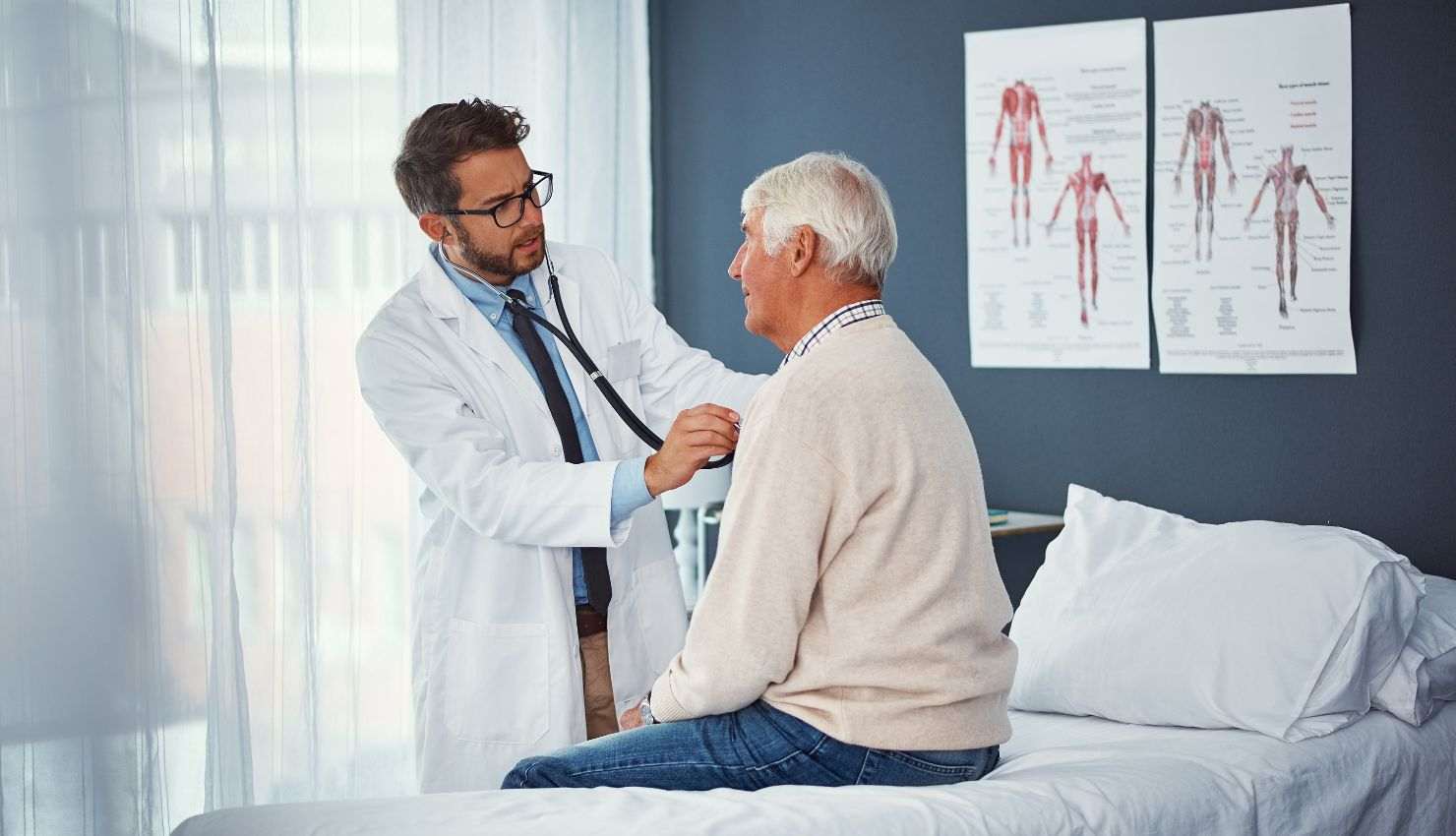
Surgery might fix a structural problem, but it can also leave behind a few leftoversmuscle imbalances, stiffness, guarded movement, or poor posture that developed from compensation or downtime. A functional health checkup helps identify and correct these issues, guiding you back toward safe, confident, and pain-free movement.
Lets break it down.
??? What Is a Functional Health Checkup?
A functional health checkup is a full-body evaluation that looks at how your body is functioning post-surgeryespecially how it moves, balances, and compensates. It focuses on:
Joint mobility and flexibility
Muscle activation and strength
Posture and alignment
Movement patterns (walking, bending, lifting, etc.)
Breathing and core stability
After surgery, even something simple like walking can become unbalanced. You might unknowingly protect the surgical site too much, shift weight to the opposite side, or avoid using certain muscles altogether. A functional checkup brings those habits to light.
?? Why It’s Crucial After Surgery
Surgery is a major reset for your body. Even if its successful, your body still needs to relearn how to move efficiently. Heres how a functional checkup helps:
?? 1. Identifies Compensations
Post-surgery, your body naturally shifts movement to spare the healing area. Over time, these compensations can become permanent patterns that lead to pain or strain elsewhere. A functional assessment helps catch and correct them.
?? 2. Rebuilds Symmetry and Balance
You may not even realize that youre favoring one leg or armor standing with a slight lean. These imbalances throw off your movement and posture. A checkup helps you regain symmetrical strength and function.
?? 3. Restores Full Range of Motion
Scar tissue, joint stiffness, or fear of re-injury can limit your range. Functional checkups identify restrictions and give you the right stretches, mobility drills, and techniques to restore fluid, natural motion.
?? 4. Reactivates Weak Muscles
After time off or restricted use, certain muscles can turn off. A checkup evaluates muscle engagement and gives you exercises to wake up and rebuild those areas, so you regain full strength and control.
??? 5. Supports a Safe Return to Activity
Whether you want to get back to walking, lifting, sports, or even gardeningthis checkup helps make sure your body is ready. It reduces your risk of re-injury by ensuring you move with control and proper alignment.
?? What to Expect in a Post-Surgery Functional Checkup
Depending on your surgery and stage of recovery, your checkup might include:
A postural assessment to identify asymmetries
Joint-by-joint range of motion testing
Strength checks for key muscle groups
Gait and movement analysis (e.g., walking, squatting, reaching)
Breathing and core function evaluation
A customized recovery or rehab movement plan
This is not about pushing your limitsits about learning to move smarter, not harder.
?? Benefits Youll Feel
Less stiffness and soreness
Improved balance and coordination
Stronger, more confident movement
Faster return to everyday activities
Reduced risk of future injury or compensation-based pain
Whether your surgery was a month ago or a year ago, its never too late to re-evaluate how you move.
? Final Thought: Heal Strong, Move Smarter
Surgery is only the beginning. True recovery is about restoring how your body moves, not just waiting for things to feel better. A functional health checkup is the bridge between surgical recovery and long-term mobility, helping you move better, feel stronger, and avoid setbacks.
Because healing isnt just about restingits about rebuilding function.