How Functional Health Checkups Support Injury Prevention in Active People explores targeted strategies for recovery. Discover new paths to mobility, healing, and personalized care.

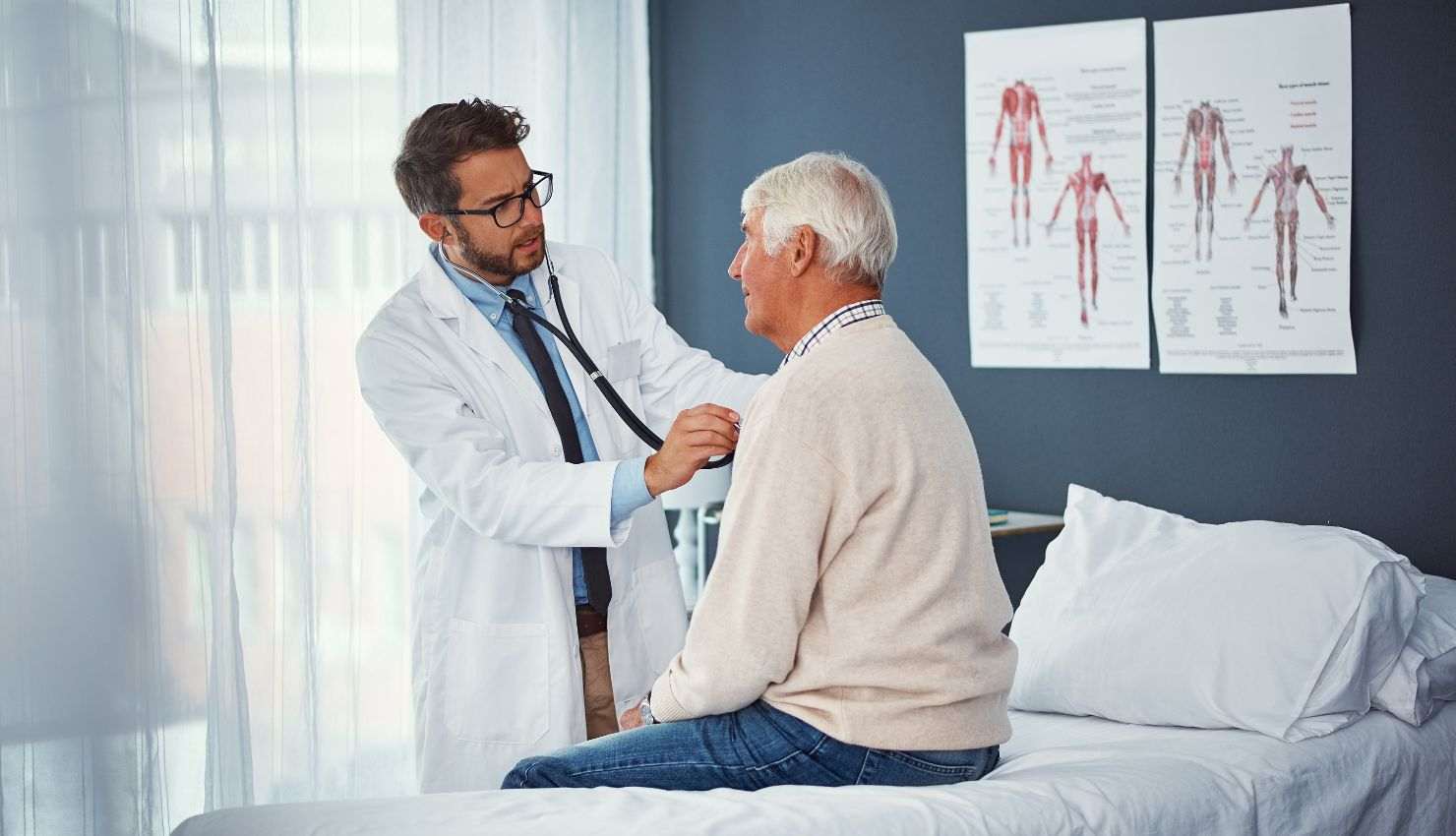
If youre regularly active, you already know how amazing movement feelsuntil something starts to ache. That nagging knee pain, stiff shoulder, or recurring foot soreness? Those usually arent freak accidents. Theyre often the result of movement imbalances or dysfunctions that build up over time.
This is exactly where a functional health checkup shines. Its not just about checking your vitals. Its about assessing how your body moves, compensates, and handles stressso you can catch problems before they lead to injury.
?? What Is a Functional Health Checkup?
Think of it as a deep-dive analysis of your bodys movement patterns.
How well do your joints move?
Are your muscles firing in the right order?
Is your posture helping or hurting your performance?
Are there imbalances or weaknesses you dont even feelyet?
Its often performed by physical therapists, sports medicine professionals, or movement specialists. They look at how your body functions as a whole, not just how it feels today.
??? How It Helps Prevent Injuries
Heres the real magic: functional health checkups help spot issues before they cause pain or damage. Lets look at how:
?? 1. Identifies Weak Links in Your Chain
Your body is a connected system. A weak hip can lead to knee pain. A tight ankle can cause lower back strain. Functional assessments track these movement patterns and find where you’re compensatingso you can fix it before it breaks.
?? 2. Corrects Imbalances and Asymmetries
We all have a strong side and a lazy side. Thats normal. But if left unchecked, these imbalances lead to overuse injuries. A checkup helps rebalance your body through targeted mobility, stability, and strength training.
?? 3. Optimizes Movement Efficiency
The more efficiently your body moves, the less wear and tear on your joints and tissues. Think of it like tuning a machinewhen everythings aligned, theres less friction and less chance of breaking down.
?? 4. Spots Early Red Flags
Sometimes your form looks finebut there are tiny inefficiencies or areas of tightness that could become a problem in a few weeks or months. A functional checkup gives you that early-warning system.
?? 5. Tailors Your Training for Longevity
Its not about doing moreits about doing whats right for your body. Functional assessments help adjust your workouts so youre training smarter, not harder. That means fewer injuries, better performance, and more days doing what you love.
?? What Happens During the Checkup?
Heres what a typical functional health checkup includes:
Posture and alignment screening
Joint range of motion tests
Muscle activation and balance checks
Gait or movement analysis (e.g., running, squatting, lifting)
Core and stability assessments
Personalized feedback and corrective strategies
Bonus: You may even get video analysis to visually track and improve your form.
?? The Benefits for Active Lifestyles
After a functional checkup, youll walk away with:
A clear understanding of your risk areas
Customized exercises and mobility work
Tips to improve form and prevent overtraining
Peace of mind that your bodys working with you, not against you
And best of all? You stay active without interruption from annoying or avoidable injuries.
?? Final Word: Move Better, Stay in the Game
Injuries can derail your progress, sap your motivation, and set you back weeksor months. But most of them? Theyre preventable. Functional health checkups give you the insights and tools to bulletproof your body from the inside out.
Because when your body moves well, you perform betterand stay in the game longer.