How Functional Health Checkups Support Recovery and Prevent Injury explores targeted strategies for recovery. Discover new paths to mobility, healing, and personalized care.

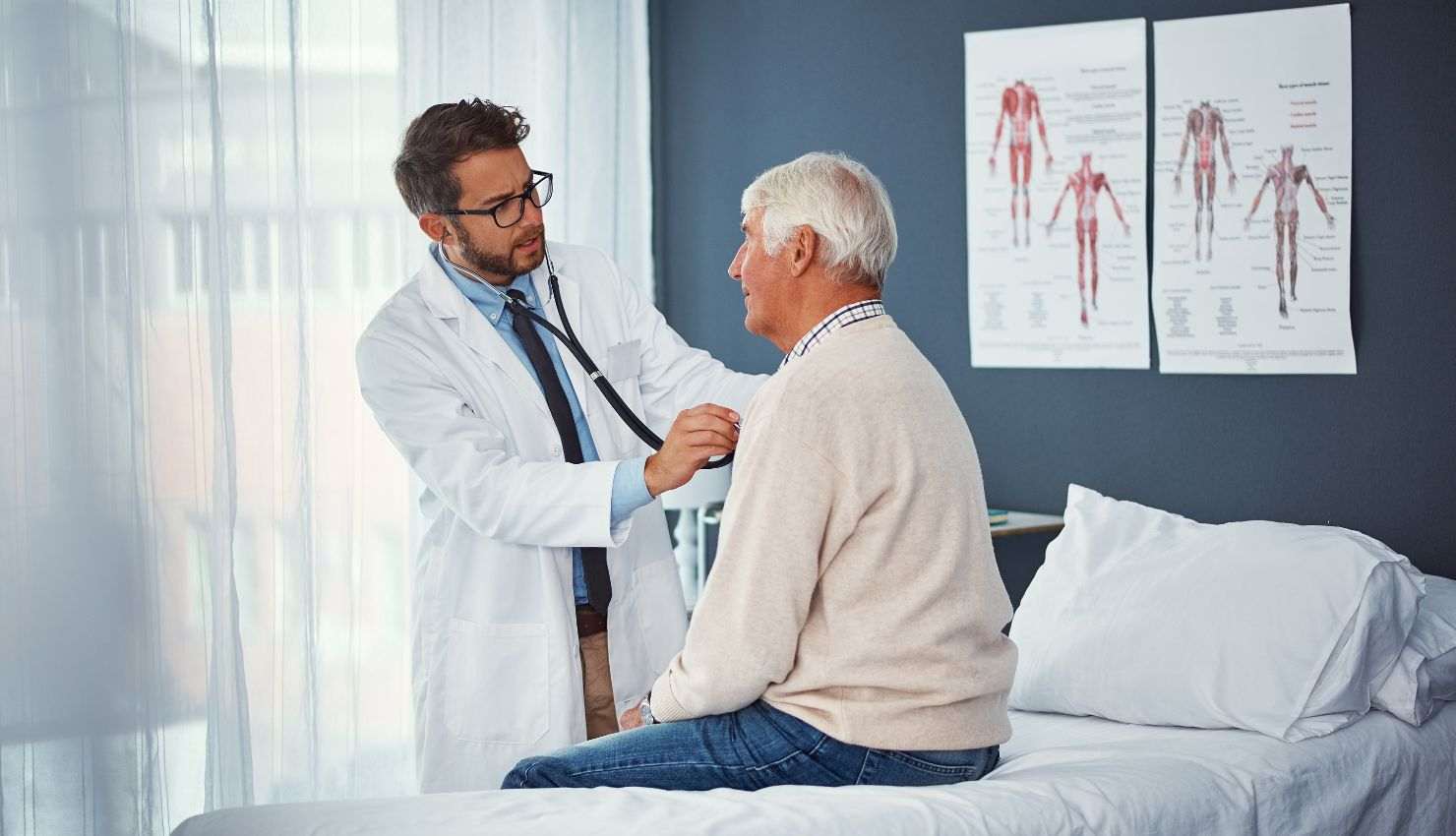
Lets say youve just bounced back from a sprain, a pulled muscle, or maybe a nagging back issue that finally got better. Great, right? But heres the thingrecovery isnt just about healing the pain; its about making sure it doesnt come back. Thats exactly where functional health checkups shine.
Whether you’re recovering from an injury or hoping to avoid one altogether, these checkups help your body move better, heal smarter, and stay strong for the long haul.
?? What Is a Functional Health Checkup, Exactly?
A functional health checkup isnt your typical doctors visit. Instead of focusing solely on illness or injury, it evaluates how your body moves, balances, and stabilizes itself. Think of it as a physical performance reviewnot for athletes only, but for anyone who wants to move through life pain-free.
It focuses on:
Joint mobility and flexibility
Muscle strength and coordination
Posture and alignment
Movement patterns during everyday tasks
Balance and core stability
This deep-dive into your bodys mechanics is especially important when youre healing from an injury or trying to prevent one in the first place.
?? How Functional Checkups Aid in Recovery
Lets talk healing. After an injury, your body naturally compensatesshifting weight, adjusting posture, and activating other muscles to avoid discomfort. The problem? These compensations often become habits, leading to long-term imbalances and new injuries.
Heres how functional checkups help:
? Identify and Correct Compensations
They detect subtle movement changes you may not even notice. Maybe your left leg is overworking because your right ankles still stiff. A functional assessment will catch that before it causes further issues.
? Track Healing Progress
Its hard to tell on your own if youre back to normal. These checkups give objective datameasuring strength, flexibility, and functionto ensure youre truly healed and ready to resume full activity.
? Customize Rehab and Exercise Plans
No two injuries are the same, and neither are the recovery journeys. A functional checkup tailors your recovery plan to your specific movement needs, not just general rehab protocols.
??? How They Help Prevent Injuries in the First Place
Even if you havent been injured, your body might be on the edge of onethanks to poor movement patterns, weak stabilizers, or overused joints. Functional health checkups act like an early warning system.
Heres how they prevent future problems:
?? Spot Weaknesses and Imbalances Early
Most injuries come from overloadone joint doing too much because another isnt doing its part. Functional assessments highlight these problems before they break you down.
?? Reinforce Proper Movement Habits
From lifting boxes to tying shoes, how you move matters. These checkups retrain your body in safe, efficient movement, protecting your muscles and joints for years to come.
??? Support Physically Demanding Jobs
If youre in construction, manufacturing, or any field with repetitive motion or heavy lifting, functional checkups help prevent common injuries like back strain, shoulder issues, or joint wear.
?? The Long-Term Win: Stay Active, Stay Independent
Whether youre recovering from something now or simply trying to protect your body for the future, functional health checkups are one of the best tools out there. They help your body perform at its bestday in and day outso you can keep doing the things you love, without the setbacks.
In short? Functional health checkups help you bounce back better and stay one step ahead of injury. It’s not just about healingit’s about building resilience into your daily movements.