How Gait Analysis Can Help with Balancing Your Walking and Running Form explores targeted strategies for recovery. Discover new paths to mobility, healing, and personalized care.

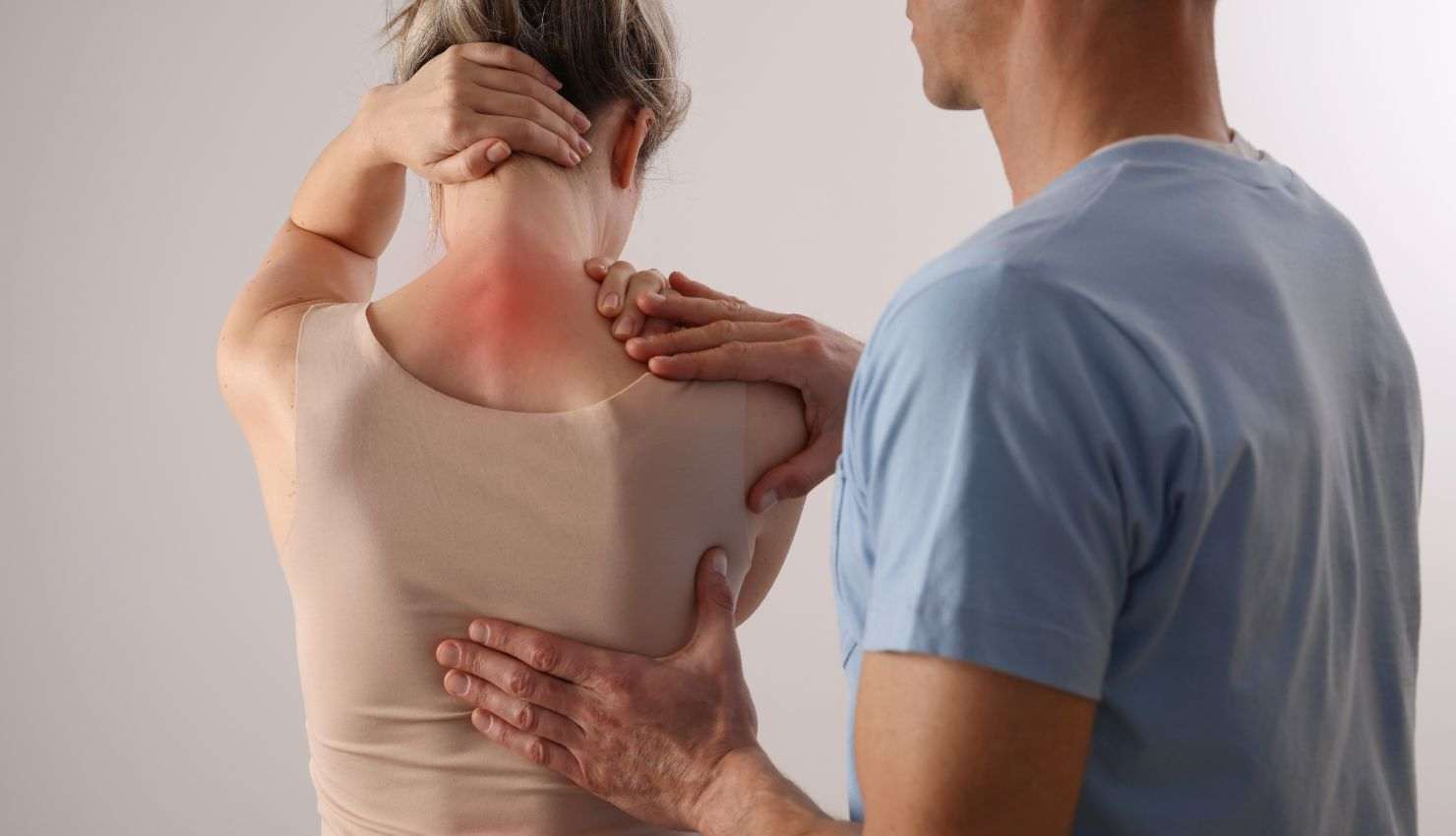
The way we walk and run says a lot about how our body moves as a whole. Whether you’re a professional athlete, an active individual, or simply someone who experiences discomfort while moving, understanding your gait can make a significant difference. Gait analysis is a science-based method that evaluates the biomechanics of walking and running. At Your Form Sux (YFS), we use advanced gait analysis to identify movement inefficiencies, imbalances, and potential causes of pain. The ultimate goal? To help you achieve a more balanced and efficient form for both walking and running.
What is Gait Analysis?
Gait analysis involves a detailed assessment of how your body moves during walking or running. It captures data on stride length, foot placement, hip movement, joint alignment, and more. Physiotherapists use tools like pressure-sensitive mats, video recordings, and movement sensors to analyze your gait patterns. This in-depth information helps determine whether your biomechanics are contributing to current or future pain, discomfort, or poor posture.
Why Balance Matters in Walking and Running
Balance is not just about staying upright. It involves symmetry between both sides of your body, even muscle use, and optimal joint movement. An imbalance in walking or running form may result from one leg bearing more weight, uneven foot strike patterns, poor posture, or muscular compensation. Over time, these issues can lead to fatigue, joint strain, injuries, or chronic pain in the knees, hips, or lower back.
For instance, if you tend to roll your foot inward too much (overpronation) while running, it can cause instability in your ankle and knee joints. Conversely, underpronation limits your foot’s ability to absorb shock. Gait analysis identifies these subtle misalignments so that corrective action can be taken before more serious complications arise.
Detecting and Correcting Movement Asymmetries
One of the key benefits of gait analysis is its ability to pinpoint asymmetries in your gait cycle. These imbalances often go unnoticed but could be the root cause of foot, ankle, or knee discomfort. By analyzing both the stance and swing phases of your gait, physiotherapists can detect whether your stride is too short, if you drag one foot, or if you tend to shift your weight more to one side.
Corrective interventions may include customized exercise routines, posture training, or the use of custom orthotics. When targeted correctly, these changes can significantly improve walking and running mechanics, reducing strain on muscles and joints.
Enhancing Running Efficiency
For runners, even minor inefficiencies can lead to reduced performance or injury. Common running form issues include heel striking, excessive vertical bounce, and lack of hip engagement. Gait analysis helps uncover these issues and provides data-driven recommendations for improving cadence, stride length, and overall running economy.
An efficient running form distributes impact forces evenly, conserves energy, and minimizes wear and tear on the joints. At YFS, we tailor your recovery and training plan based on your gait assessment to ensure sustainable improvements without overtraining or causing new problems.
Injury Prevention and Recovery
Gait analysis plays a crucial role in injury prevention and rehabilitation. By identifying abnormal movement patterns, our physiotherapists can intervene early to reduce the risk of overuse injuries such as shin splints, plantar fasciitis, runners knee, or Achilles tendinitis. If youve already suffered from one of these injuries, gait analysis helps in tailoring your rehabilitation plan to ensure you dont return to activity with the same faulty movement habits that caused the injury.
Our approach includes corrective exercises, stretching protocols, strengthening routines, and recommendations for footwear or custom orthotics, all designed based on your unique gait profile.
Better Posture through Gait Correction
Posture is closely linked to your gait. Improper walking or running mechanics often lead to compensations elsewhere in the body. For example, a misaligned pelvis during walking can cause lower back pain, while an unstable gait can contribute to shoulder tension or neck discomfort. By improving your gait, we help restore proper alignment throughout your musculoskeletal system, which in turn enhances your overall posture and reduces chronic discomfort.
Customized Solutions for Every Body
At YFS, gait analysis isnt a one-size-fits-all approach. We understand that everyones movement is different. Whether you are recovering from an injury, training for a marathon, or simply looking to improve daily comfort, we build personalized treatment and exercise plans to restore optimal biomechanics. This customized approach maximizes long-term outcomes and ensures your movement remains pain-free and efficient.
Who Should Consider Gait Analysis?
You dont have to be a professional athlete to benefit from gait analysis. Its recommended for:
People with recurring pain in the feet, knees, hips, or back
Individuals recovering from surgery or injury
Athletes looking to enhance performance
Runners experiencing discomfort or inefficiencies
People with flat feet, high arches, or abnormal foot strike patterns
Anyone who wants to prevent long-term musculoskeletal issues
Walking and Running in Harmony
When your walking and running forms are aligned, your body works in unison. Gait analysis bridges the gap between discomfort and efficient movement by making the invisible visible. Through precise evaluation and expert-led correction strategies, YFS helps you move with purpose, power, and pain-free precision.
Realign Your Movement, Realign Your Life
If your walking or running feels offeven just slightlygait analysis can be the turning point. By diagnosing misalignments early and applying personalized interventions, you can transform the way you move. At Your Form Sux, were here to help you rediscover the joy of balanced, efficient, and comfortable motion, one step at a time.