How Gait Analysis Can Improve Posture and Reduce Back Pain explores targeted strategies for recovery. Discover new paths to mobility, healing, and personalized care.

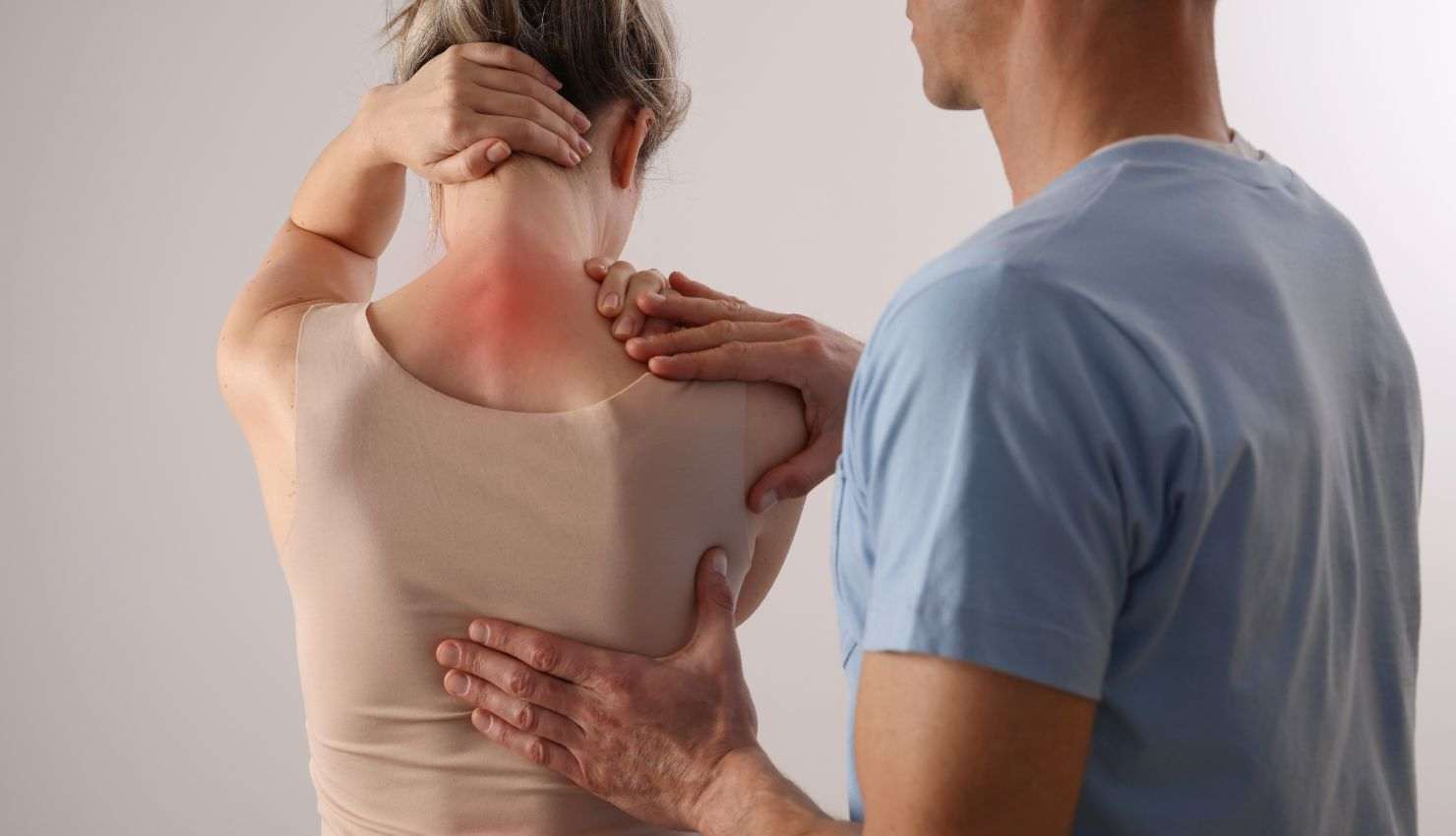
Back pain is one of the most common complaints among adults, affecting millions of people worldwide. Whether caused by poor posture, muscle strain, or misalignment of the spine, back pain can be debilitating and interfere with daily activities. One of the most effective ways to address and prevent back pain is by improving posture, and one of the best tools for achieving this is gait analysis. By analyzing how a person walks, gait analysis can identify posture issues and help develop strategies to improve alignment, reduce strain on the spine, and alleviate back pain.
Understanding the Connection Between Posture and Back Pain
Posture refers to the way you hold your body while standing, sitting, or moving. Good posture ensures that your spine is in its natural alignment, reducing the strain on muscles, ligaments, and joints. Poor posture, on the other hand, can lead to misalignments in the spine, increased pressure on the discs and nerves, and muscle imbalances, all of which contribute to back pain.
For example, slouching or leaning forward when standing or sitting places excess pressure on the lower back and can lead to chronic pain. Similarly, an abnormal gait can cause misalignment in the spine and pelvis, leading to pain in the lower back, hips, and legs. By improving posture and correcting walking mechanics, individuals can reduce the risk of back pain and enhance their overall mobility and comfort.
What is Gait Analysis?
Gait analysis is the study of how a person walks, examining the mechanics of movement, posture, and alignment. Using advanced technology, such as motion capture systems, pressure sensors, and video analysis, gait analysis provides a detailed assessment of an individuals walking patterns. It evaluates factors such as:
Stride length
Foot placement
Hip and knee alignment
Body posture
Symmetry of movement
By identifying abnormalities or inefficiencies in these areas, gait analysis can pinpoint the root causes of poor posture and back pain. It can also provide valuable insights into how walking mechanics impact spinal alignment and overall body posture.
How Gait Analysis Helps Improve Posture
Identifying Misalignments and Abnormalities
One of the main benefits of gait analysis is its ability to detect misalignments or abnormalities in walking patterns. For instance, if a persons feet are not properly aligned or if they walk with a limp or excessive foot rotation, it can cause the pelvis and spine to shift out of alignment, leading to poor posture and back pain.
By examining the entire bodys movement during walking, gait analysis can detect these misalignments early on. Once identified, healthcare providers can recommend corrective measures, such as exercises, physical therapy, or custom orthotics, to help improve posture and reduce the strain on the spine.
Improving Body Symmetry
Symmetry is essential for maintaining proper posture and preventing back pain. When one side of the body is weaker or moves differently from the other, it can lead to imbalances that affect posture and alignment. For example, if a persons stride length is uneven or if one leg is weaker than the other, it can cause the spine to twist or shift, leading to discomfort and pain.
Gait analysis helps identify these asymmetries, allowing healthcare providers to recommend exercises and therapies that strengthen the weaker side of the body and restore balance. By improving body symmetry, individuals can enhance their posture and reduce the risk of back pain.
Correcting Foot and Knee Alignment
The alignment of the feet and knees plays a significant role in overall posture and spinal alignment. For example, if a persons feet roll inward (overpronation) or outward (supination) during walking, it can affect the knees, hips, and spine, leading to poor posture and back pain.
Gait analysis identifies these issues and provides targeted solutions, such as custom orthotics or physical therapy, to correct foot and knee alignment. By ensuring that the feet and knees are properly aligned, gait analysis can help restore proper posture and reduce the strain on the back.
Reducing Excessive Hip and Pelvis Movement
Excessive movement in the hips and pelvis during walking can cause misalignment in the spine, leading to poor posture and back pain. Gait analysis assesses the motion of the hips and pelvis, identifying any abnormal movement patterns that may be contributing to pain.
Corrective measures, such as strengthening exercises for the hips and core muscles, can help stabilize the pelvis and reduce unnecessary movement. This, in turn, improves posture and reduces the risk of back pain caused by misalignment.
The Role of Custom Orthotics in Improving Posture and Reducing Back Pain
For individuals with abnormal foot mechanics, custom orthotics can play a crucial role in improving posture and reducing back pain. Custom orthotics are insoles designed to fit the unique structure of a persons feet, providing support and alignment where its needed most.
For example, if gait analysis reveals that a person has overpronation or supination, custom orthotics can help correct these issues by providing the necessary arch support and cushioning. By improving foot alignment, orthotics can help align the knees, hips, and spine, reducing the strain on the back and improving overall posture.
Orthotics also help with shock absorption, reducing the impact on the joints during walking or standing. This added cushioning can reduce the stress on the lower back, alleviating pain and promoting better posture.
The Benefits of Improved Posture for Back Pain Relief
Improving posture through gait analysis and corrective measures can have a significant impact on reducing back pain. Here are some of the key benefits of improved posture:
Reduced Strain on the Spine
Proper posture helps to maintain the natural curves of the spine, reducing pressure on the discs and nerves. This alleviates back pain and prevents the development of chronic conditions such as herniated discs or sciatica.
Decreased Muscle Tension
Poor posture often leads to muscle imbalances and tension, particularly in the back, neck, and shoulders. By improving posture, muscle tension is reduced, which helps alleviate pain and discomfort.
Improved Mobility
When the body is properly aligned, it moves more efficiently, reducing the strain on the muscles and joints. This leads to improved mobility, making it easier to perform daily activities without pain.
Prevention of Future Injuries
By addressing posture issues early on, individuals can prevent the development of more serious musculoskeletal problems in the future. Proper posture helps maintain spinal health and reduces the risk of injuries caused by poor alignment.
Conclusion: Take the First Step Towards Pain-Free Living
Back pain is a common issue, but it doesnt have to be a permanent part of your life. By improving posture and correcting walking patterns through gait analysis, you can reduce the strain on your spine and alleviate back pain. Whether its through physical therapy, custom orthotics, or targeted exercises, gait analysis provides valuable insights that can help you move more efficiently, improve your posture, and live a pain-free life.
If youre experiencing back pain or struggling with poor posture, consider undergoing a gait analysis to identify the root causes of your discomfort. With the right intervention, you can regain proper alignment, reduce pain, and enjoy better overall mobility.