How Gait Analysis Helps Correct Uneven Walking and Improve Posture explores targeted strategies for recovery. Discover new paths to mobility, healing, and personalized care.

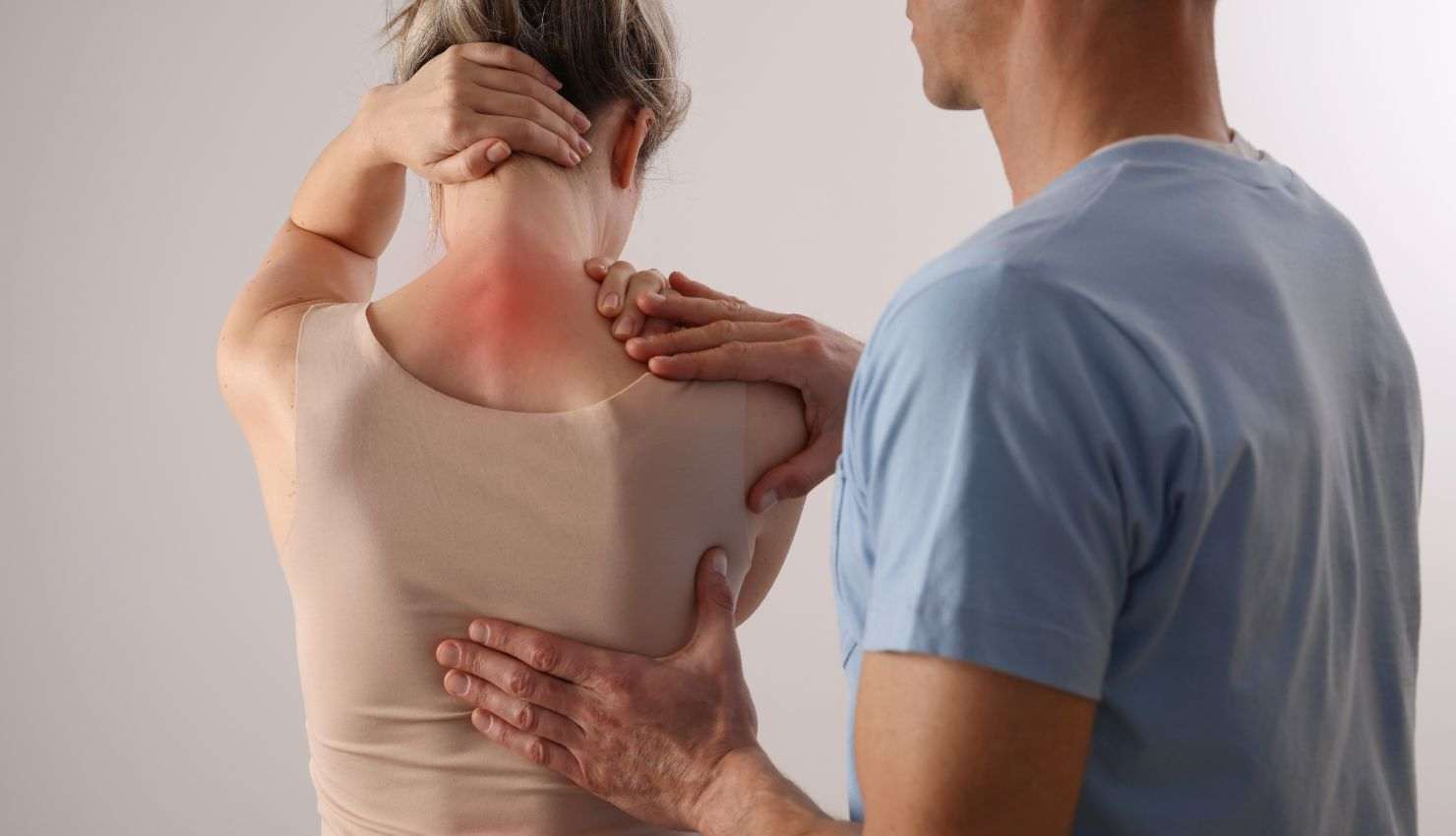
Do you ever feel like your walking is off-balance, or that one side of your body moves differently than the other? Uneven walking patterns are more common than people realize and often develop gradually due to injury, muscle imbalances, or poor posture. These subtle irregularities can lead to discomfort, inefficiency, and long-term strain on your joints. At Your Form Sux (YFS), we use gait analysis to uncover the source of uneven walking patterns and help clients correct them for better posture, mobility, and overall well-being.
What Is Uneven Walking?
Uneven walkingor asymmetric gaitoccurs when one side of the body behaves differently than the other while walking. You may notice one leg swinging out wider, one foot hitting the ground harder, or your hips dipping unevenly. These changes are often signs of an underlying issue in muscle strength, joint mobility, or nervous system control.
Common causes include:
Previous injury or surgery (e.g., ankle sprain, hip replacement)
Muscle imbalances between the right and left side
Leg length discrepancy
Poor foot mechanics (e.g., overpronation on one side)
Neurological conditions affecting coordination
Habitual postures that affect gait rhythm
Over time, these patterns can lead to misalignment in the knees, hips, and spinecontributing to pain, fatigue, and poor posture.
How Gait Analysis Detects Asymmetry
At YFS, gait analysis allows us to examine how your body moves in detail using video technology, pressure mapping, and joint angle analysis. We assess:
Stride length and rhythm on each side
Hip and pelvis movement
Foot strike patterns and timing
Joint motion in the knees, hips, and ankles
Postural alignment during walking
This comprehensive analysis helps identify the exact point where your movement becomes asymmetrical. With this data, we can determine whether the root cause is structural, muscular, or neurological.
Why Uneven Walking Affects Posture
Posture and gait are closely connected. If your walking pattern is uneven, your posture is likely compensating somewhereusually in your pelvis, spine, or shoulders. For example, a limp or shortened stride can cause one hip to rotate excessively, pulling your spine out of alignment and creating chronic tension in your back or neck.
Correcting walking patterns through gait retraining not only improves how you walk but also enhances your static posture. Youll stand taller, feel more centered, and move with greater ease.
Gait Retraining: How We Correct Asymmetry
Once we identify the cause of your uneven gait, the team at YFS creates a personalized plan to restore symmetry and balance. This may include:
Strengthening exercises to correct muscle imbalances (e.g., glutes, calves, core)
Stretching tight muscles that limit motion on one side
Balance and coordination training to improve movement control
Manual therapy to address joint restrictions
Postural education to correct daily movement habits
Custom orthotics to realign the feet and prevent asymmetrical loading
This multi-faceted approach retrains the body to move in harmony, reducing compensations and encouraging better walking mechanics.
The Role of Custom Orthotics in Gait Symmetry
Foot misalignment is often a key contributor to uneven walking. Overpronation, collapsed arches, or high arches on one side can throw off your stride. Custom orthotics help correct these problems by:
Supporting the foots natural arch
Ensuring equal weight distribution
Controlling excessive motion during gait
Providing cushioning for high-impact areas
When orthotics are combined with gait training and physiotherapy, they promote lasting improvements in both movement and posture.
Benefits of Correcting Uneven Gait
Correcting uneven walking patterns offers wide-reaching benefits:
Improved balance and stability
Reduced risk of injury from compensatory movements
Relief from chronic pain in the feet, knees, hips, or back
Better energy efficiency and endurance during walking
Enhanced posture and coordination
Even small changes in how you walk can significantly improve your comfort and long-term health.
Who Should Consider Gait Analysis?
You may benefit from gait analysis if you:
Have a history of injury on one side of the body
Experience pain or fatigue during walking
Notice your shoes wear out unevenly
Feel off-balance or unstable while walking
Have posture issues or frequent back pain
Use orthotics but still experience discomfort
The sooner uneven walking patterns are identified and corrected, the easier it is to prevent chronic compensation and restore normal movement.
Move with Symmetry and Strength
Walking should feel smooth, balanced, and effortless. If youre dealing with uneven walking or struggling with posture-related discomfort, gait analysis at Your Form Sux can provide the answersand the supportyou need. By identifying the root causes and guiding you through personalized correction, we help you build a more stable, aligned foundation for everyday movement.
Take the first step toward balanced walking and better posture by scheduling a gait assessment with YFS today.