How Gait Analysis Helps Detect Walking Issues and Prevent Injuries explores targeted strategies for recovery. Discover new paths to mobility, healing, and personalized care.

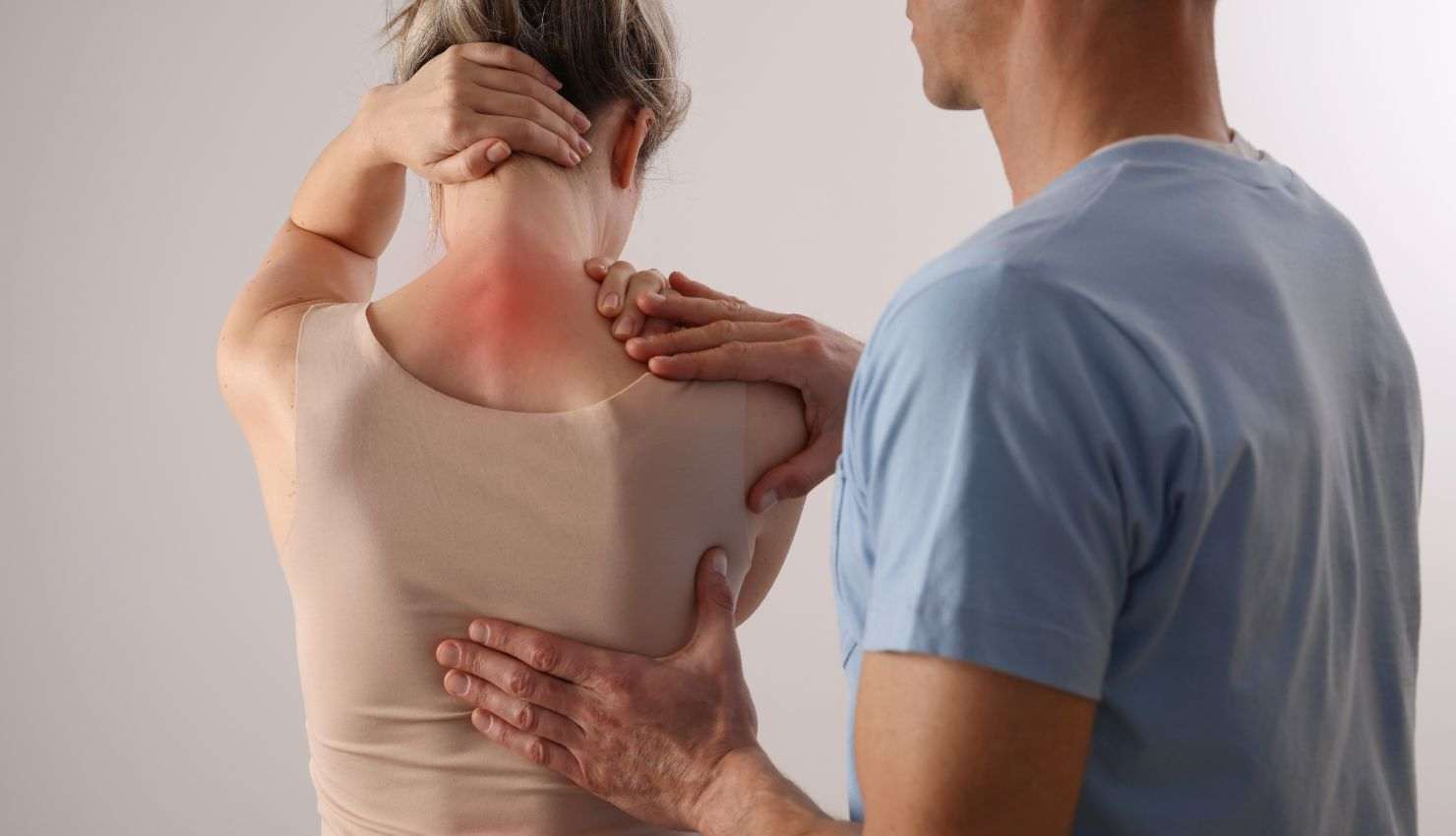
Walking may seem like a simple and automatic action, but it involves a complex sequence of movements that require coordination between joints, muscles, and nerves. When something disrupts this coordination, walking issues can develop, often leading to injuries over time. Gait analysis is a highly effective physiotherapy tool that helps detect walking abnormalities, prevent injuries, and support long-term mobility. At Your Form Sux (YFS), we use gait analysis to identify underlying problems, customize treatment plans, and help clients achieve healthier, pain-free movement patterns.
Understanding Gait Analysis
Gait analysis is the biomechanical assessment of how a person walks or runs. It evaluates the timing, rhythm, symmetry, and joint motion in the lower extremities. At YFS, our physiotherapists use advanced equipment and observational techniques to measure gait characteristics and pinpoint imbalances or irregularities. By capturing detailed information about each step, we can detect even subtle abnormalities that might be overlooked during routine physical exams.
Common Walking Issues Gait Analysis Detects
A person might not even realize their walking pattern is off. Gait analysis reveals dysfunctions such as overpronation, underpronation, limping, foot dragging, unequal step lengths, and imbalances between the right and left side. These issues are often symptoms of underlying problems like joint restrictions, muscle weakness, leg length discrepancies, or neurological conditions.
Identifying these irregularities early is critical. Left untreated, they can lead to chronic pain, mobility restrictions, or injuries such as shin splints, plantar fasciitis, hip pain, or lower back strain.
Injury Prevention Through Early Detection
One of the most valuable roles of gait analysis is injury prevention. Repetitive stress caused by poor walking mechanics leads to overuse injuries, especially in the feet, knees, hips, and spine. Athletes, seniors, and people recovering from surgery are especially at risk. Gait analysis enables physiotherapists to identify biomechanical stress points before injuries develop.
For example, if someone excessively rolls their feet inward (overpronation), it could place too much pressure on the inner ankle and knee. With gait analysis, this pattern is easily detected, and the right interventionsuch as corrective exercises or orthoticscan be introduced before it results in injury.
Personalizing Rehabilitation and Treatment Plans
Gait analysis not only detects issues but also allows for targeted rehabilitation. At YFS, once we determine the root cause of a walking issue, we create an individualized therapy plan. This may include exercises to strengthen weak muscles, stretches for tight areas, postural adjustments, or gait retraining.
Additionally, custom orthotics are often recommended based on gait analysis findings. These tailored insoles provide the structural support needed to correct alignment issues and redistribute pressure across the foot, enhancing comfort and reducing injury risk.
Benefits for Seniors, Athletes, and Everyday Walkers
While gait analysis is widely used in sports medicine, it is just as beneficial for seniors and the general population. Seniors often experience joint stiffness, balance problems, or muscle weakness that alters their gait. A small deviation in walking patterns can increase the risk of falls. Gait analysis for older adults helps physiotherapists design balance training and mobility interventions that support safer walking.
For runners or high-performance athletes, gait analysis provides performance insights and helps prevent overuse injuries. Even non-athletes who experience recurring foot or lower back pain can benefit from understanding how their gait may be contributing to discomfort.
Enhancing Posture and Whole-Body Alignment
Walking patterns influence more than just the feetthey impact posture and spinal alignment. A poor gait can lead to misalignment throughout the kinetic chain, resulting in tension or pain in areas like the neck, shoulders, and lower back. Gait analysis helps uncover how walking abnormalities may be causing poor posture or contributing to chronic pain.
By improving gait, clients often notice a ripple effect: better posture, less fatigue during daily movement, improved confidence, and reduced pain during long periods of walking or standing.
Long-Term Benefits and Injury Prevention Strategy
Investing in gait analysis is an investment in long-term mobility and wellness. Early detection of biomechanical issues helps prevent acute injuries and delays the onset of degenerative joint problems. As part of a proactive health and wellness routine, gait analysis empowers individuals to take control of their movement and prevent future complications.
At YFS, gait assessments are a cornerstone of our holistic approach to physiotherapy. Whether you’re recovering from an injury, managing a chronic condition, or simply looking to move better, understanding your gait is key to staying active and pain-free.
Moving Forward with Confidence
Walking is something most of us do every day without thinking. But how we walk has a profound effect on our overall musculoskeletal health. Gait analysis reveals the story your body is telling with every step. With expert interpretation and personalized physiotherapy from YFS, walking becomes not just easierbut safer, more efficient, and more aligned with your long-term health goals.