How Gait Analysis Helps Improve Athletic Performance and Prevent Injury explores targeted strategies for recovery. Discover new paths to mobility, healing, and personalized care.

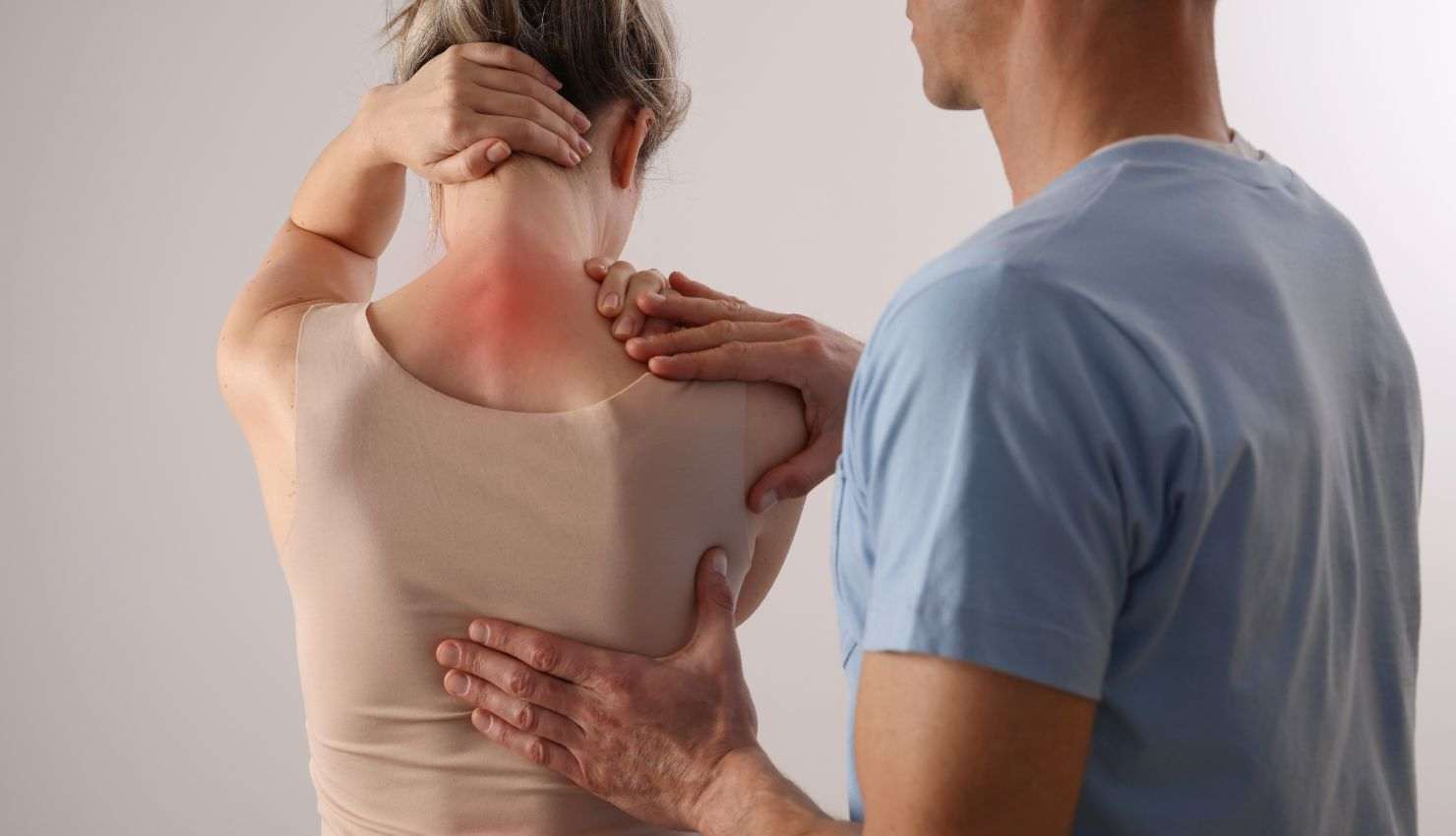
Athletes are constantly pushing their bodies to the limitwhether it’s on the track, field, court, or in the gym. But optimal performance isnt just about strength or speed; its about movement efficiency. Thats where gait analysis becomes a powerful tool. By evaluating how an athlete walks or runs, gait analysis helps identify inefficiencies, correct biomechanical flaws, and prevent injuries. It also plays a vital role in optimizing movement, reducing fatigue, and enhancing overall performance.
The Connection Between Gait and Athletic Performance
Gait refers to the pattern of movement during walking or running. For athletes, even small inefficiencies in gait mechanics can impact speed, agility, and power output. Suboptimal foot strikes, pelvic tilt, or joint misalignment may not cause immediate problemsbut over time, they increase the risk of injury and reduce athletic potential.
An athlete with a functional gait can perform with less energy expenditure, maintain better balance, and recover faster. Thats why gait analysis is increasingly being used by sports physiotherapists and performance coaches to elevate training outcomes.
What Gait Analysis Measures
Gait analysis is a detailed assessment of how the body moves during walking or running. It looks at:
Step length and cadence
Foot strike pattern (heel, midfoot, or forefoot)
Pronation or supination tendencies
Ground contact time and pressure points
Joint motion and limb symmetry
Pelvic rotation and postural alignment
Advanced motion-capture systems, pressure mats, and slow-motion video allow physiotherapists to collect precise data and identify areas that require correction.
How Gait Analysis Improves Athletic Performance
1. Enhances Biomechanical Efficiency
Gait analysis pinpoints inefficient movement patterns, such as overstriding, lateral sway, or imbalanced force distribution. These issues cause energy waste. By correcting them, athletes can move more smoothly and efficiently, conserving energy for longer training sessions and improved endurance.
2. Improves Stride and Footwork
For runners, sprinters, and field athletes, foot placement and stride mechanics directly impact speed and stability. Gait analysis helps fine-tune stride length, rhythm, and foot strike to maximize propulsion and minimize deceleration.
3. Promotes Optimal Alignment
Misalignments in the hips, knees, and ankles often go unnoticed until they cause injury. Gait analysis reveals alignment issues early, allowing for targeted interventions like custom orthotics or strength training to realign the body for better performance.
4. Supports Sport-Specific Movement Patterns
Each sport has its unique movement demands. A basketball players gait differs from that of a long-distance runner or soccer player. Gait analysis can be customized to evaluate sport-specific mechanics, helping athletes meet the demands of their discipline more effectively.
Injury Prevention Through Gait Analysis
Athletes are particularly vulnerable to overuse injuries like shin splints, plantar fasciitis, Achilles tendinitis, IT band syndrome, and stress fractures. Many of these injuries stem from repetitive strain caused by poor movement mechanics.
Gait analysis helps prevent injuries by:
Detecting overpronation or underpronation
Identifying asymmetrical loading on joints
Uncovering abnormal pressure distribution
Highlighting joint or muscle imbalances
Recommending corrective strategies before damage occurs
Early detection and correction through gait analysis reduce the likelihood of injury and support faster recovery from existing problems.
Customized Corrective Strategies
Based on gait findings, a personalized plan is developed to correct movement and reduce injury risk. This may include:
Custom orthotics to improve foot alignment and load distribution
Stretching and mobility exercises to increase joint flexibility
Targeted strength training to address muscular imbalances
Form drills to reinforce proper technique
Footwear recommendations based on pressure mapping
These interventions are tailored to the athletes body and sport, ensuring the best results with minimal disruption to training.
Real Results for Athletes of All Levels
Gait analysis benefits athletes at all performance levelsfrom weekend warriors to professionals. Whether youre preparing for a marathon, managing a recurring injury, or trying to shave seconds off your sprint time, gait analysis offers clear, actionable feedback.
Athletes who undergo gait analysis often report:
Improved running form and speed
Less muscle fatigue during workouts
Fewer injuries and faster recovery
Increased agility and responsiveness
More confidence in movement
By building better mechanics, gait analysis not only prevents injuryit lays the groundwork for peak performance.
When Should an Athlete Get a Gait Analysis?
Gait analysis is recommended for athletes who:
Experience chronic or recurring injuries
Feel off-balance or uneven while running
Are starting a new sport or training regimen
Have recently recovered from injury or surgery
Want to improve performance and efficiency
Notice unusual wear patterns on their footwear
Even in the absence of pain, gait analysis can identify small inefficiencies that limit potential.
Building a Stronger Foundation with Every Step
At YFS, we believe that performance starts from the ground up. Gait analysis offers athletes a smarter, more scientific approach to understanding and improving how they move. Whether you’re trying to reduce injury risk or reach the next level in your sport, it all begins with your stride.
When your gait is aligned with your goals, every step takes you closer to optimal performance.