How Gait Analysis Helps Improve Mobility in Seniors explores targeted strategies for recovery. Discover new paths to mobility, healing, and personalized care.

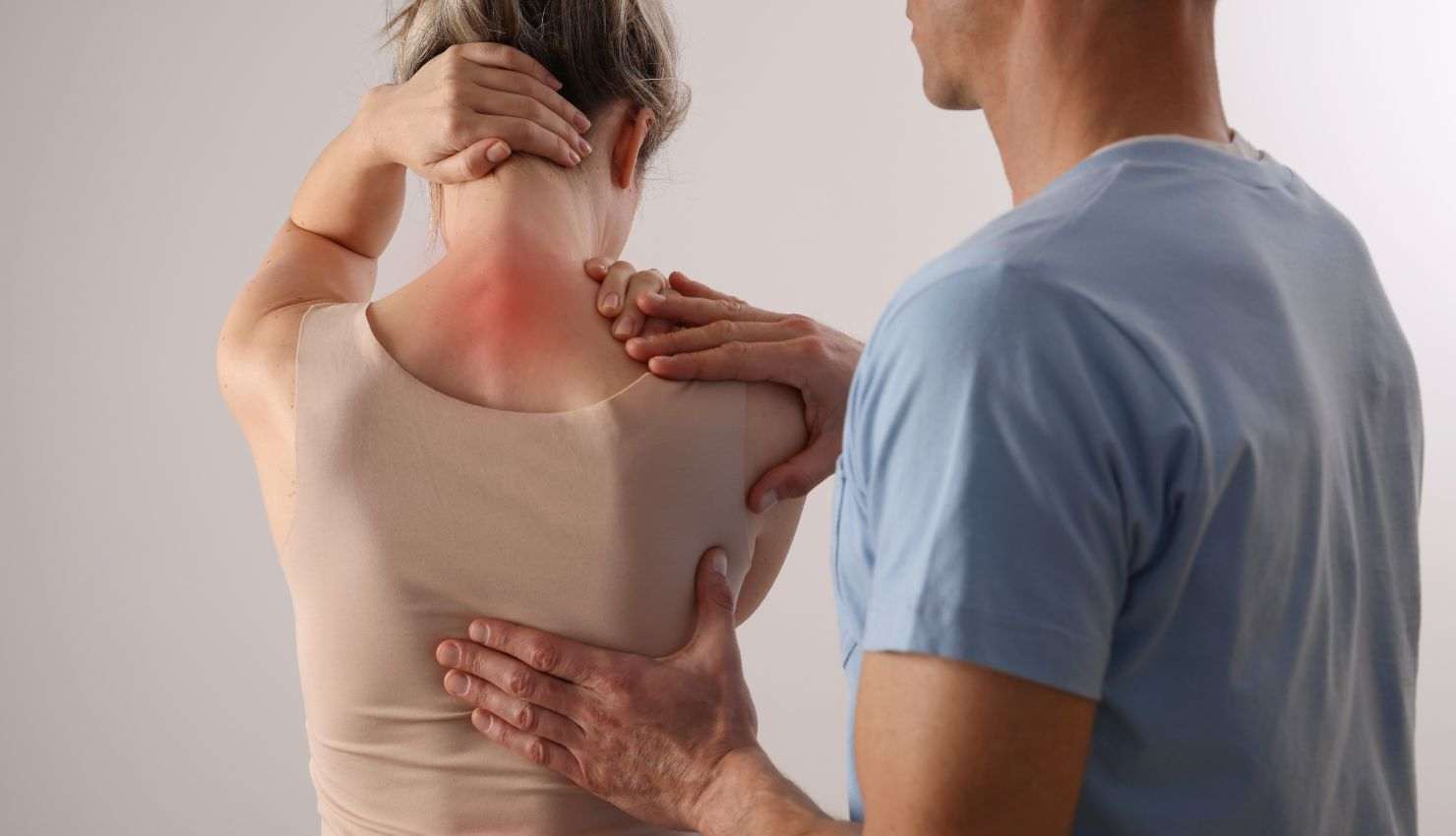
As people age, maintaining mobility becomes one of the most important aspects of preserving independence and quality of life. However, many older adults experience changes in posture, balance, and walking patterns that put them at risk of falls and functional decline. These changes often happen gradually, making them difficult to detect earlyunless a detailed evaluation is performed. Thats where gait analysis plays a vital role.
At Your Form Sux (YFS), gait analysis is one of the most effective tools we use to help seniors walk safely, move confidently, and stay active. By identifying abnormalities in walking mechanics, we can correct inefficiencies, prevent injury, and support long-term mobility in older adults.
The Connection Between Aging and Gait Changes
Aging naturally affects several components of mobility:
Muscle loss (sarcopenia) leads to reduced leg strength
Joint stiffness in the hips, knees, and ankles limits range of motion
Balance impairments due to vestibular or sensory decline
Postural changes such as forward-leaning or rounded shoulders
Foot pain or deformities that alter stride
Together, these factors contribute to changes in how a person walks. Seniors may develop shorter steps, wider stances, slower walking speeds, or foot dragall of which increase the risk of falls and reduce physical confidence.
What Is Gait Analysis and How Does It Work?
Gait analysis is a detailed assessment of a persons walking pattern. At YFS, our physiotherapists use both observational techniques and advanced technology to examine how the legs, feet, hips, and spine move in coordination. We assess various components of the gait cycle, including:
Step length and timing
Symmetry between the left and right side
Heel contact and toe-off
Hip and knee flexion
Postural alignment during walking
This in-depth evaluation helps us pinpoint subtle dysfunctions that may otherwise go unnoticed during standard mobility tests.
Early Detection of Movement Problems
One of the greatest advantages of gait analysis for seniors is the ability to detect early signs of mobility issuesbefore they lead to falls or injury. Even small deviations in stride or posture can be indicative of larger musculoskeletal or neurological concerns.
For example, if we notice uneven step lengths or foot drag, it might point to hip weakness or nerve involvement. Similarly, reduced arm swing or rigid posture can signal balance loss or early Parkinsons-related changes. Identifying these problems early allows us to intervene with targeted therapy and prevent further deterioration.
Personalized Mobility Plans for Seniors
Once gait analysis reveals specific issues, the team at YFS develops a personalized plan to improve walking function. This plan may include:
Balance training to reduce fall risk and strengthen stabilizing muscles
Strength and endurance exercises to improve leg power and walking speed
Manual therapy to increase joint mobility in the hips, knees, or ankles
Postural correction to realign the spine and improve center of gravity
Custom orthotics to support the feet and correct biomechanical issues
All of these interventions are tailored to the individuals needs, physical capacity, and goalswhether thats walking without assistance, returning to recreational activities, or simply moving without fear of falling.
Improving Confidence and Reducing Fall Risk
Fear of falling is a major concern for many older adultsand its not unfounded. Falls are one of the leading causes of injury and hospitalization among seniors. Fortunately, gait analysis helps mitigate this risk by revealing imbalances and guiding targeted interventions.
By improving stride quality, foot placement, and stability, seniors walk with greater control. This not only improves their physical safety but also boosts psychological confidence, which plays a big role in staying active and socially engaged.
How Custom Orthotics Enhance Mobility
Many seniors experience foot-related issues such as bunions, arthritis, collapsed arches, or metatarsalgia that affect their gait. Custom orthotics, prescribed as part of a gait correction plan, help redistribute pressure, cushion joints, and provide structural support. These inserts are tailored to each foots anatomy and are especially beneficial when gait issues stem from foot pain or deformity.
Orthotics can also help restore alignment from the ground up, improving knee and hip function and contributing to smoother walking mechanics.
Ongoing Monitoring and Progress
Improving gait is not a one-time fixits a process. At YFS, we monitor our senior clients regularly to ensure continued progress. Gait analysis is repeated at intervals to evaluate changes, adjust the care plan, and celebrate improvements. This ongoing care helps seniors build strength, regain independence, and maintain a higher quality of life for the long term.
Step Into Better Aging with Gait Support
Mobility is the foundation of independence, dignity, and vitality in aging. Gait analysis empowers older adults to take control of their movement, correct harmful patterns, and stay active longer. At YFS, we combine expert assessment with compassionate care to ensure every senior has the tools and support they need to walk confidently and live fully.
Whether youve noticed a recent change in your walking, or simply want to be proactive about your mobility, gait analysis is the first step toward moving better and aging well.