How Gait Analysis Helps Improve Posture and Walking Efficiency for Seniors explores targeted strategies for recovery. Discover new paths to mobility, healing, and personalized care.

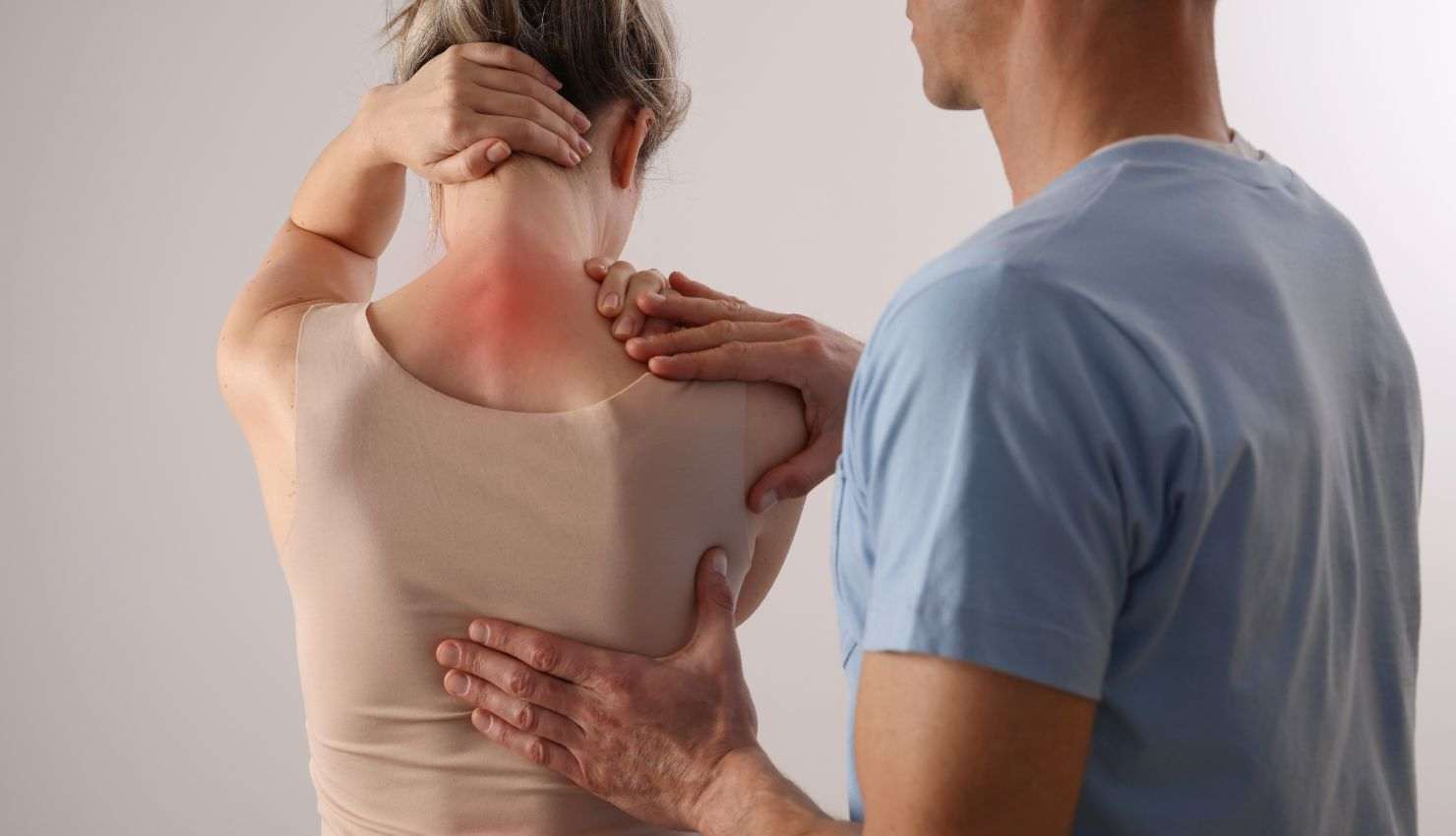
As we age, maintaining good posture and walking efficiency becomes increasingly important for overall health and mobility. Seniors often experience changes in their gait and posture that can affect balance, stability, and their ability to move freely. Gait analysis, a diagnostic tool that studies how a person walks, plays a critical role in identifying walking inefficiencies and postural issues that may arise with age. By identifying and correcting these issues, gait analysis can help seniors improve their posture, reduce pain, and enhance walking efficiency, ultimately leading to better quality of life.
What Is Gait Analysis?
Gait analysis is a comprehensive assessment of how a person walks, focusing on various factors such as stride length, foot placement, weight distribution, joint movement, and overall body alignment. Using specialized tools like pressure-sensitive mats, video recordings, and motion capture technology, gait analysis allows healthcare professionals to observe and measure a person’s walking pattern in great detail. This analysis helps identify irregularities or inefficiencies that may be contributing to posture problems, pain, or other mobility challenges.
The Impact of Gait and Posture on Seniors’ Health
Postural Changes with Aging
As we age, the natural curves of the spine can change, often leading to issues like forward head posture, rounded shoulders, or an excessive curvature in the lower back (lordosis). Poor posture can lead to discomfort and pain in the back, neck, and shoulders, and it may also affect balance and mobility. For seniors, maintaining good posture is crucial for preventing falls and staying active.
Walking Efficiency
As seniors age, their walking patterns can become less efficient, leading to increased fatigue and a greater risk of injury. Walking efficiency is impacted by factors such as foot misalignment, muscle weakness, and changes in gait mechanics. Inefficient walking can lead to unnecessary strain on joints, muscles, and ligaments, making everyday tasks like walking to the store or climbing stairs more difficult. Gait analysis can help identify these inefficiencies and suggest strategies to improve walking form, reducing strain and making movement easier.
Balance and Fall Risk
Poor posture and inefficient walking patterns can contribute to a loss of balance, which increases the risk of falls. Falls are a significant concern for seniors, as they can lead to serious injuries, hospitalizations, and a decline in mobility. By improving posture and gait, seniors can reduce the likelihood of falling and improve their overall stability.
How Gait Analysis Helps Improve Posture
Identifying Postural Abnormalities
Gait analysis allows healthcare professionals to identify postural issues that may not be immediately noticeable. For example, a person may not realize they are leaning forward while walking, which could indicate weak muscles or poor posture. Similarly, gait analysis can detect if a senior is favoring one side of their body or walking with a tilted pelvis, which could lead to imbalanced posture and discomfort.
By detecting these abnormalities early, healthcare providers can recommend exercises and corrective measures, such as physical therapy, stretches, or custom orthotics, to improve posture and reduce strain on the body.
Improving Spine and Pelvic Alignment
The alignment of the spine and pelvis is critical for maintaining good posture. Gait analysis helps identify issues such as pelvic tilt or spinal misalignment, which can lead to pain and discomfort. By correcting these issues through gait-specific interventions like physical therapy or postural training, seniors can achieve better spinal alignment, which reduces pressure on the lower back and improves overall posture.
Encouraging Proper Body Mechanics
Gait analysis helps seniors understand how their body moves during walking and whether they are engaging the correct muscles for a proper walking pattern. For example, many seniors may subconsciously overuse certain muscles, such as the hip flexors or lower back, to compensate for weak muscles. Gait analysis identifies these compensation patterns and provides strategies to engage the right muscles during walking, which improves posture and overall body alignment.
How Gait Analysis Improves Walking Efficiency
Identifying Stride and Step Length Issues
One of the key components of walking efficiency is stride length, or how far the legs extend with each step. Seniors often experience shorter strides due to muscle weakness, joint stiffness, or poor posture. This can make walking more effortful and tiring. Gait analysis helps measure stride length and step frequency, identifying any inefficiencies. Once these issues are identified, physical therapists or healthcare providers can recommend exercises or stretches to improve stride length, making walking smoother and less strenuous.
Correcting Foot Placement and Alignment
Foot placement plays a significant role in walking efficiency. Misalignments such as overpronation (inward rolling of the feet) or supination (outward rolling of the feet) can affect how weight is distributed and increase the risk of joint pain. Gait analysis helps detect these misalignments and allows for the use of custom orthotics, which correct foot placement and improve overall walking mechanics. Correcting foot alignment ensures that seniors move more efficiently, reducing unnecessary strain on their knees, hips, and lower back.
Strengthening Muscles for Better Walking Form
Gait analysis can also reveal weaknesses in certain muscle groups that may be affecting walking efficiency. For example, seniors with weak hip muscles may have difficulty lifting their feet properly, leading to a shuffling gait. By identifying these weaknesses, gait analysis can guide therapists in designing targeted strengthening exercises that improve walking form and efficiency. Strengthening key muscle groups, such as the calves, quadriceps, and glutes, helps seniors walk with more ease and reduces fatigue.
Improving Coordination and Balance
Gait analysis helps assess coordination between the upper and lower body during walking. Poor coordination can lead to inefficient movement patterns, which may increase the risk of tripping or falling. Gait analysis can identify issues like asymmetry in movement or uncoordinated limb swings, and healthcare providers can offer exercises or balance training programs to improve coordination and stability. Improving coordination not only enhances walking efficiency but also boosts overall balance, making it easier for seniors to navigate different environments safely.
The Benefits of Improved Posture and Walking Efficiency for Seniors
Reduced Pain and Discomfort
By improving posture and walking efficiency, seniors can reduce the strain placed on joints, muscles, and ligaments. Proper alignment and efficient movement patterns help alleviate pain in the back, knees, hips, and feet, making it easier for seniors to stay active and comfortable throughout the day.
Enhanced Mobility and Independence
Improved posture and walking efficiency contribute to better mobility, which is essential for maintaining independence as we age. Seniors who walk more efficiently are better able to perform everyday tasks like walking to the store, climbing stairs, or going for a walk in the park. This increased mobility helps seniors stay active and engaged, promoting better health and well-being.
Lower Risk of Falls
By correcting postural imbalances and improving walking efficiency, gait analysis reduces the risk of falls. Better posture helps maintain a stable center of gravity, and more efficient walking reduces the likelihood of tripping or losing balance. This is particularly important for seniors, who are at a higher risk of falls and the associated injuries.
Improved Quality of Life
When seniors experience less pain and move more efficiently, their overall quality of life improves. They are more likely to remain active, engage in social activities, and enjoy a higher level of independence. Improved posture and walking efficiency help seniors feel better physically and mentally, allowing them to continue enjoying life to the fullest.
Conclusion
Gait analysis is an invaluable tool for seniors looking to improve their posture, walking efficiency, and overall mobility. By identifying and correcting walking inefficiencies and postural abnormalities, gait analysis helps seniors reduce pain, improve balance, and lower the risk of falls. Whether youre dealing with chronic pain, balance issues, or simply want to maintain your independence as you age, gait analysis offers valuable insights and solutions. If youre a senior looking to enhance your posture and walking efficiency, consider consulting with a healthcare provider to explore the benefits of gait analysis and take the first step toward a healthier, more active lifestyle.