How Gait Analysis Helps in Detecting and Correcting Postural Issues explores targeted strategies for recovery. Discover new paths to mobility, healing, and personalized care.

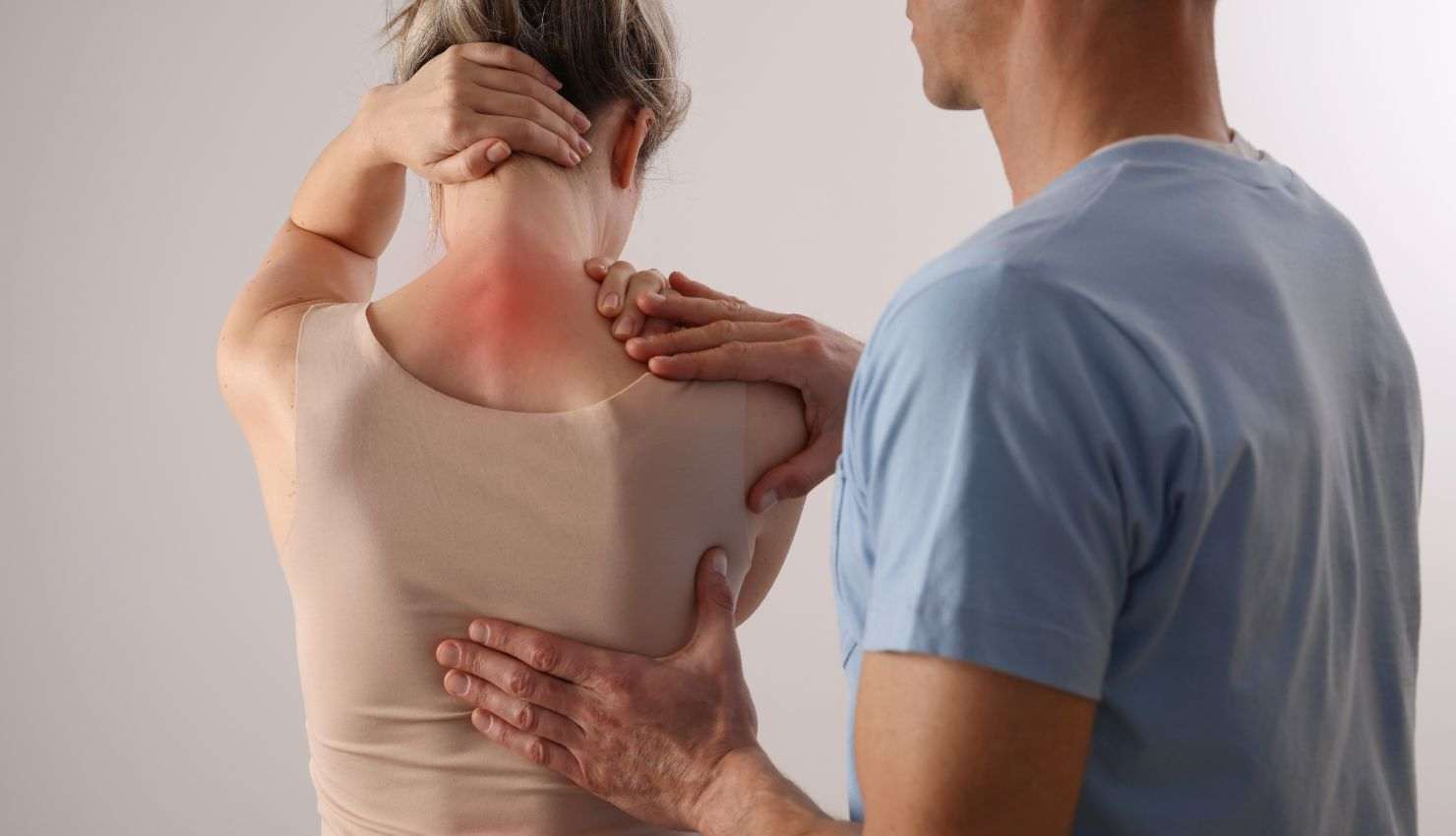
Posture plays a crucial role in our daily lives. Whether standing, walking, or sitting, maintaining proper posture can reduce the risk of injury, alleviate pain, and improve overall physical health. Yet, many people unknowingly develop poor posture habits over time, leading to musculoskeletal problems such as back pain, neck strain, and joint discomfort. One of the most effective ways to detect and address these issues is through gait analysis.
What is Gait Analysis?
Gait analysis refers to the systematic study of human motion, particularly the way people walk or run. By evaluating the biomechanics of an individuals movement, specialists can detect subtle abnormalities in posture and gait that may contribute to pain or discomfort. This analysis is crucial not only for diagnosing postural problems but also for designing effective interventions, such as custom orthotics, to correct these issues.
The Connection Between Posture and Gait
Your gait and posture are intimately connected. Posture refers to the way you position your body while standing or sitting, while gait pertains to the way you move when walking or running. Both are influenced by various factors, including muscle strength, joint mobility, and even your footwear. When gait is altered, it can lead to improper posture, which, over time, can result in chronic pain or injury.
For example, an abnormal gait, such as pronation (excessive inward rolling of the foot), can cause misalignment in the spine, hips, and knees. This misalignment may lead to back pain, joint discomfort, and muscle strain. Gait analysis helps pinpoint these abnormalities, allowing for corrective measures to be taken before the issue exacerbates.
How Gait Analysis Detects Postural Issues
Gait analysis is typically performed using advanced technology such as motion capture systems, force plates, or pressure mapping devices. These tools capture detailed data on your bodys movements and forces while walking or running. A trained specialist can then review this data to identify potential issues related to:
Foot Alignment: Gait analysis can detect whether your feet are rolling excessively inward or outward, which can lead to postural imbalances and affect your spine alignment.
Knee Tracking: Misalignment in the knees, such as valgus (knock knees) or varus (bow legs), can indicate underlying issues in gait and posture.
Pelvic Positioning: The position of your pelvis can significantly impact posture. Gait analysis can reveal any abnormal tilting or rotation of the pelvis during movement.
Spinal Alignment: Abnormalities in gait can lead to poor spinal posture, which may contribute to back pain and other musculoskeletal issues.
By identifying these issues early on, gait analysis allows individuals to take proactive steps in correcting posture before it leads to long-term damage or discomfort.
Correcting Postural Issues Through Gait Analysis
Once postural issues are identified through gait analysis, the next step is to design an appropriate intervention plan. One of the most common corrective tools used is custom orthotics. Custom orthotics are shoe inserts that are tailored to the individuals unique foot structure and gait patterns. By providing support and alignment, custom orthotics can help correct imbalances in the feet, which in turn can improve posture and reduce pain.
For example, if gait analysis shows that an individual is experiencing excessive pronation, custom orthotics can help redistribute weight more evenly across the foot, promoting better alignment of the knees, hips, and spine. Similarly, if a person has a high arch or flat feet, orthotics can provide cushioning and support to alleviate pressure on the joints and spine.
Aside from custom orthotics, other interventions that can result from gait analysis include physical therapy, posture correction exercises, and strength training. These treatments aim to strengthen the muscles that support good posture and address any imbalances or weaknesses identified during the gait analysis.
The Benefits of Early Detection and Intervention
One of the most significant advantages of gait analysis is its ability to detect potential postural issues before they lead to more serious health concerns. By addressing these issues early, individuals can avoid the long-term consequences of poor posture, such as:
Chronic back and neck pain
Joint degeneration and arthritis
Muscle imbalances
Decreased mobility and flexibility
Increased risk of injury during physical activity
Correcting postural issues early on not only improves overall health and comfort but also enhances athletic performance. For athletes, improving posture and gait can lead to better speed, endurance, and technique, ultimately reducing the risk of injury and boosting performance.
Conclusion
Gait analysis is a powerful tool in identifying and correcting postural issues that can cause pain, discomfort, and long-term damage. By understanding the way your body moves, you can take the necessary steps to improve posture, prevent injury, and enhance overall health. Whether you are dealing with chronic pain, sports injuries, or simply want to improve your posture, gait analysis and custom orthotics can provide the necessary support and correction to keep you moving comfortably and confidently.