How Gait Analysis Helps Prevent Future Foot and Ankle Injuries explores targeted strategies for recovery. Discover new paths to mobility, healing, and personalized care.

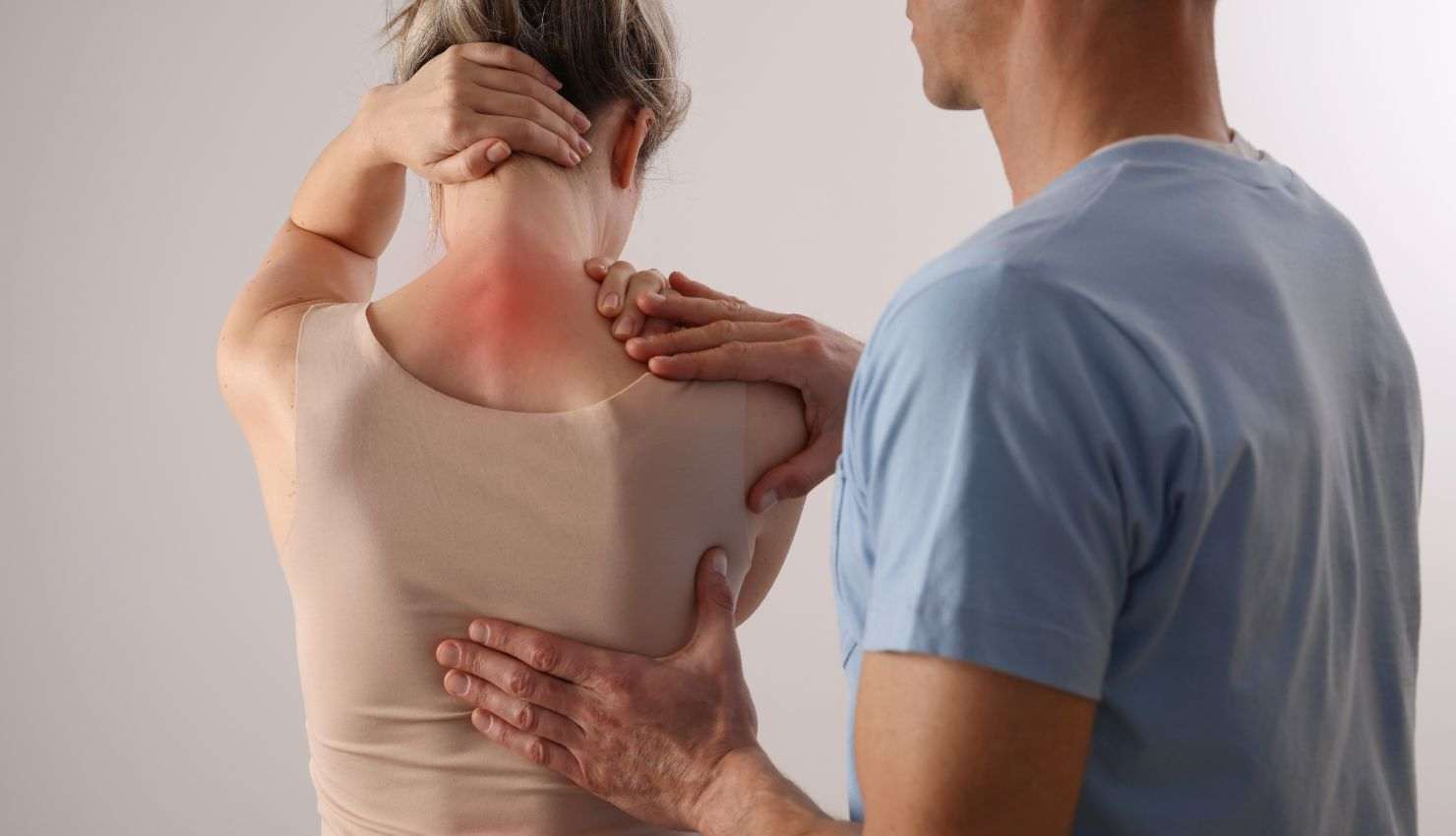
Foot and ankle injuries are among the most common musculoskeletal issues, affecting people across all ages and activity levels. Whether you’re a runner, a busy professional on your feet all day, or simply navigating daily life, these injuries can be painful, recurring, and disruptive. Fortunately, many of them are preventable. Gait analysis offers a powerful way to understand the mechanics behind your movement, identify potential risk factors, and implement personalized strategies that prevent future injuries.
The Cost of Ignoring Subtle Biomechanical Issues
Most people dont realize that small irregularities in how they walk or run can lead to long-term problems. These irregularitiessuch as overpronation (rolling the foot inward) or underpronation (rolling outward)cause stress to build up in the wrong places, increasing the risk of:
Plantar fasciitis
Achilles tendinitis
Shin splints
Stress fractures
Ankle sprains
Bunions and hammertoes
Without intervention, these issues often recur, worsen over time, or affect other parts of the body like the knees and lower back.
What Gait Analysis Reveals
Gait analysis is a comprehensive assessment that evaluates how a person moves while walking or running. This process often includes:
High-speed video capture of foot and leg motion
Pressure mapping to show weight distribution
Observation of joint alignment and timing
Analysis of stride length and cadence
At YFS, physiotherapists use gait analysis to detect abnormalities that would otherwise go unnoticed. This insight allows for early detection of stress points, muscle imbalances, and flawed movement patterns that may lead to future injury.
Turning Insight into Injury Prevention
Once a gait analysis identifies the problem areas, physiotherapists can recommend targeted interventions, such as:
Corrective exercises to strengthen weak muscles
Stretching programs to improve flexibility and reduce tension
Manual therapy to improve joint mobility
Postural training to correct alignment issues
Movement re-education for better stride mechanics
The goal is to optimize your biomechanics so that stress is evenly distributed, muscles work synergistically, and movement becomes smooth and efficientgreatly reducing the likelihood of injury.
Custom Orthotics for Structural Support
In many cases, gait analysis leads to the prescription of custom orthotics. These are not your average store-bought insoles. Custom orthotics are precision-crafted to support your unique foot structure and movement pattern. For injury prevention, they can:
Stabilize the foot and ankle during motion
Absorb shock and reduce impact on joints
Encourage proper alignment from the feet upward
Minimize muscle fatigue during high activity
Whether you’re active or sedentary, orthotics help create a more balanced foundation for everyday movement.
Helping Athletes and Everyday Individuals Alike
Injury prevention isnt just for athletes. Office workers, retail employees, seniors, and even children can benefit from understanding their gait. Some common risk factors gait analysis can identify include:
High arches or flat feet
Uneven weight-bearing
Asymmetrical stride or leg length discrepancy
Improper foot strike patterns
Repetitive stress on specific joints or tendons
These issues, if not addressed, can turn into chronic problems. Gait analysis helps you act before pain sets in.
Tracking Progress and Adapting
Prevention is an ongoing process. At YFS, we dont stop at the first analysis. Periodic gait assessments allow for:
Monitoring the effectiveness of interventions
Adapting orthotics or exercises as the body changes
Preventing new imbalances from developing
Supporting injury-free performance through all stages of life
By proactively managing how your body moves, you maintain long-term mobility and resilience.
Benefits That Extend Beyond the Feet
While the focus is on the foot and ankle, the benefits of injury prevention through gait analysis ripple throughout the body. Improved biomechanics result in:
Better knee and hip alignment
Reduced strain on the spine
Enhanced posture and movement efficiency
Lower risk of compensatory injuries
Many people find that after addressing their foot mechanics, they experience relief in areas they never connected to foot functionlike the lower back or shoulders.
When to Get a Gait Analysis
You dont need to wait until an injury occurs. Consider getting a gait analysis if:
You have a history of foot or ankle injuries
Youre experiencing pain or fatigue while walking or running
Youre beginning a new fitness routine or increasing activity
You notice uneven shoe wear or balance issues
You want to improve your movement efficiency
Early action can mean the difference between months of recovery and years of injury-free movement.
The Smart Step Toward Injury-Free Living
Foot and ankle injuries dont have to be a part of your future. Gait analysis gives you the tools to move smarter, stronger, and more safely. Whether youre training for a marathon or simply want to avoid chronic foot pain, understanding your gait is the foundation of lifelong musculoskeletal health.
At YFS, we combine expert gait assessments with physiotherapy and custom orthotics to create a comprehensive prevention strategy. Take the proactive stepget your gait assessed today and walk confidently into a pain-free future.