How Gait Analysis Helps Treat Running Injuries and Prevent Future Issues explores targeted strategies for recovery. Discover new paths to mobility, healing, and personalized care.

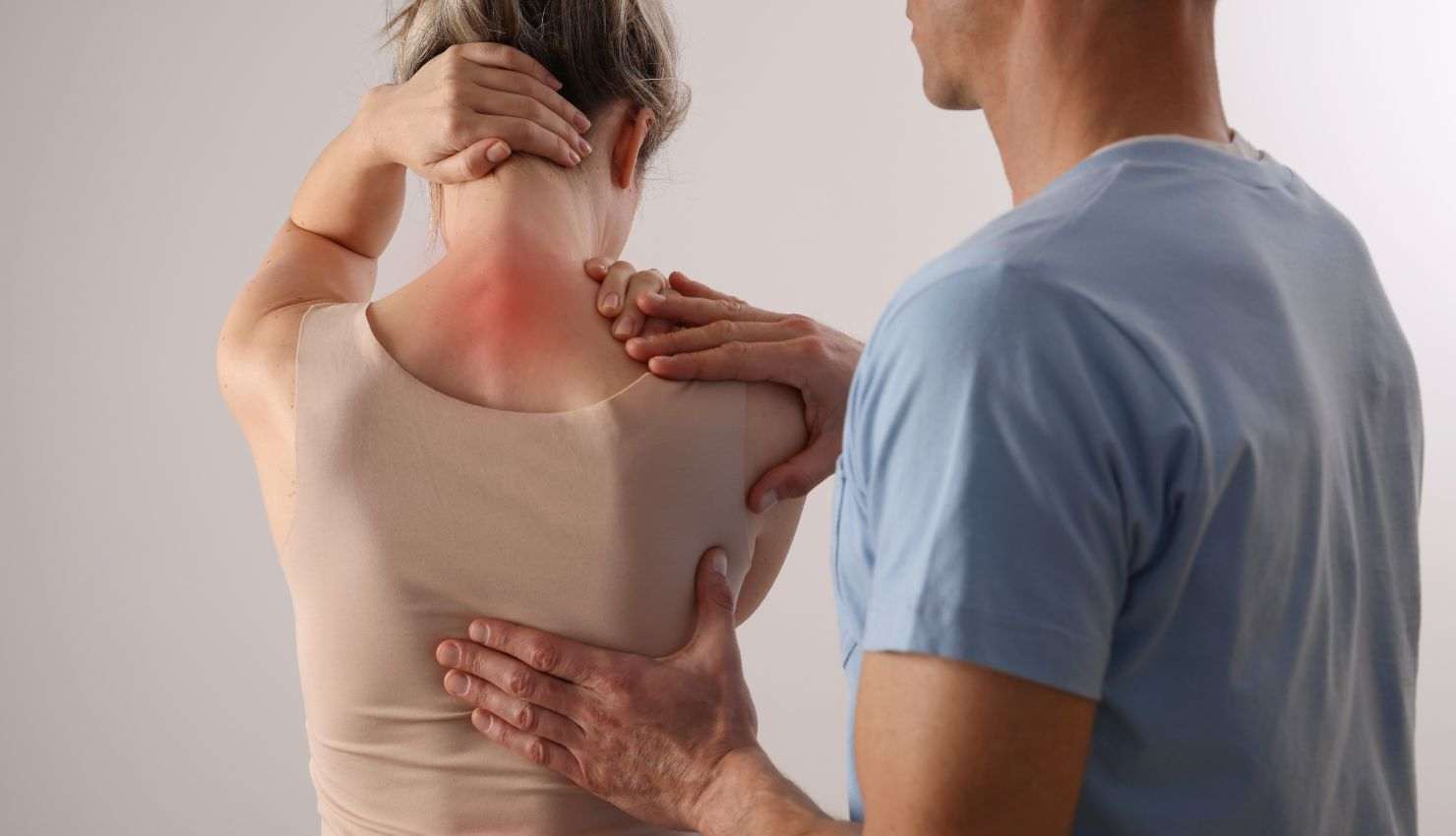
Running is a popular form of exercise that offers many health benefits, but it also places considerable stress on the body. Running injuries such as shin splints, plantar fasciitis, Achilles tendonitis, and stress fractures are common and often result from poor running mechanics. Gait analysis is an invaluable tool in diagnosing the causes of running injuries and developing effective strategies to treat and prevent them, ensuring safer and more enjoyable running experiences.
Why Running Injuries Occur
Running injuries usually develop from repetitive strain and overuse, often exacerbated by:
Abnormal foot motion like overpronation or supination.
Imbalanced muscle strength or flexibility.
Poor running technique or posture.
Inappropriate footwear.
Sudden increases in running volume or intensity.
These factors create excessive stress on muscles, tendons, and bones, leading to pain and injury.
How Gait Analysis Diagnoses Running Injuries
Gait analysis provides a detailed look at how your feet, legs, and body move while running. Using motion capture, pressure sensors, and video assessment, specialists identify:
Faulty foot strike patterns.
Asymmetries between left and right legs.
Excessive pronation or supination.
Inefficient stride length and cadence.
Postural misalignments during running.
Identifying these issues helps pinpoint the root causes of injuries.
Treating Running Injuries with Gait Analysis Insights
Customized Rehabilitation: Therapists develop exercise programs to strengthen weak muscles and improve flexibility.
Corrective Orthotics: Custom orthotics can stabilize the foot and reduce harmful motion.
Technique Modification: Adjusting running form improves efficiency and reduces injury risk.
Footwear Advice: Guidance on selecting appropriate shoes supports healthy biomechanics.
Preventing Future Running Injuries
Gait analysis not only treats current injuries but also helps prevent future problems by:
Detecting early biomechanical issues before symptoms appear.
Guiding training modifications to reduce impact and overuse.
Monitoring running form over time to ensure ongoing efficiency.
Encouraging balanced muscle development and posture.
Who Should Consider Running Gait Analysis?
Runners experiencing recurrent or chronic injuries.
New runners looking to start safely.
Athletes aiming to improve performance and reduce injury risk.
Individuals returning from injury wanting a safe transition back to running.
Gait Analysis at YourFormSux
At YourFormSux in Canada, we specialize in detailed running gait assessments using advanced technology. Our experts provide personalized recommendations, including custom orthotics, training adjustments, and rehabilitation plans to keep you running stronger and pain-free.
Final Thoughts: Run Smarter, Heal Faster, Stay Injury-Free
Running injuries can derail your progress and enjoyment, but gait analysis offers a clear path to recovery and prevention. By understanding and optimizing your running mechanics, you can treat existing injuries effectively and avoid future setbacks. Partner with YourFormSux to take your running health to the next level and enjoy every stride with confidence.